Monday, April 2, 2018

Konica Auto S Rangefinder

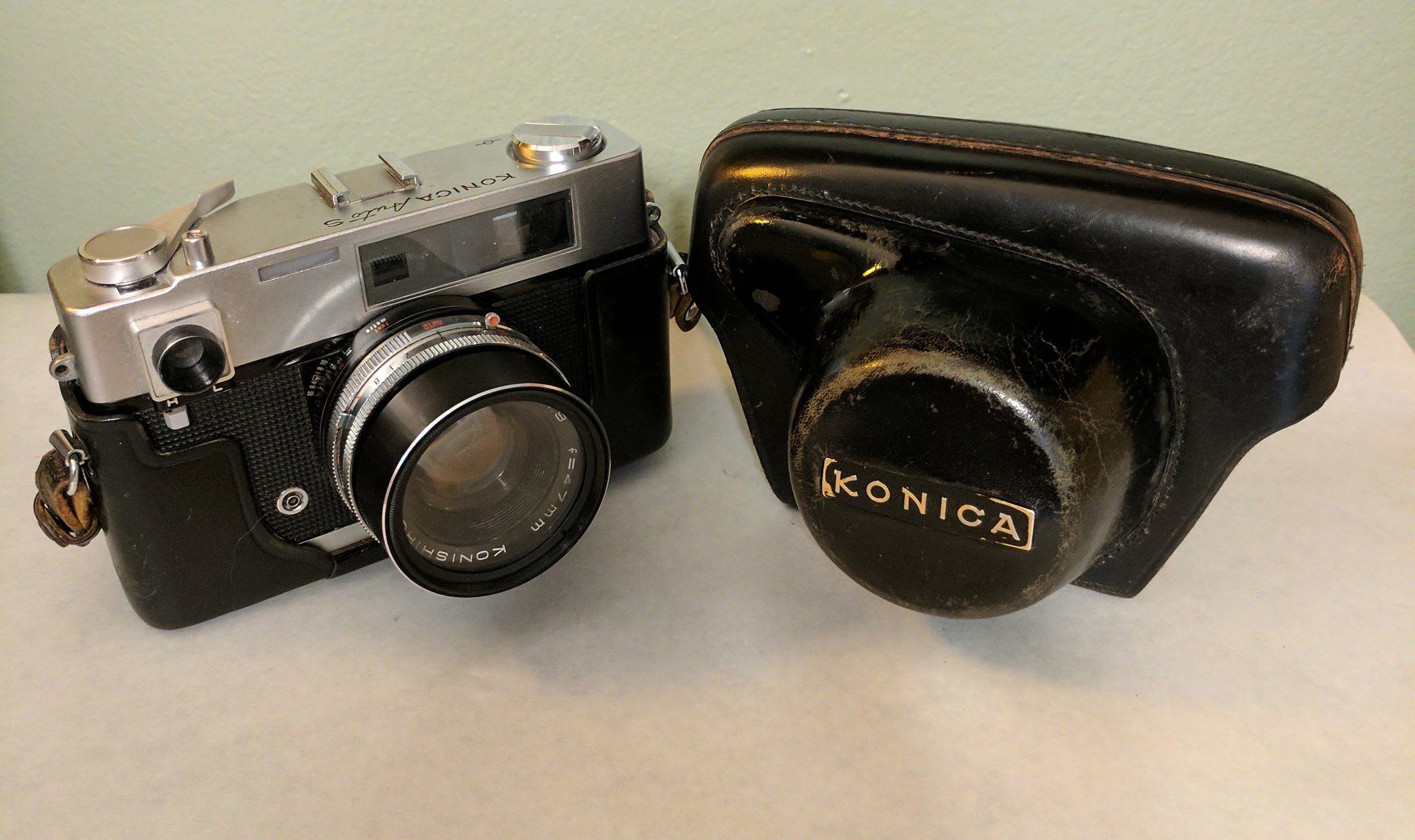
Konica Auto S

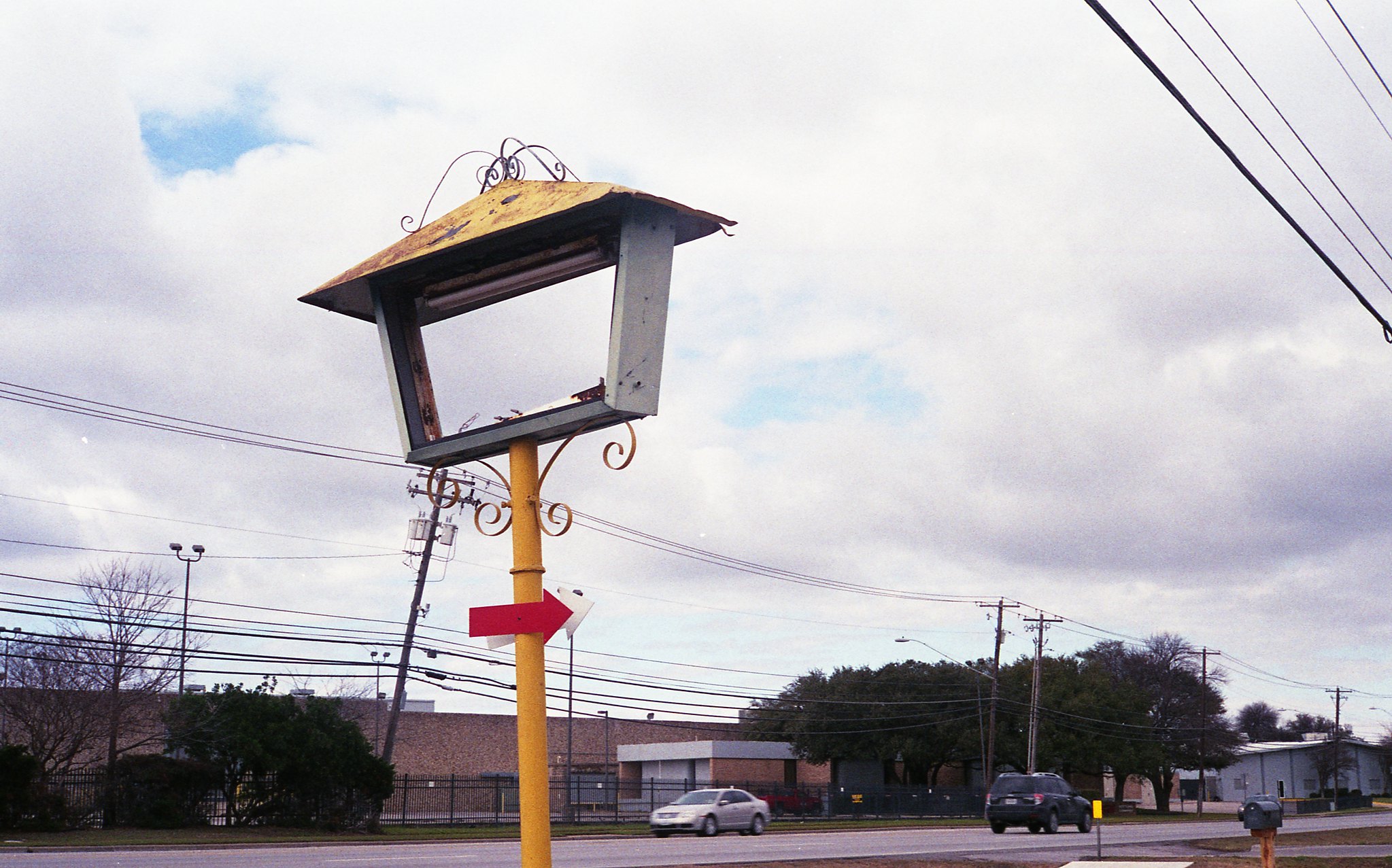
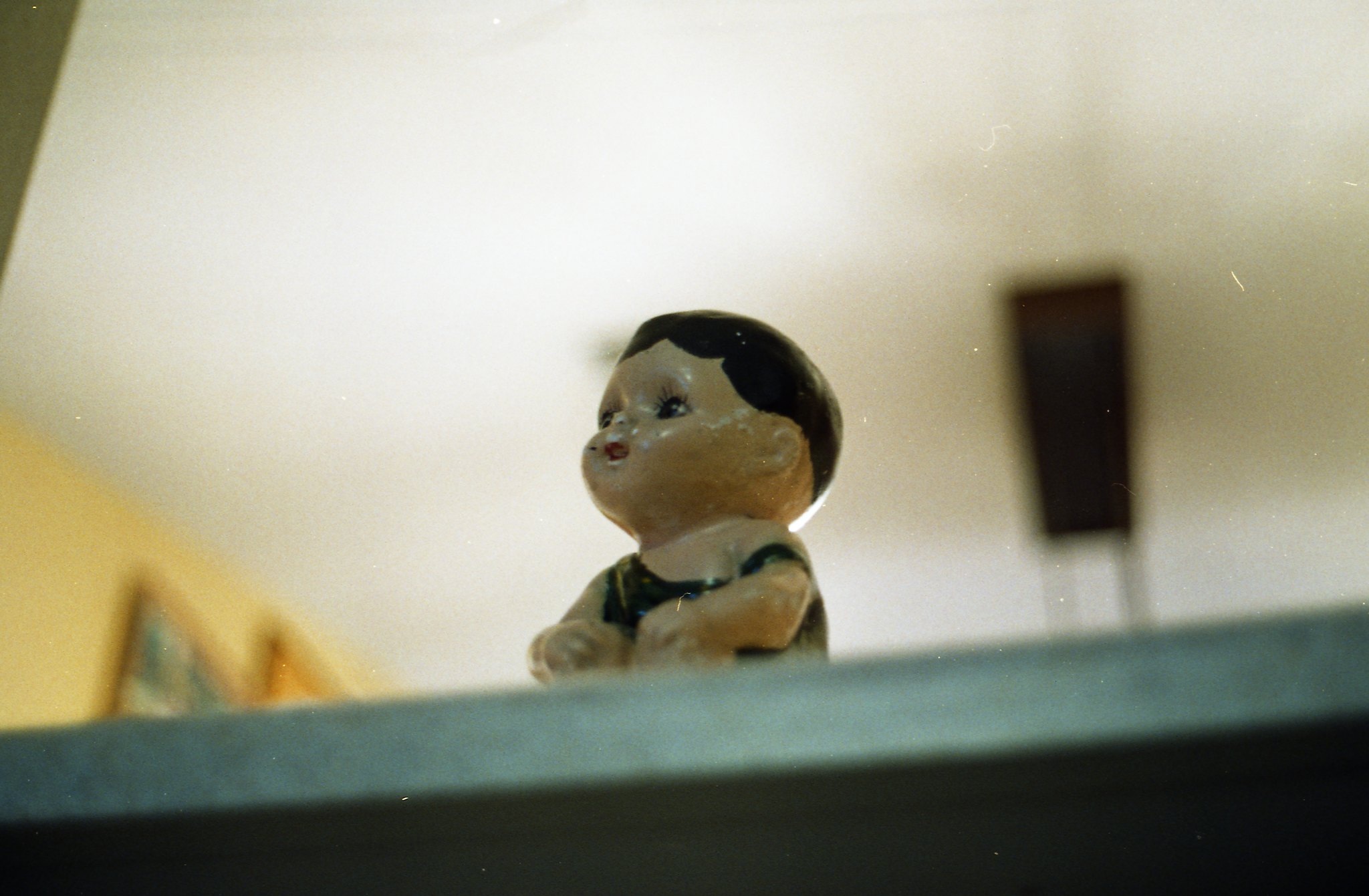
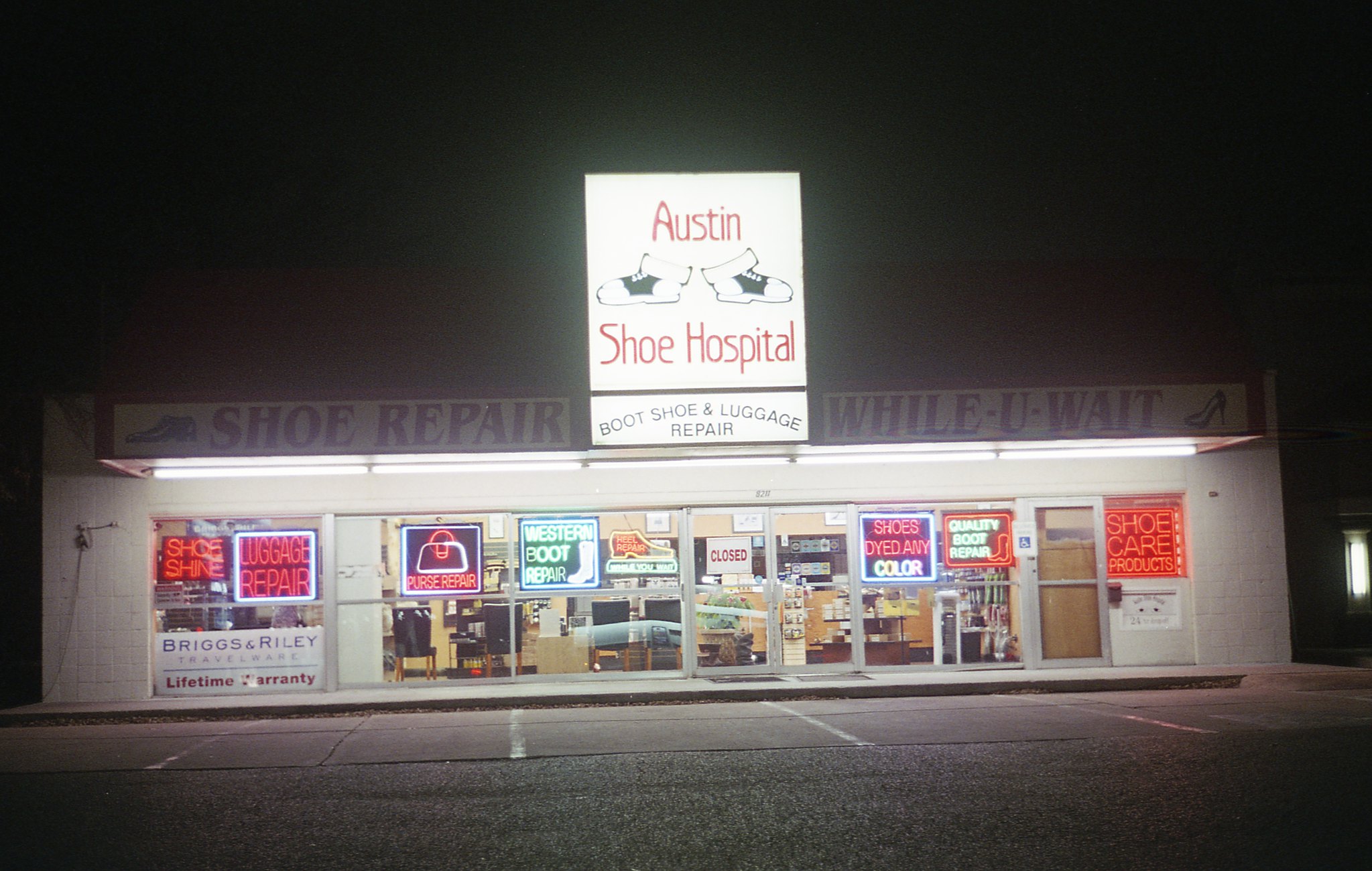
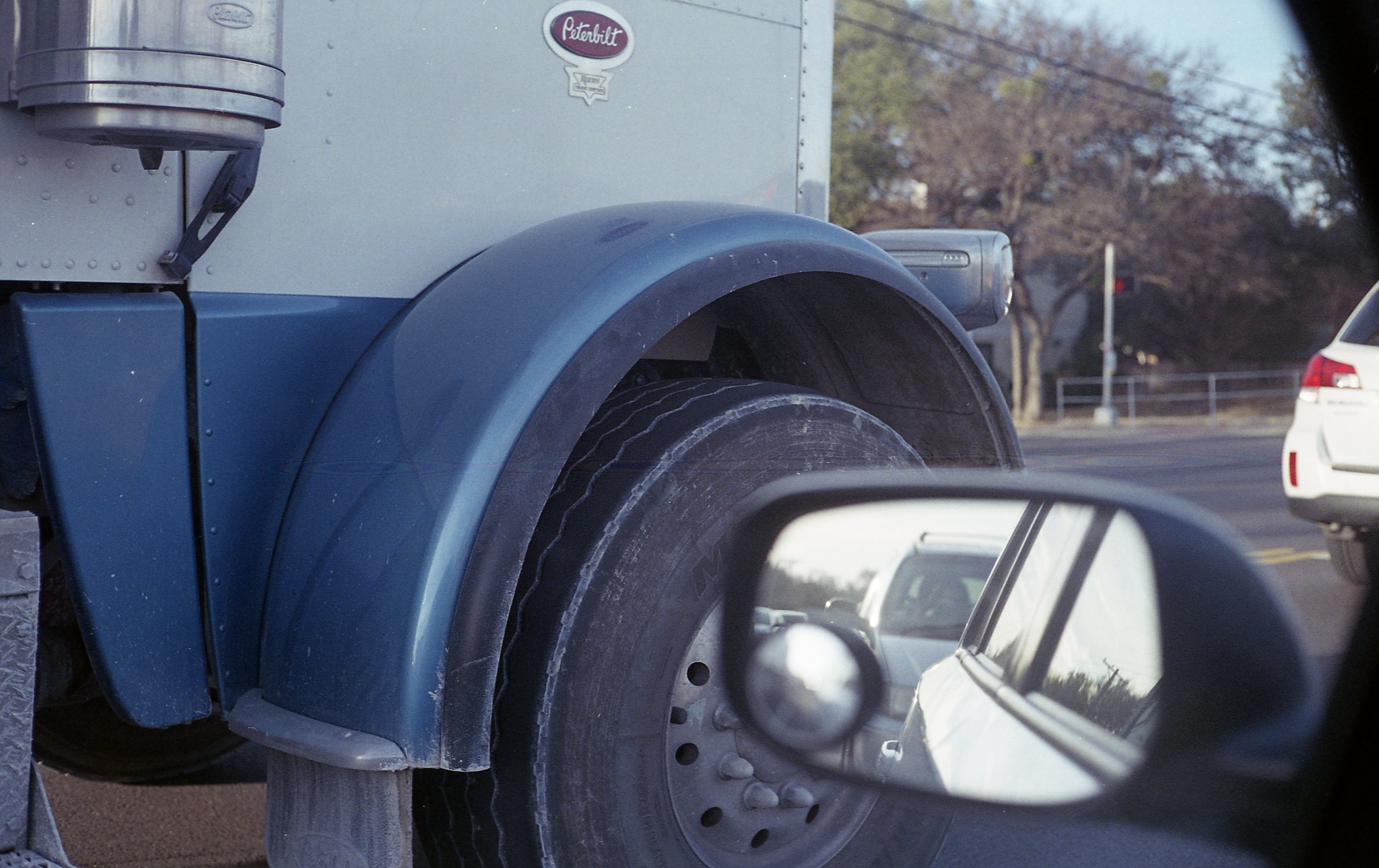
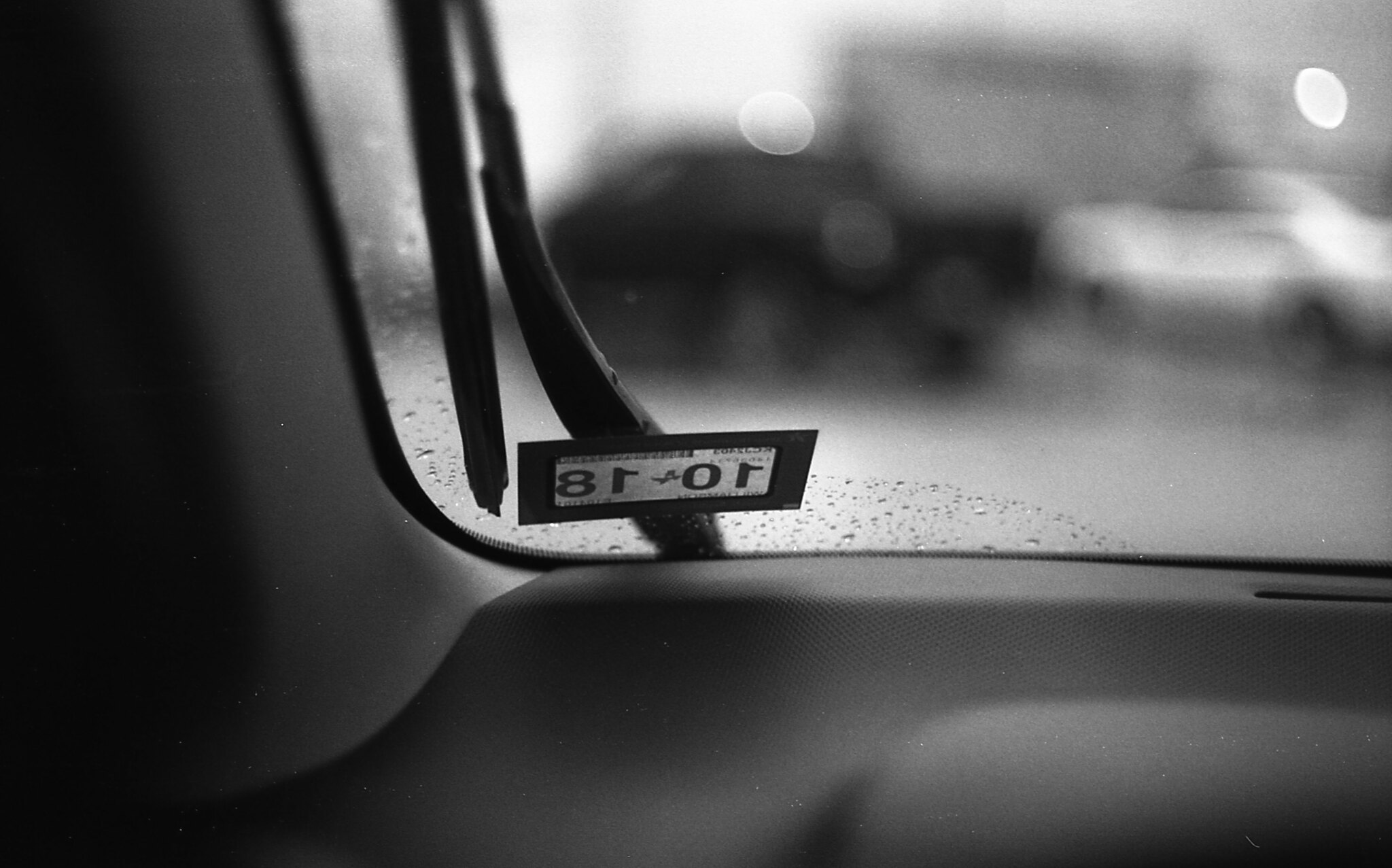
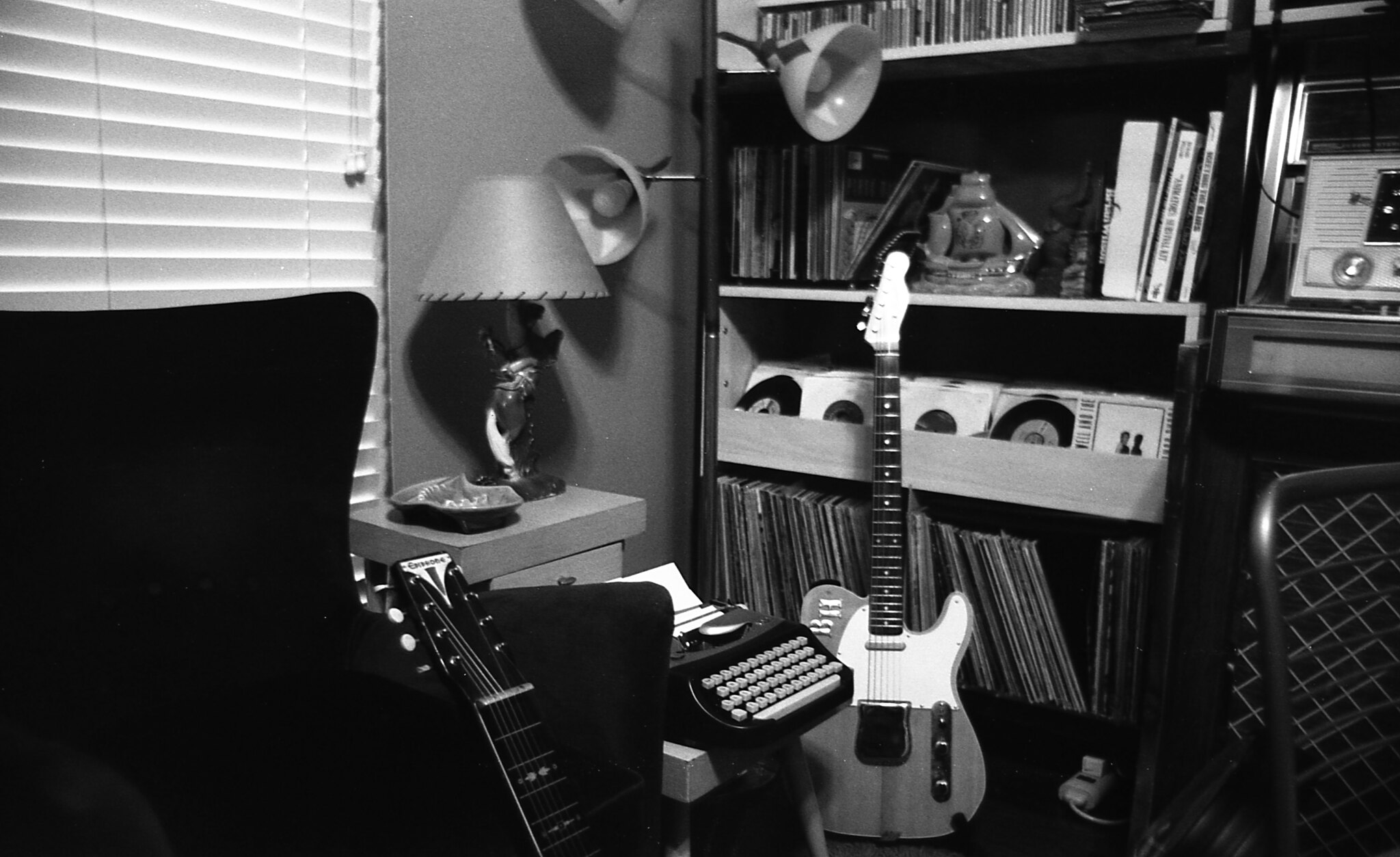
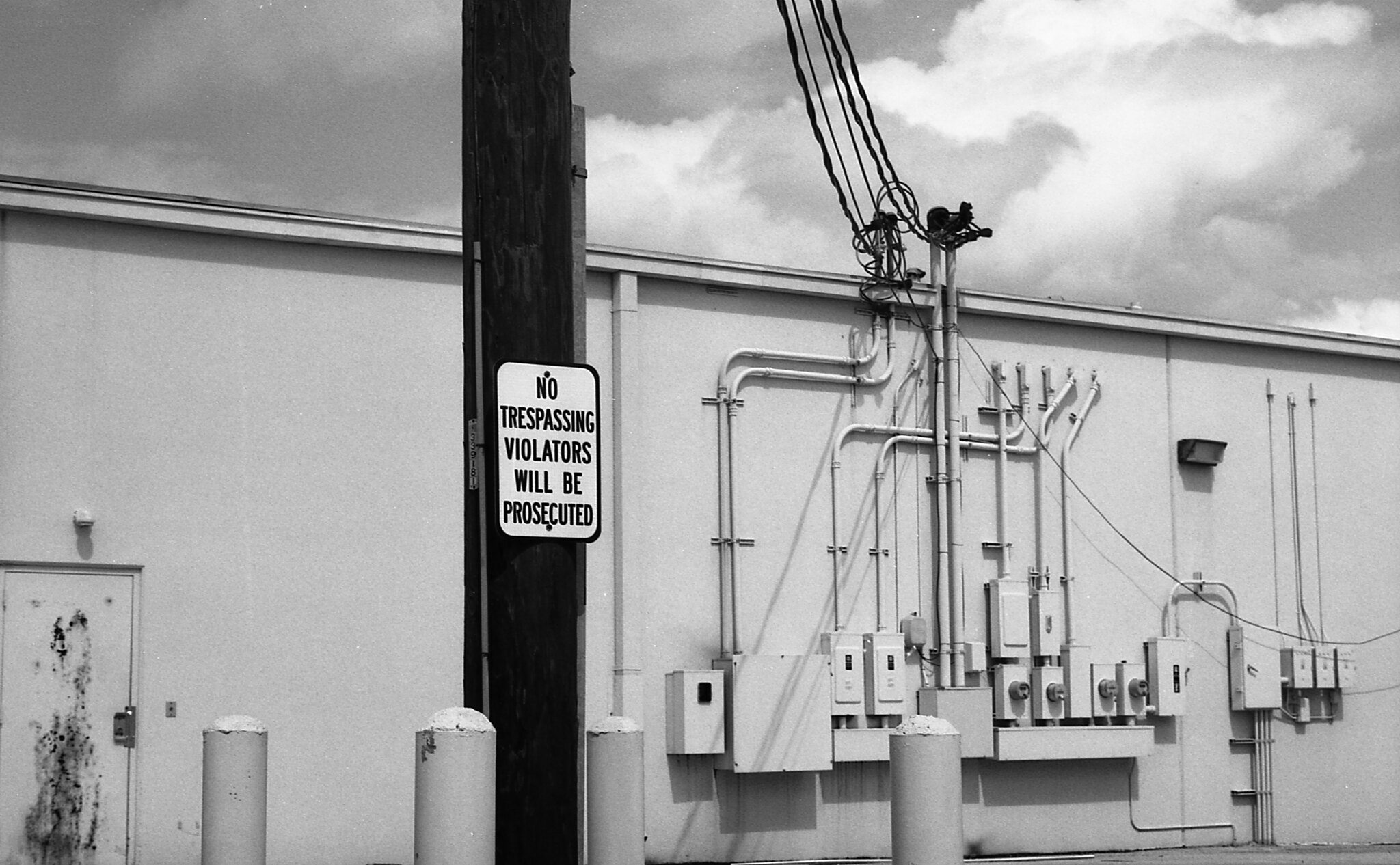
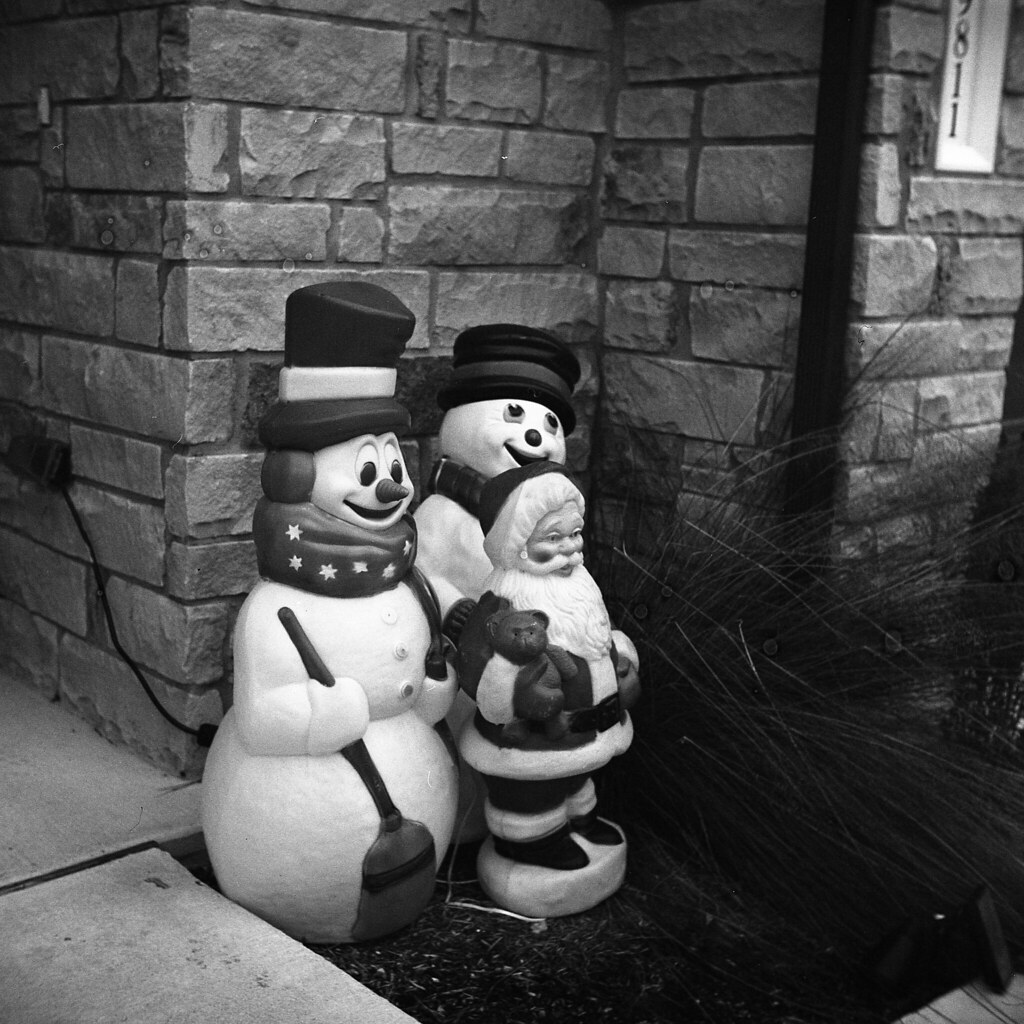
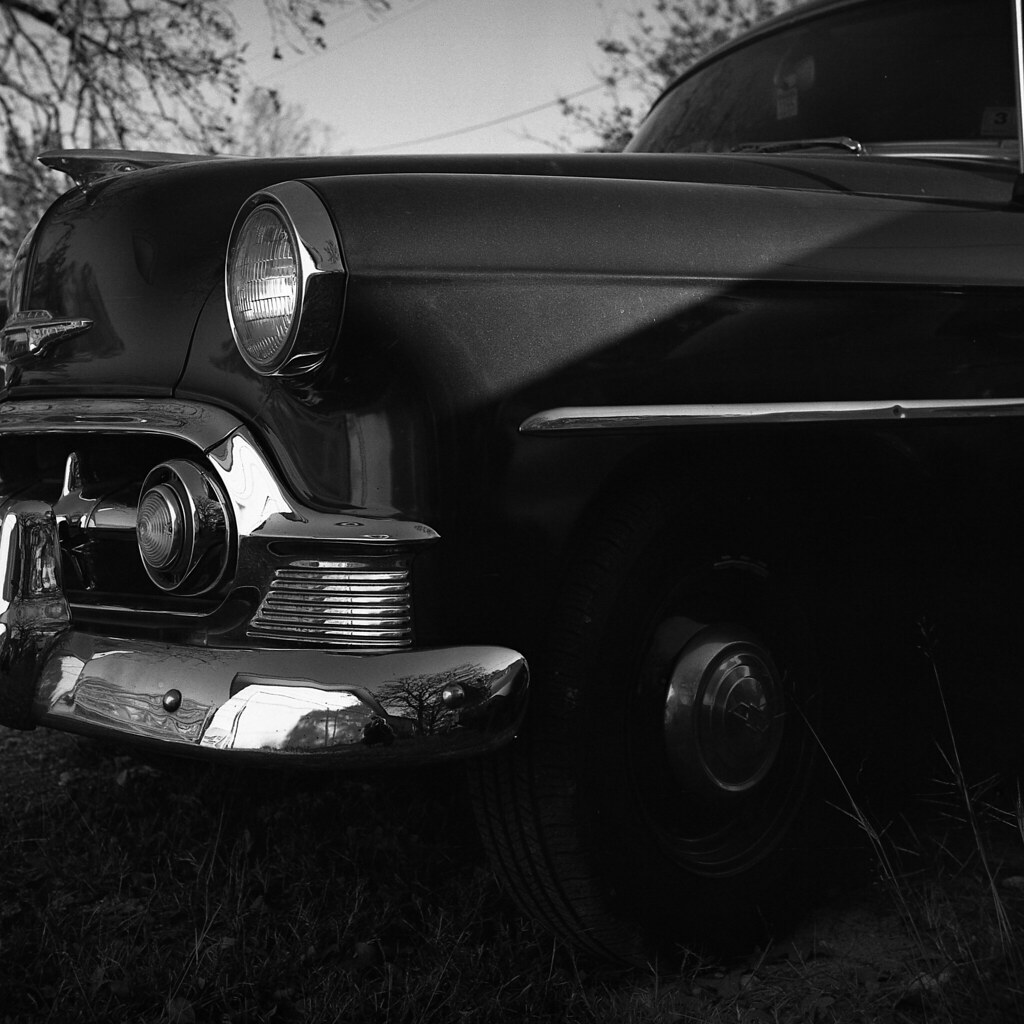
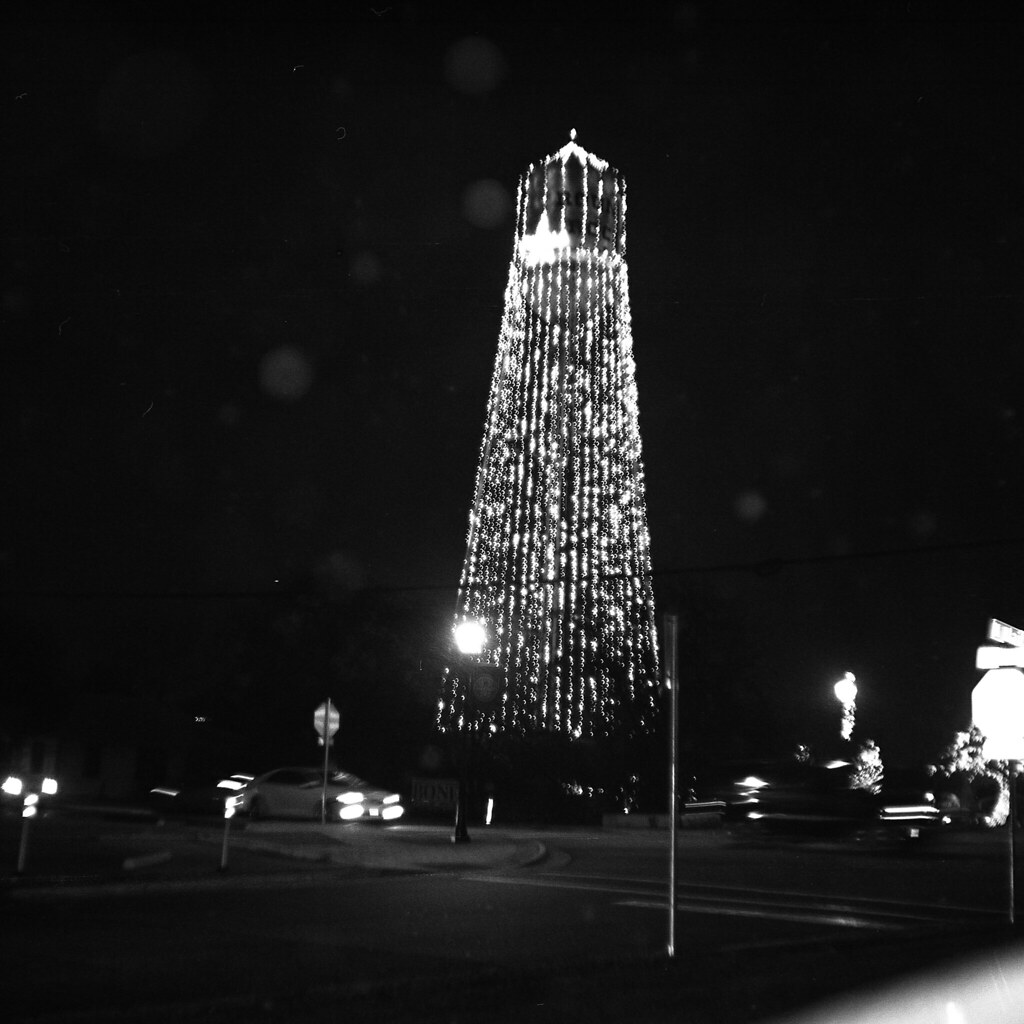
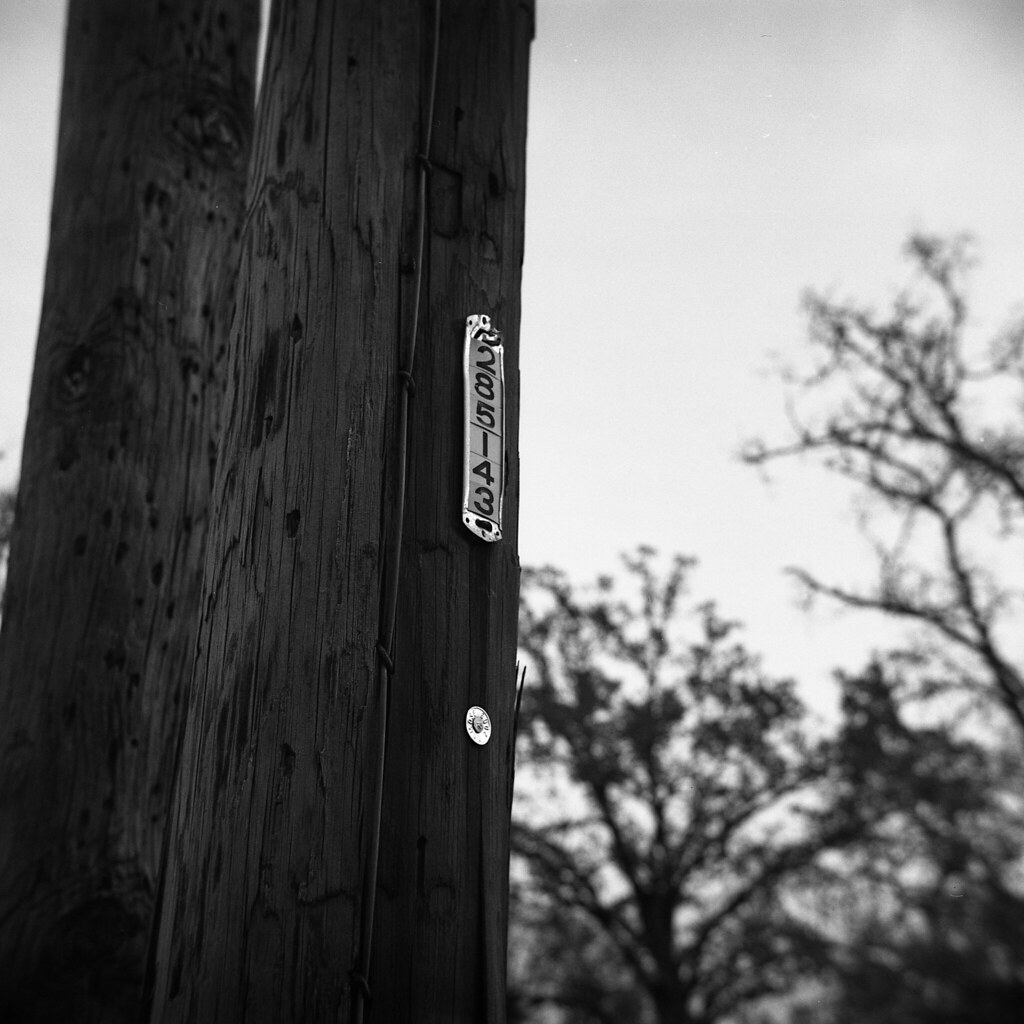
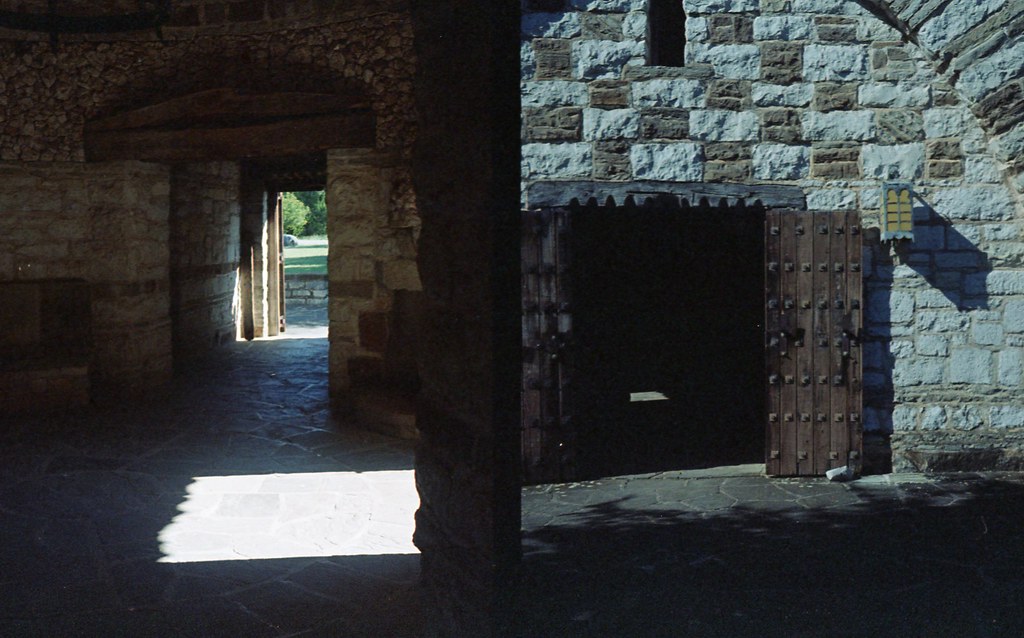
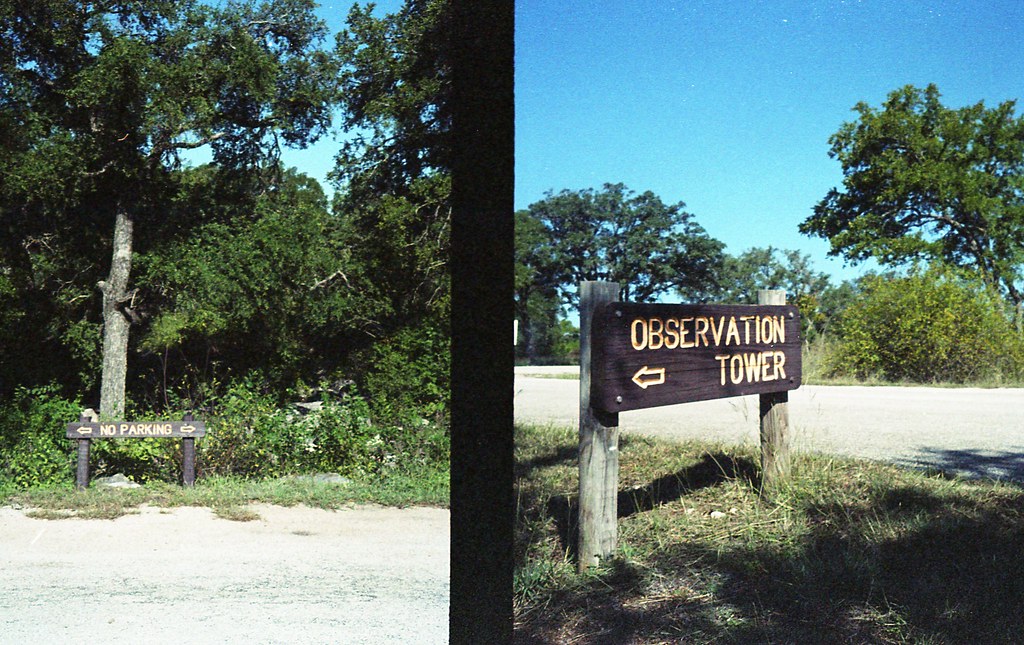
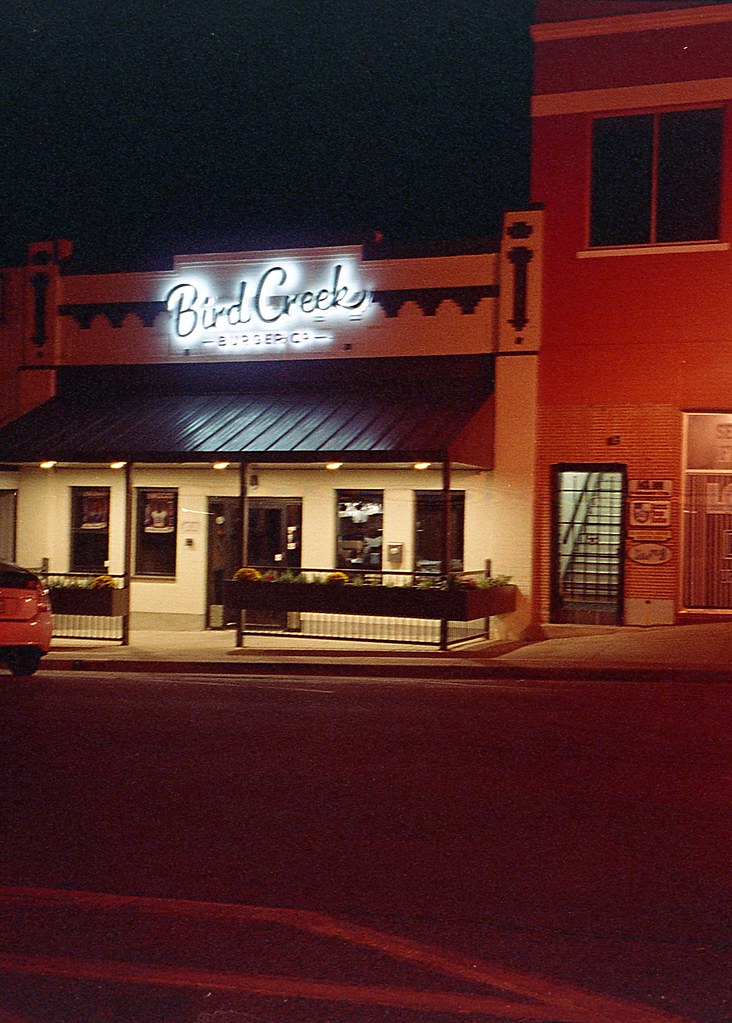
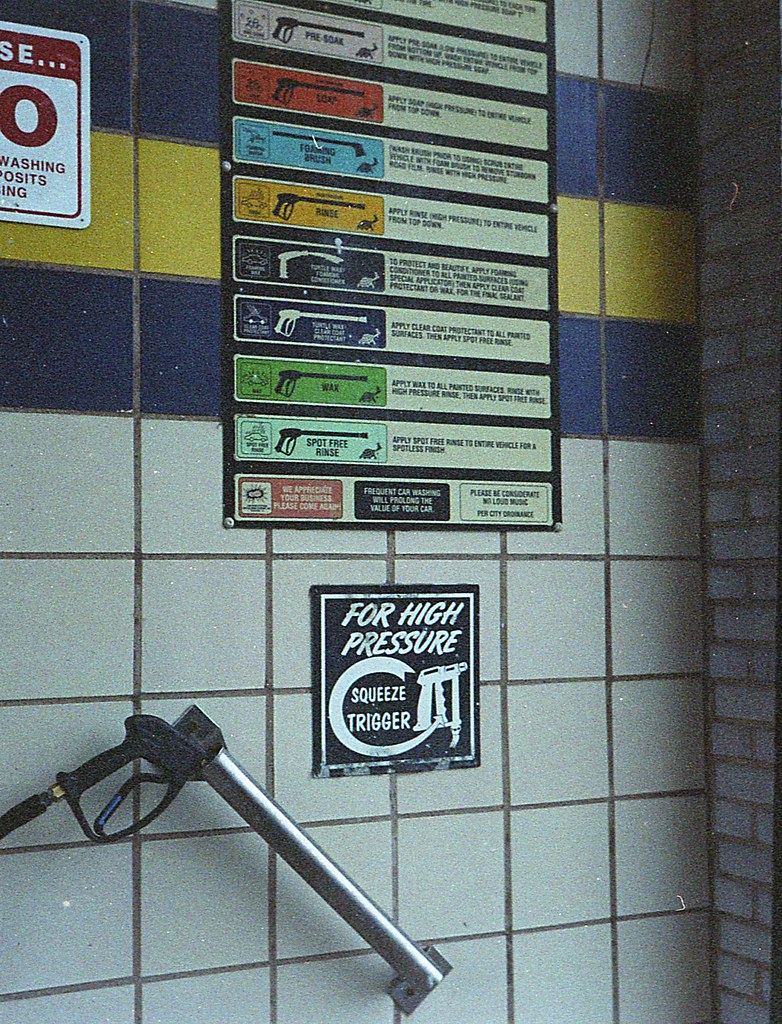
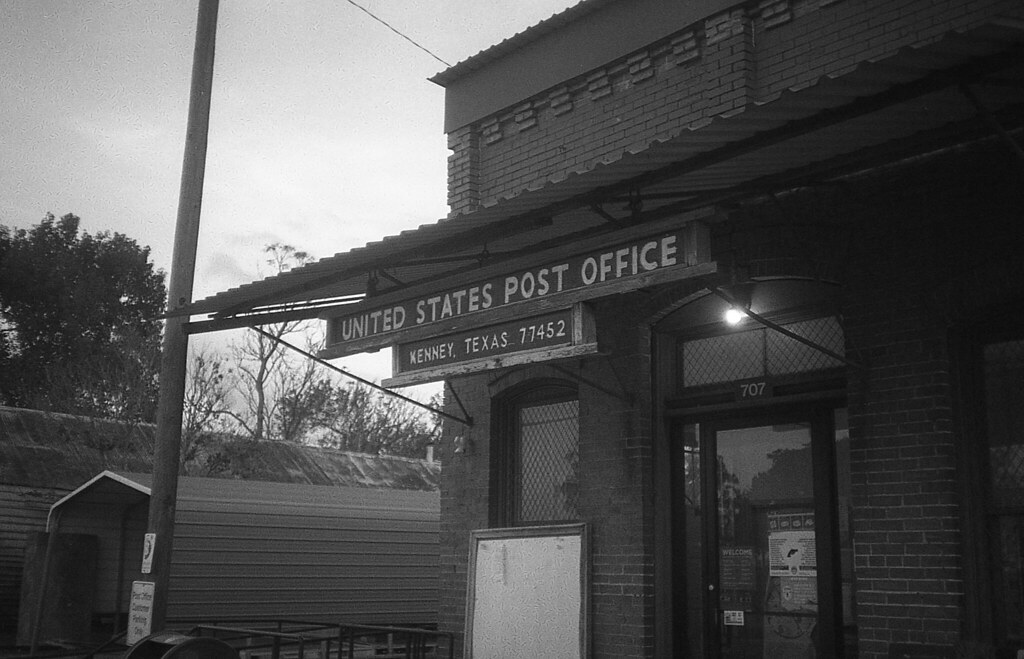
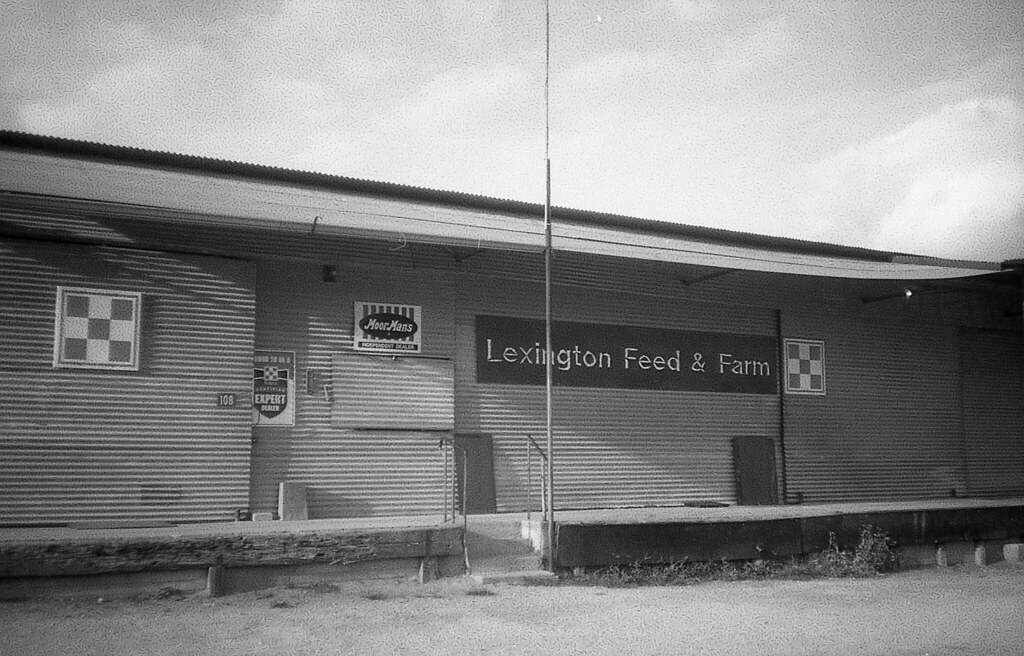
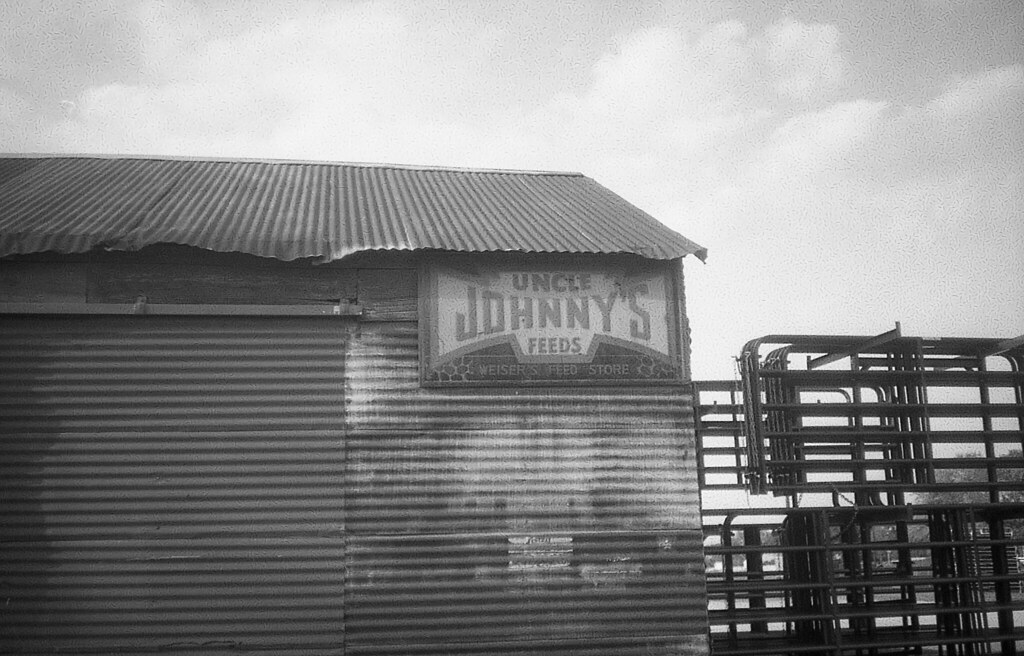
The Konica Auto S was the second camera I bought when getting back into film photography. I settled on this camera because of the examples I found online. The lens is very impressive. I do have to say that the camera and this film roll fought me from start to finish so this month's examples aren't the best but that's the name of the game with old cameras.

The top shutter speed on this camera is 1/500. The Hexanon lens is very capable with a max aperture of 1.8. The battery is only required to operate the meter and auto mode. It can be used as a fully manual camera if desired. I decided to let the camera make the decisions this month--so I used the camera in shutter priority mode.

Overall, I really like this camera when it's working properly. It's easy to focus and the aperture selection is clearly visible in the viewfinder.

Camera: Konica Auto S
Film: Kodak 400 (expired 2009)
Developer: Unicolor C41 Kit
Scanner: Epson V550

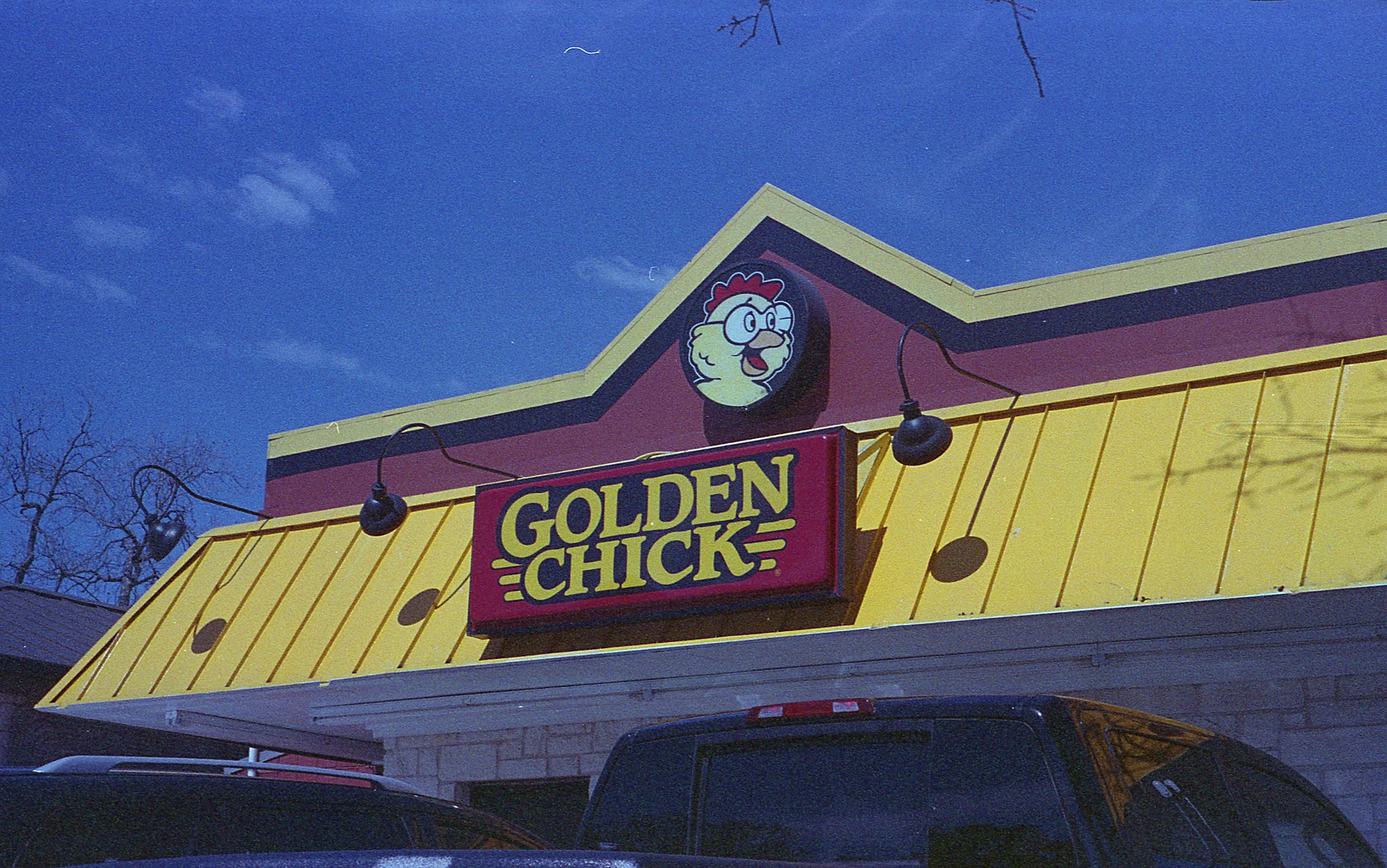
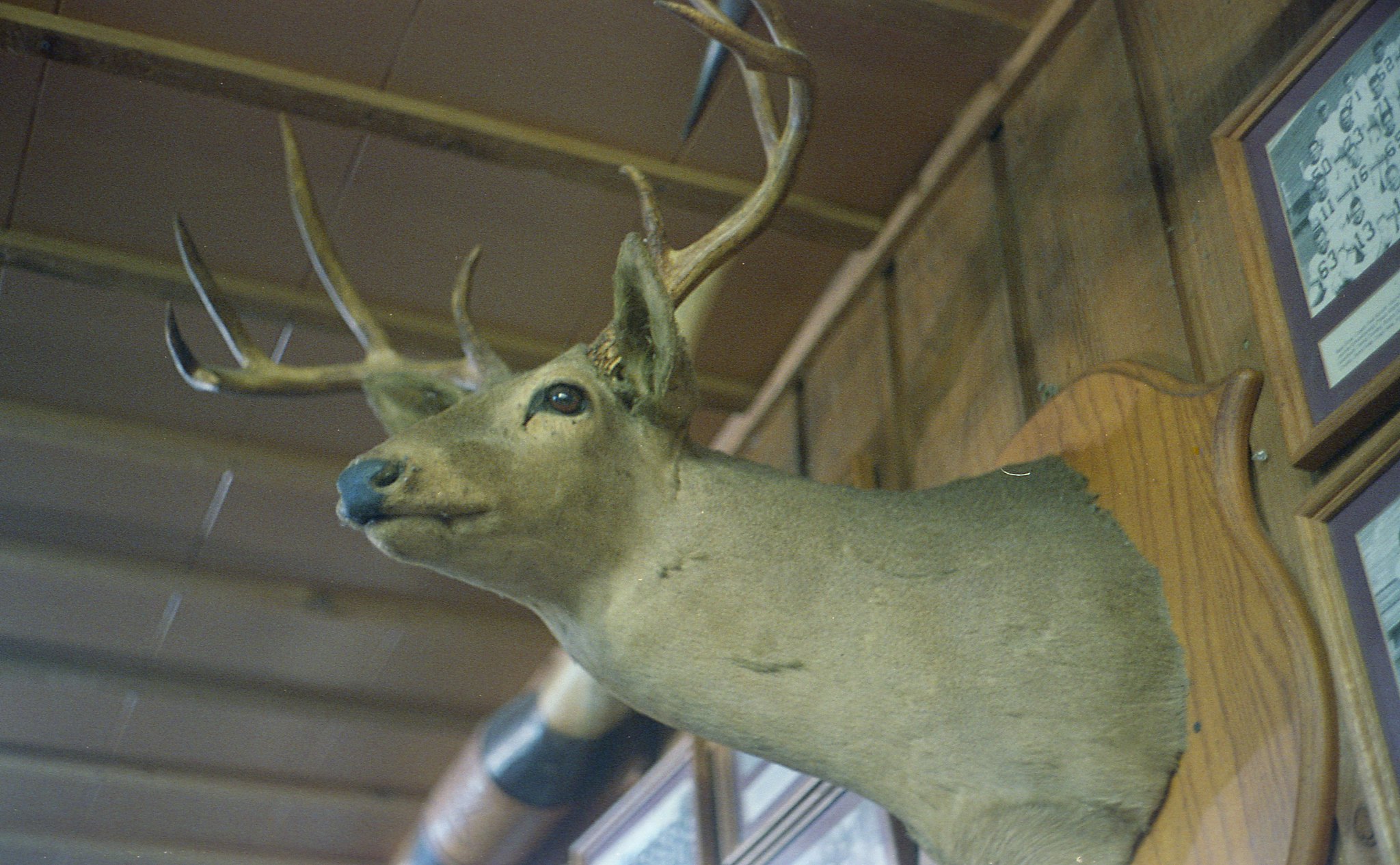
Konica Auto S

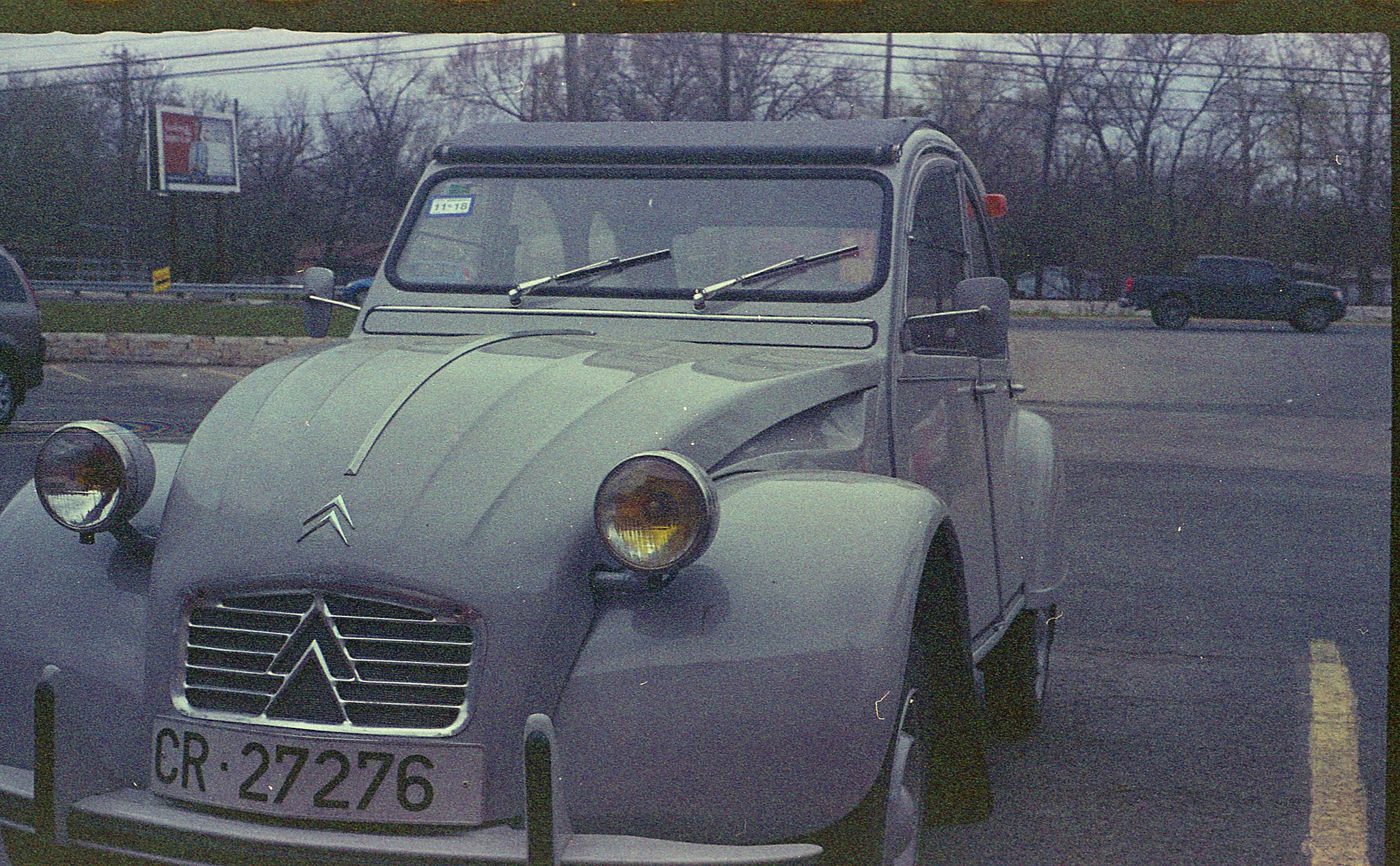
Konica Auto S

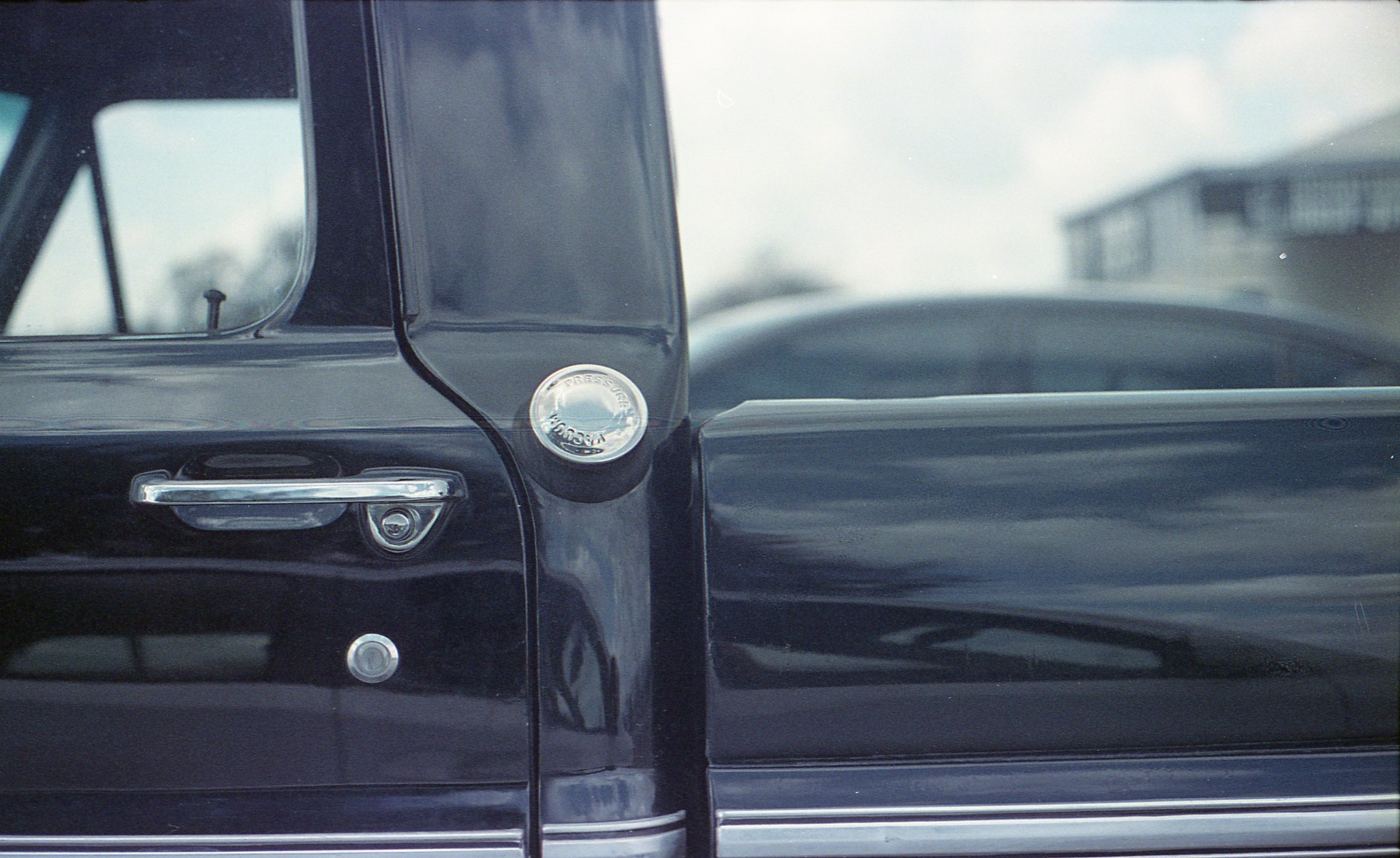
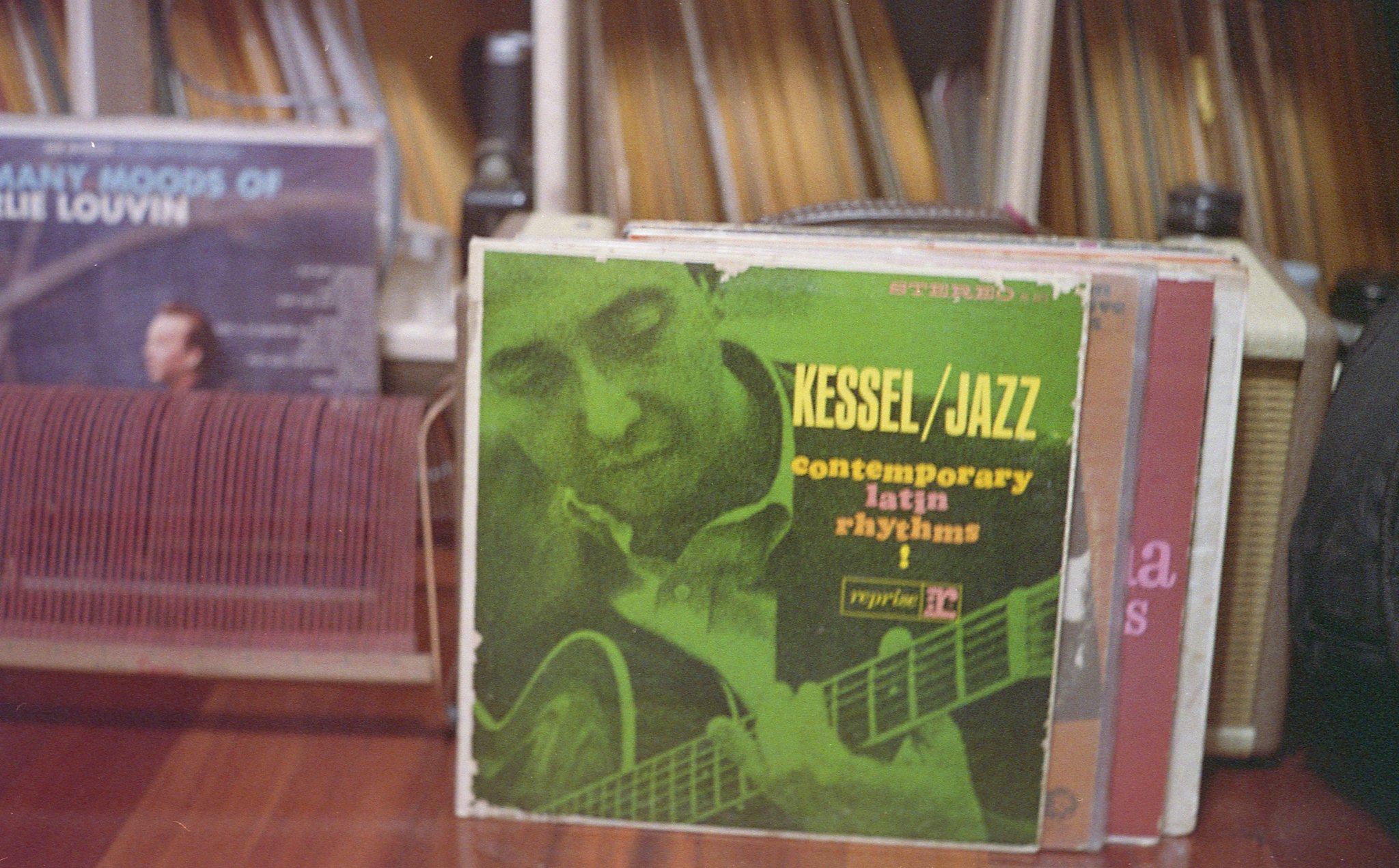
Konica Auto S


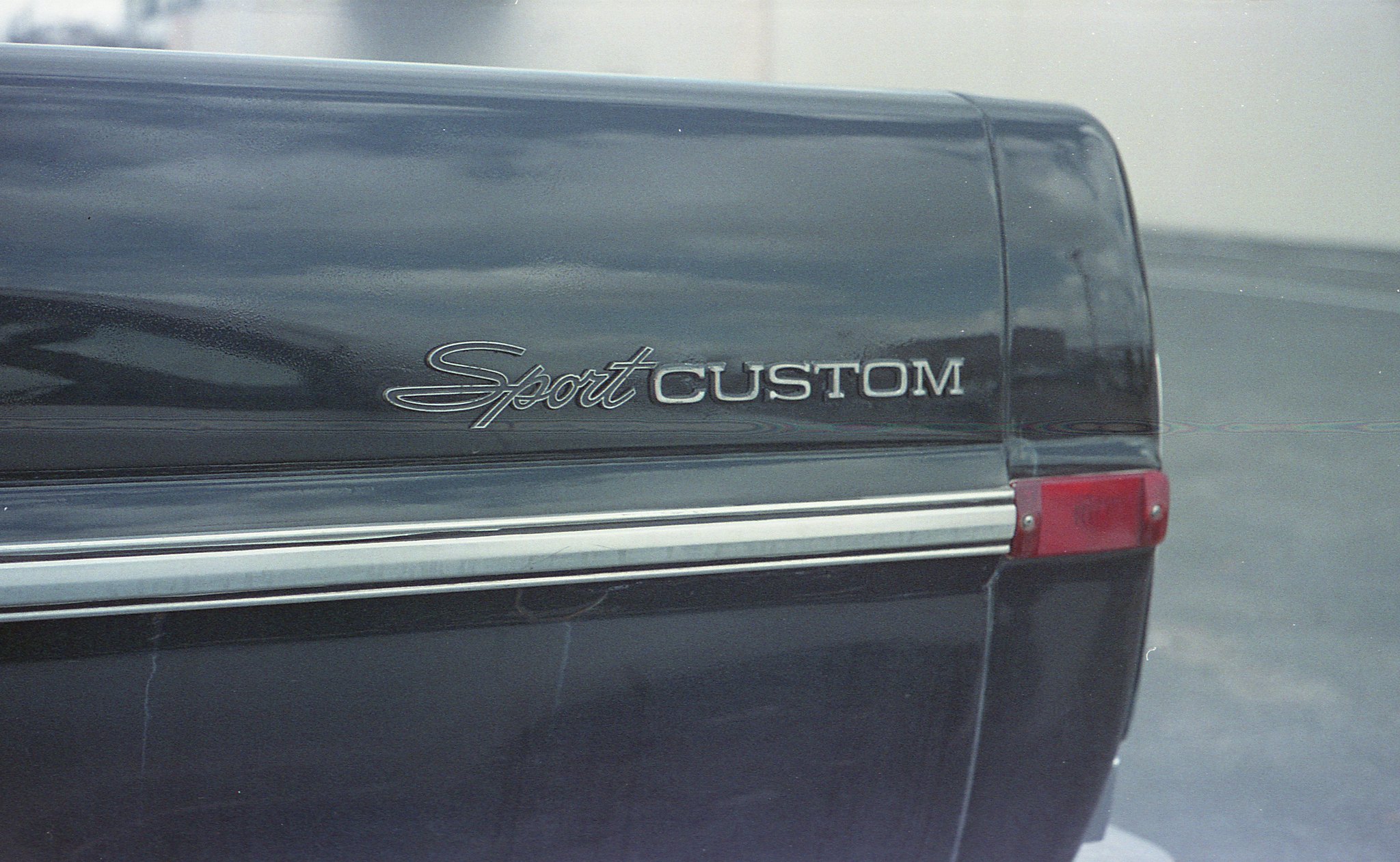
Konica Auto S


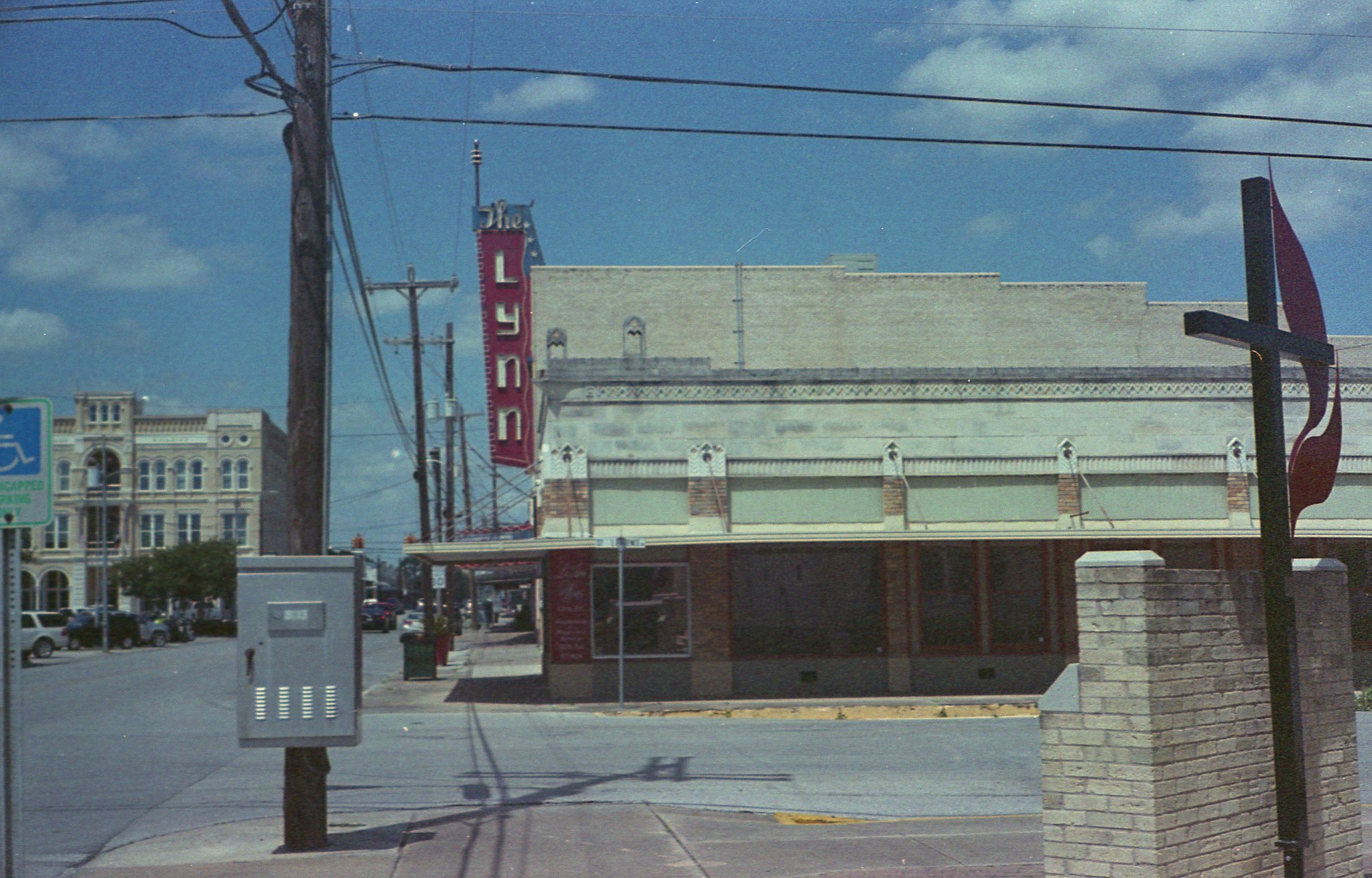
Konica Auto S


Konica Auto S


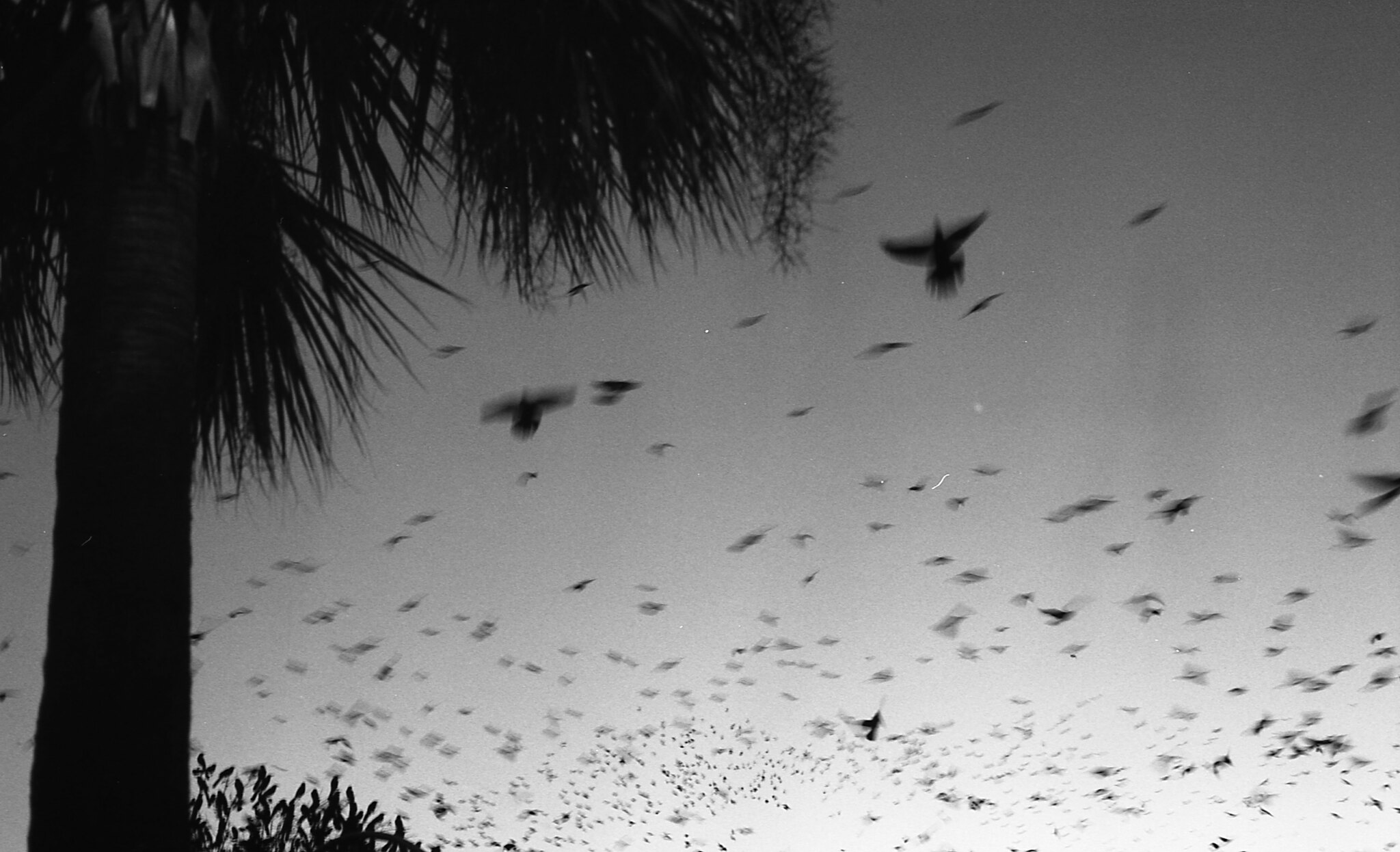
Konica Auto S


Konica Auto S

Konica Auto S


Konica Auto S


Next month's camera: Konica Autorex

Thursday, March 1, 2018

GAF L-17 SLR Camera

GAF L-17 SLR

The GAF L-17 is an SLR camera made in Japan by Chinon. This is the first SLR used for this blog!

I picked this camera up for $7 on eBay (without a lens). It's an M42 screw mount so lenses are aplenty. I paid twice as much for the Chinon lens after winning the camera. I bought the 55mm/f1.7 lens because that's what's mounted on the camera in the original manual. I also have a 28mm/f2.8 lens. I like that focal length but it's hard for me to judge the focus on that lens. It's just not as obvious as the focus on the 55mm. I'm sure it has something to do with the fact that I wear glasses. I swapped lenses back and forth throughout the month just for fun.

It wasn't until the end of the month that I went back and read the manual for this camera. There were a couple of features that I wasn't too sure about so I wanted to read up on them. One feature is a slide/switch near the winding lever. This switch disengages the film transport and allows you to use the winder to cock the shutter without advancing the film so you can do a double exposure. There's another button on the other side of the top deck but I figured that one out pretty easily--it's a battery check button. Push it down and look for the green light in the viewfinder.

One thing I read in the manual that I didn't realize is that you can run this camera in manual or auto mode. I used it in manual mode all month but it's nice to know that auto mode is there if you want it. In auto mode, the camera works as a shutter priority camera. The top shutter speed on this camera is 1/1000 of a second.

The light meter is switched on by pressing down on the switch next to the lens. It falls under your right index finger when holding the camera. What I like about this camera is that it disengages the light meter after each picture taken. This is a nice feature that definitely extends the life of the battery as the circuit is disengaged after each shutter release.

As you can see in the picture, my example is missing its self-timer arm. I rarely use the self-timer so this isn't a big deal but maybe I'll hunt one down just to make the camera look nice.

Film: Kodak T-Max 100
Developer: R5 Monobath Developer
Scanner: Epson V550

GAF L-17 SLR
GAF L-17 SLR
GAF L-17 SLR
GAF L-17 SLR
GAF L-17 SLR
GAF L-17 SLR
GAF L-17 SLR
GAF L-17 SLR

Next month's camera: Konica Auto S Rangefinder

Saturday, February 3, 2018

Fujica 35 EE

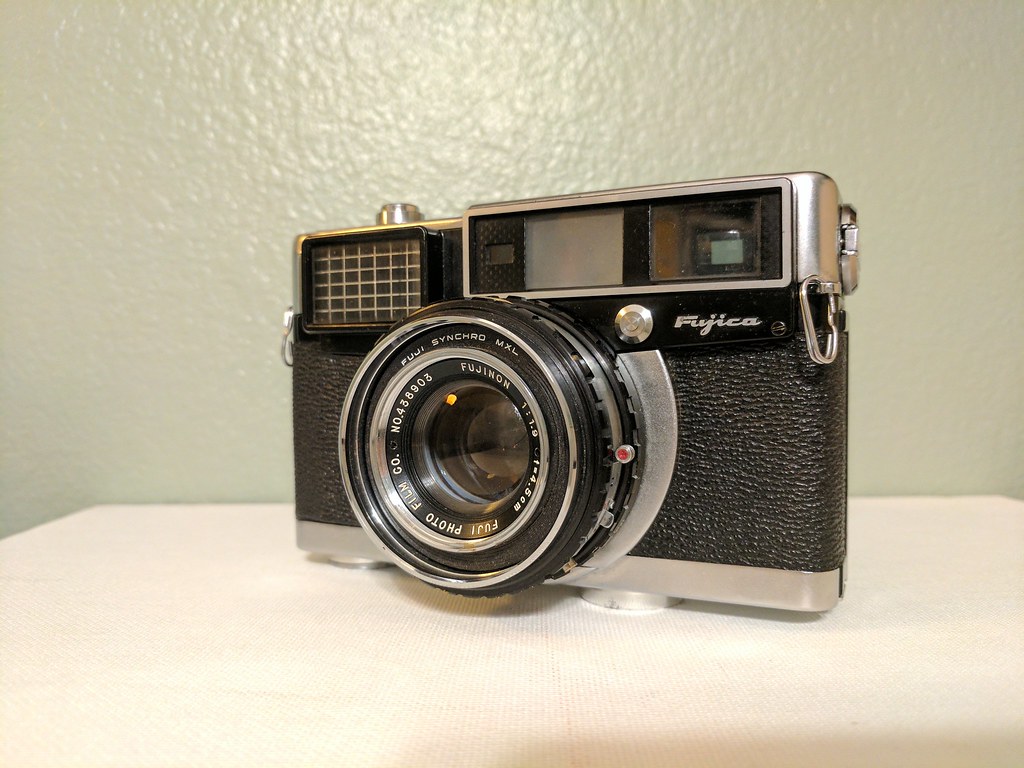
Fujica 35 EE Rangefinder

I've been interested in the Fujica 35 EE rangefinder for awhile. I was impressed with the quality of the pictures I was seeing online and intrigued by the funky quirks of the camera. But I was never tempted enough to drop the $40 or $50 they are usually listed for on eBay. So I admired them from afar but wasn't tripping over myself to get one.

Then something that never happens to me happened. I was at an antique store one weekend and they had a stash of old cameras. The Fujica caught my eye and I thought "surely that isn't a Fujica 35 EE"--but it was! The camera looked pretty clean but shutter was sticky. But for $12.50 I was willing to give it a shot.

This camera is super easy to work on. I believe there were only a couple of things to remove to get to the shutter. I used a generous amount of naphtha to get it moving. After letting it dry out, I applied graphite to the shutter blades and worked the shutter for a bit. Once I was satisfied that they were up and running, I blew out the excess with a can of compressed air and reassembled the lens.

I've picked this camera up from time to time since I got it to make sure everything was moving as it was supposed to. The shutter showed no signs of sluggishness so I feel good about using this camera.

The camera came in its original, tattered case. I'm always encouraged when I see this because it means that the selenium meter may have been protected over the years and might still work. The needle didn't even hesitate when exposed to light. It started jumping around ready for action. I compared it to the light meter app on my phone and it seems pretty darn accurate.

 Let's talk about the weight of this camera for a minute. Yes, it has quite a bit of heft to it. You could definitely clobber a guy with it if you felt threatened. But there's something reassuring about a nice, solid camera in your hand(s) so don't let the idea of a 2 lbs. camera deter you from picking one up. Unless you're weak. Then maybe you should steer clear of this one and buy a plastic point and shoot.

I like the thumb wheel for adjusting the focus. You can hold the camera steady with two hands while you set your focus. As some users have pointed out, the adjustment moves the bigger image to align with the smaller patch. I didn't really notice it until I read that online. The small patch is stagnant and the full frame moves when focusing. Quirky--but it didn't bother me at all.

The highest ISO supported by this camera is 200. The camera has a full compliment of shutter speeds plus bulb setting with a top speed of 1/1000 of a second! So you're able to use a wider aperture during bright light situations if that's what you're going for.

The camera can be operated in auto mode or full manual. The light meter read out is located on top of the camera. The viewfinder only shows the framing lines, rangefinder patch, and has a dot that will turn red if the exposure isn't correct given the conditions you're shooting under. When you select the auto mode, the shutter release button pops up to let you know you're in auto mode. I don't care for the extra long travel of the shutter release button in auto mode but it was only mildly annoying.

There's a release lever on the front of the camera that must be slid to the side when you want to access slower shutter speeds.

Overall, I think this is a great camera that should serve you well.

Film: Fujicolor 200
Developer: Unicolor C-41 Kit
Scanner: Epson V550
Fujica 35EE

Fujica 35EE

Fujica 35EE

Fujica 35EE

Fujica 35EE

Fujica 35EE

Next month's camera: GAF L-17 SLR Camera
Monday, January 1, 2018

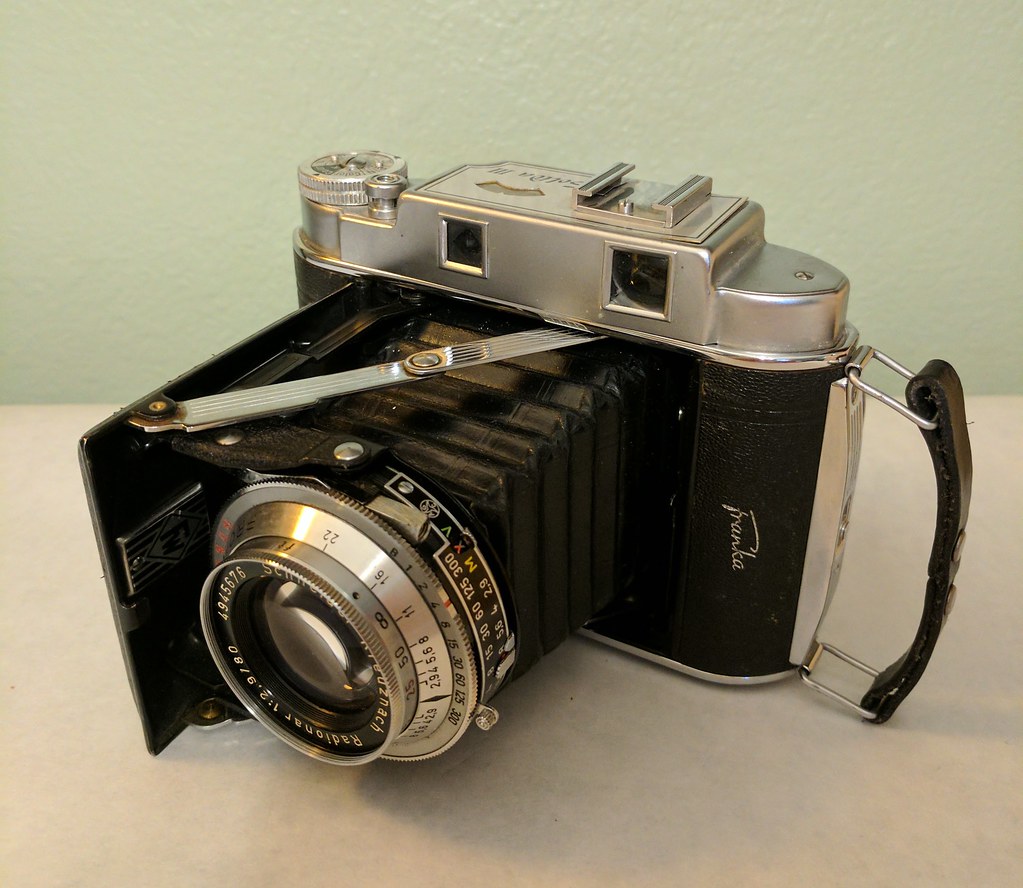
Franka Solida III

Franka Solida III

The Franka Solida III is a medium format (120 film) camera with an uncoupled rangefinder. It has an excellent f2.9/80mm lens. The example that I own is in pretty good shape. The rangefinder needs to be calibrated but I haven't had the time or inclination to figure out how to adjust it. I do better estimating the distance on my own. The one time I relied on the rangefinder, my pictures were out of focus.

The bellows are in excellent order with no light leaks to speak of. The lens can be fussy from time to time when attempting to close the lens door. The hand strap was dry rotted when I got the camera and it quickly broke within minutes of using it for its intended purpose. I was able to fashion a new handle with some leather and rivets I had. I was back in business in short order.

This camera is equipped with double exposure protection. There's a window on top of the camera with a white/red dot system. When the dot is white it means you've fired the shutter and need to advance the film. The dot will turn red and you're good to cock the shutter and take your next picture.

The Franka Solida III is an excellent camera from Germany. It's relatively easy to use and produces good results on a consistent basis.

I used Kodak Tri-X 400 film this month. Developed using R5 Monobath Developer and scanned on an Epson V550.

Franka Solida III

Franka Solida III

Franka Solida III

Franka Solida III

Franka Solida III

Franka Solida III

Franka Solida III

Next month's camera: Fujica 35-EE

Saturday, December 2, 2017

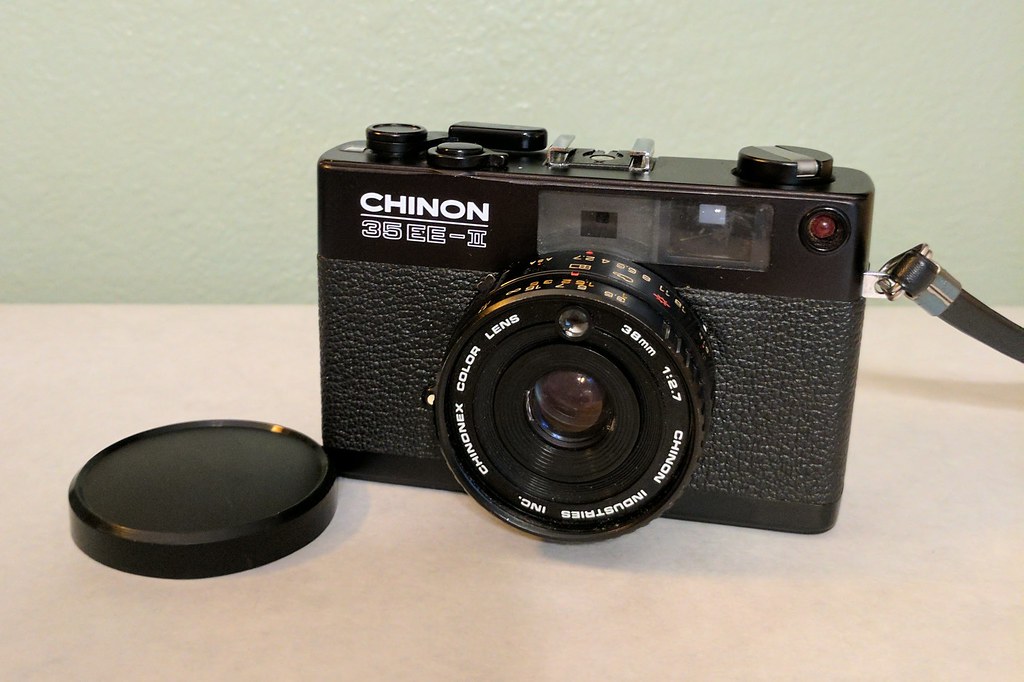
Chinon 35 EE-II


Chinon 35 EE-II 

This Chinon 35 EE-II is the first camera that I had not used prior to this project. Sometimes you just have to trust that a camera still has the ability to capture a moment.

I picked it up on eBay because it looked to be in good shape.  It turns out the battery wire was fried from battery leak. It was real tricky getting in there to solder the wire. My first attempt to fix this was not successful. After taking a step back, I revisited the repair and was able to get it fixed the second time around. 

The battery situation took some thinking to figure out. It was originally powered by two of the thicker batteries. I stacked two modern batteries on one side and used a brass nut to bridge the other side of the connection. This seems to work just fine and everything worked okay after I did this.

This is an aperture priority rangefinder fitted with a 38mm/f2.7 lens. You select the aperture and the camera will select the shutter speed. The shutter speed is not represented anywhere on the camera or in the viewfinder. There are over/under lights (green/red/green) directly to the right of the viewfinder that you can see as you depress the shutter release. It's good to know that the max shutter time is around 10 seconds. You will get the under exposure warning any time the camera will require a long shutter speed to get the correct exposure. Don't be afraid to use a tripod to get the shot you're looking for. 

The camera has a shutter release lock that could be handy. Personally, I don't advance the film and cock the shutter until I'm ready to take the picture. That's a habit I've developed since I have so many cameras that tension the shutter when you advance the film.

As pointed out on other sites, there isn't an owner's manual readily available on the internet. 

The exposures were pretty good on most of the pictures but the camera didn't produce consistent results. Although this camera is compact and easy to use, it doesn't hold a candle to the Olympus XA.

I used Kodak Tri-X 400 and Orwo UN54 (100 iso) film this month. Developed using the R5 Monobath Developer. Scanned with an Epson V550.


Chinon 35 EE-II

Chinon 35 EE-II

Chinon 35 EE-II


Chinon 35 EE-II

Chinon 35 EE-II

Chinon 35 EE-II

Chinon 35 EE-II

Chinon 35 EE-II

Chinon 35 EE-II

Next month's camera: Franka Solida III

Thursday, November 2, 2017

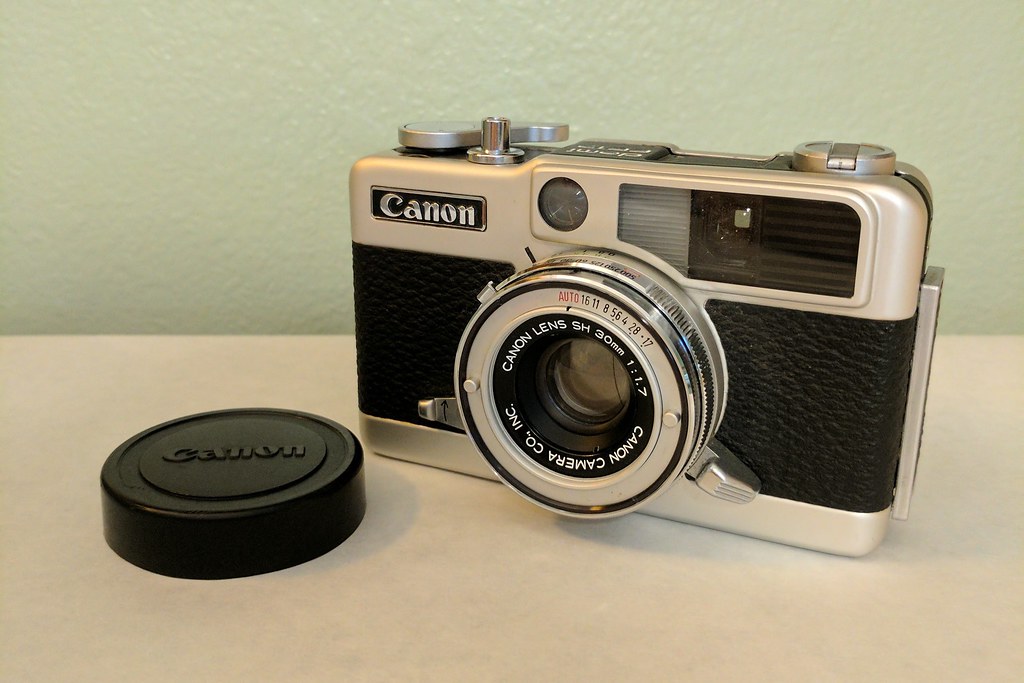
Canon Demi EE17

The Canon Demi EE17 is an excellent half frame camera that produces 24x18mm pictures. The pictures are composed in the portrait format. Rotate the camera 90 degrees and you're taking pics in landscape format! It's equipped with a 30mm/f1.7 lens. According to the literature it's made up of 6 elements in 4 components.

Canon Demi EE17 Half Frame Camera 
The ISO range for this camera is 25-400. The shutter speeds go from 1/8 to 1/500 plus a Bulb setting. The size of the camera is slightly larger than pocket size. It fits comfortably in the hand and mine came with a Canon wrist strap that screws into the tripod mount on the bottom of the camera.
The flash shoe was dangling when I got this one. It ended up falling off and I haven't bothered to remove the top and reattach it yet. For flash photography, I hand held the flash. The camera's small and light enough that you can do that without much fuss.

The shutter was gummed up so I had to go in and give it the ol' naphtha treatment. That was several months ago. So when I snapped my first couple of shots this month, I noticed that it was way too sluggish and wouldn't make it through the month without another round of naphtha and I also used some graphite on the blades this time. It seems to be hanging in there but I wouldn't be surprised if I have to go into the lens element again in the future.

This camera does a great job in the auto mode. Just don't forget that you still have to do the focusing. The focusing on this camera is zone focus and there are icons in the viewfinder (Portrait/Group/Scenery) to let you know the approximation of that focus.
The CdS light meter is located above the lens barrel. The lens cap will not block out the meter. So I put the camera in an old Kodak zipper case to keep the light out and save the battery.
I decided to shoot some Kodak Gold 200 film just because I've shot a lot of black and white the past few months. I also shot color film with this camera when I first got it. I think I'll load it with some black and white film the next time I use it.

Please note: My developer was exhausted! I knew I was pushing my luck using old chemicals. But hopefully you can still see that the camera is very capable with an excellent lens. And the auto exposure mode seems to get it right a majority of the time.

Film: Expired Kodak Gold 200
Developer: Unicolor C41 Kit (exhausted!)
Scanner: Epson V550

Next month's camera: Chinon  35 EE-II

Canon Demi EE17

Canon Demi EE17

Canon Demi EE17

Canon Demi EE17

Canon Demi EE17

Canon Demi EE17


Zeiss Ikon Ikoflex 1b TLR