Monday, July 2, 2018

Petri 1948 Folding Camera

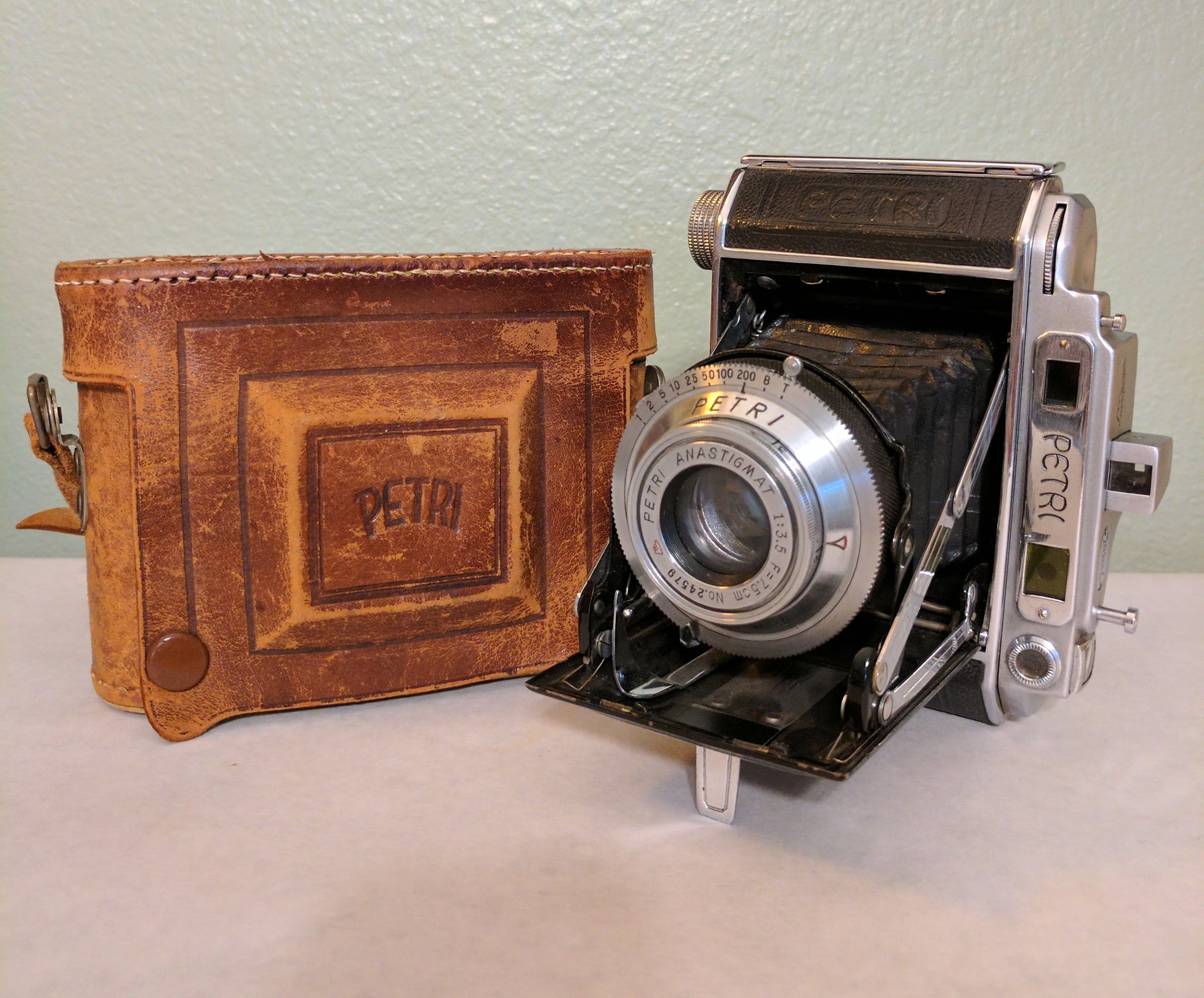
Petri Folding Camera

The Petri 1948 Folding Camera is the quirkiest camera I've used for this blog. It has a pop-up viewfinder, an uncoupled rangefinder (I think maybe it works but I didn't use it), a hard-to-get-to aperture adjustment, a waist-level viewfinder, and a left-handed shutter release button. In spite of all of that, I really want to like this camera. But I just don't. On top of that, the focus doesn't seem to be working so it's easy to not love it at all.


I do like that the eveready case looks like a well-loved catcher's mitt.


I guess I don't really have a lot to say about this camera. And since I have two other folders that outperform this camera--those being the Ansco Titan and the Franka Solida III--I'm inclined to set this one free.


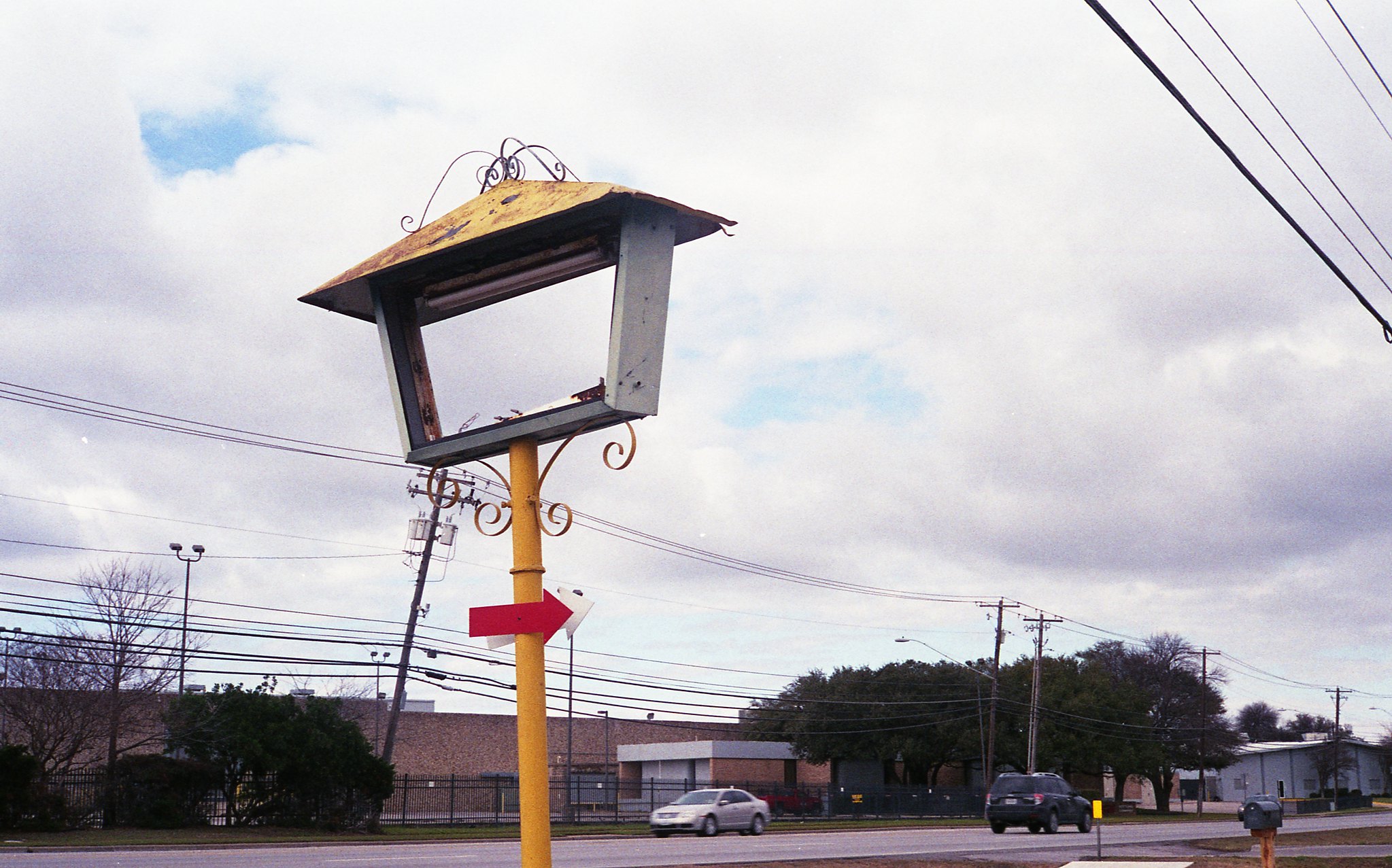
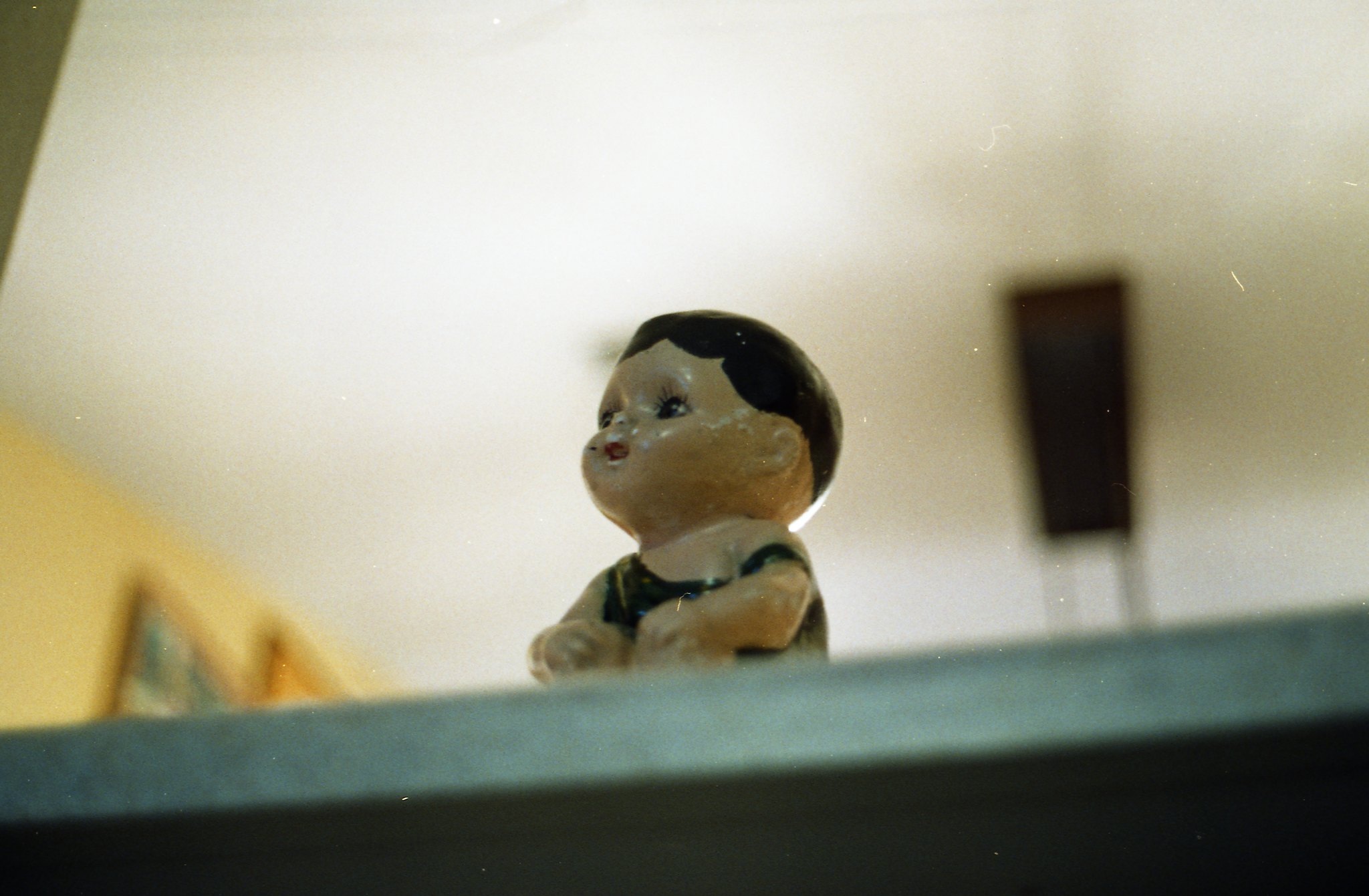
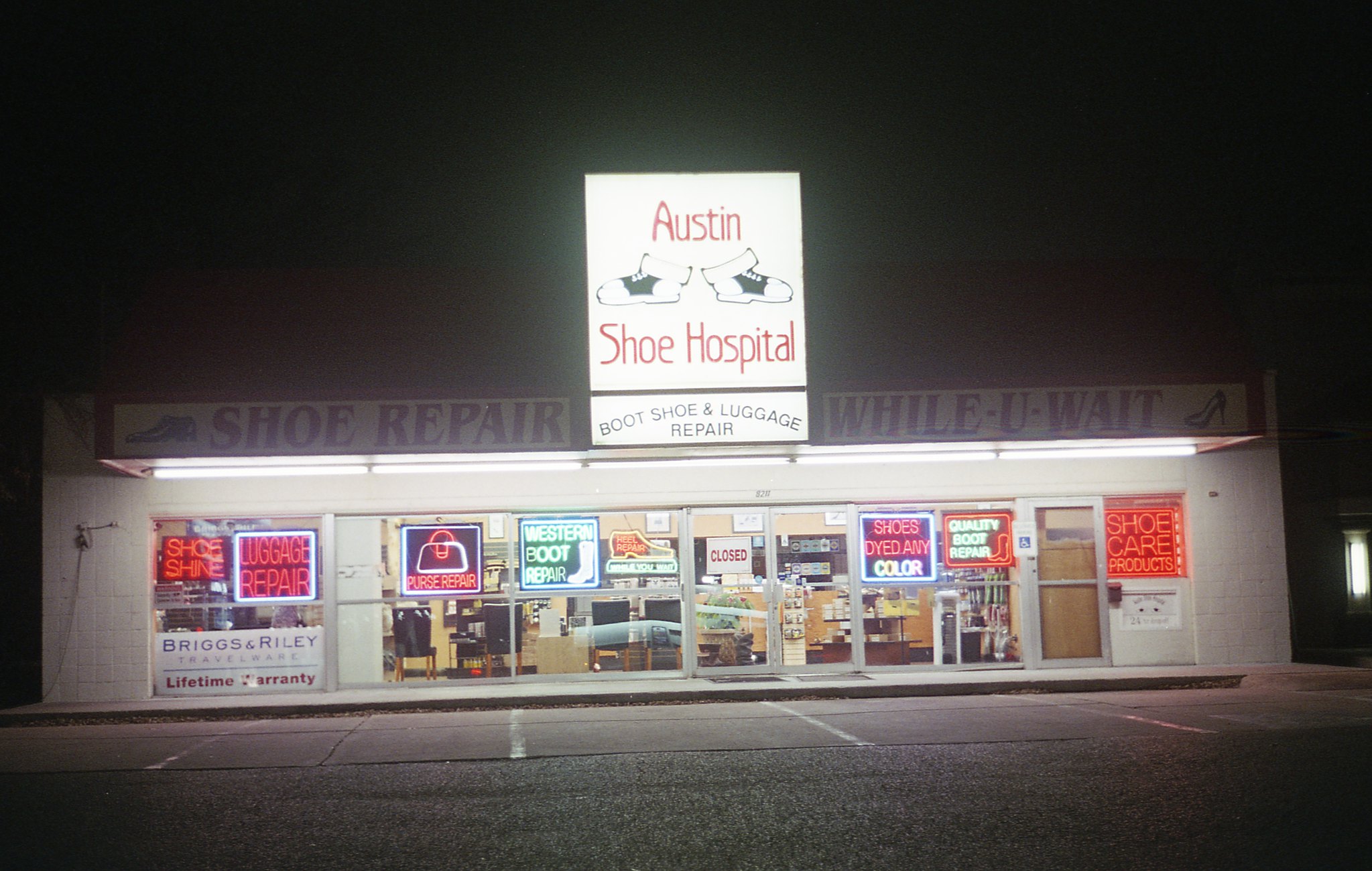
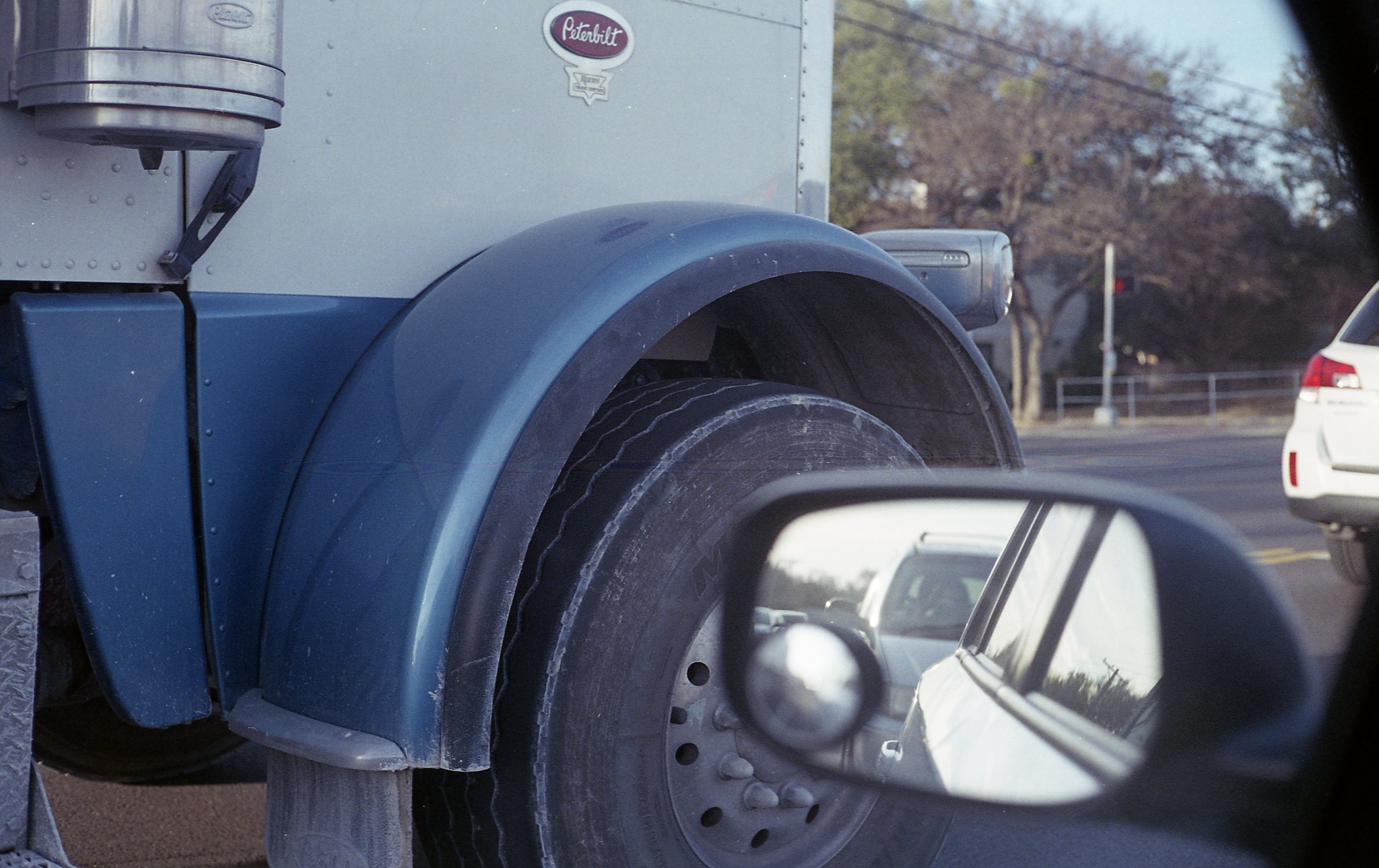
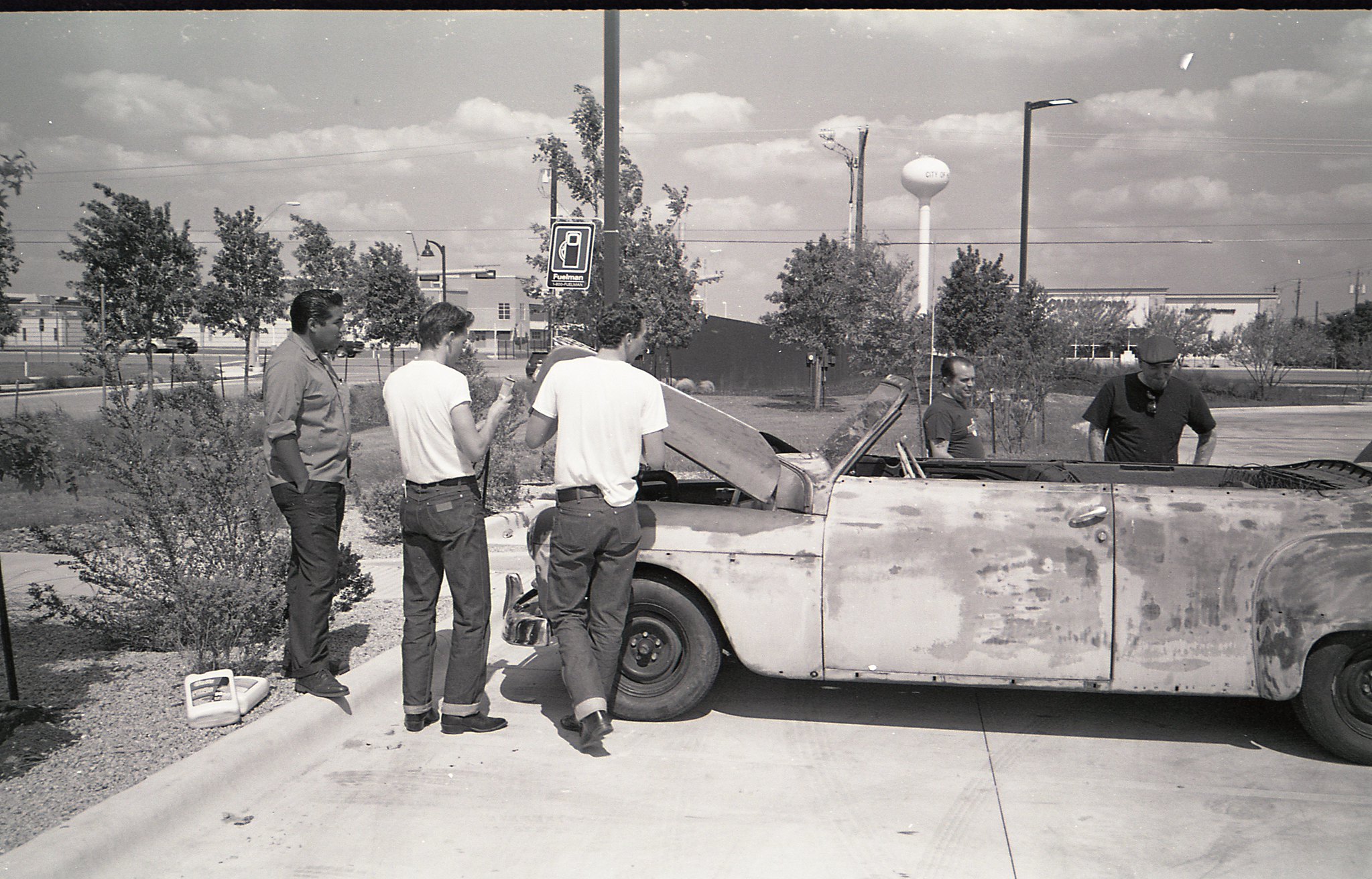
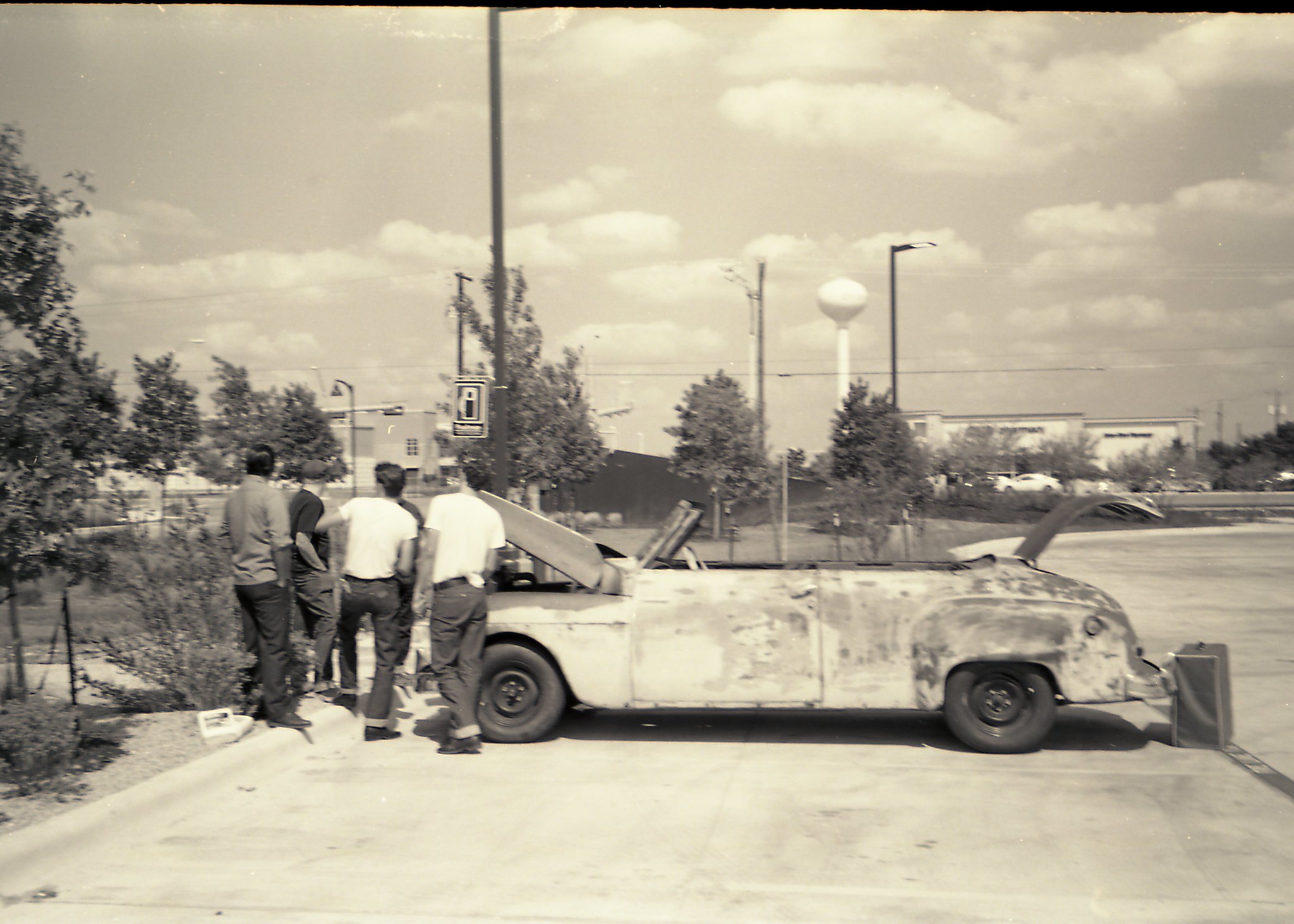
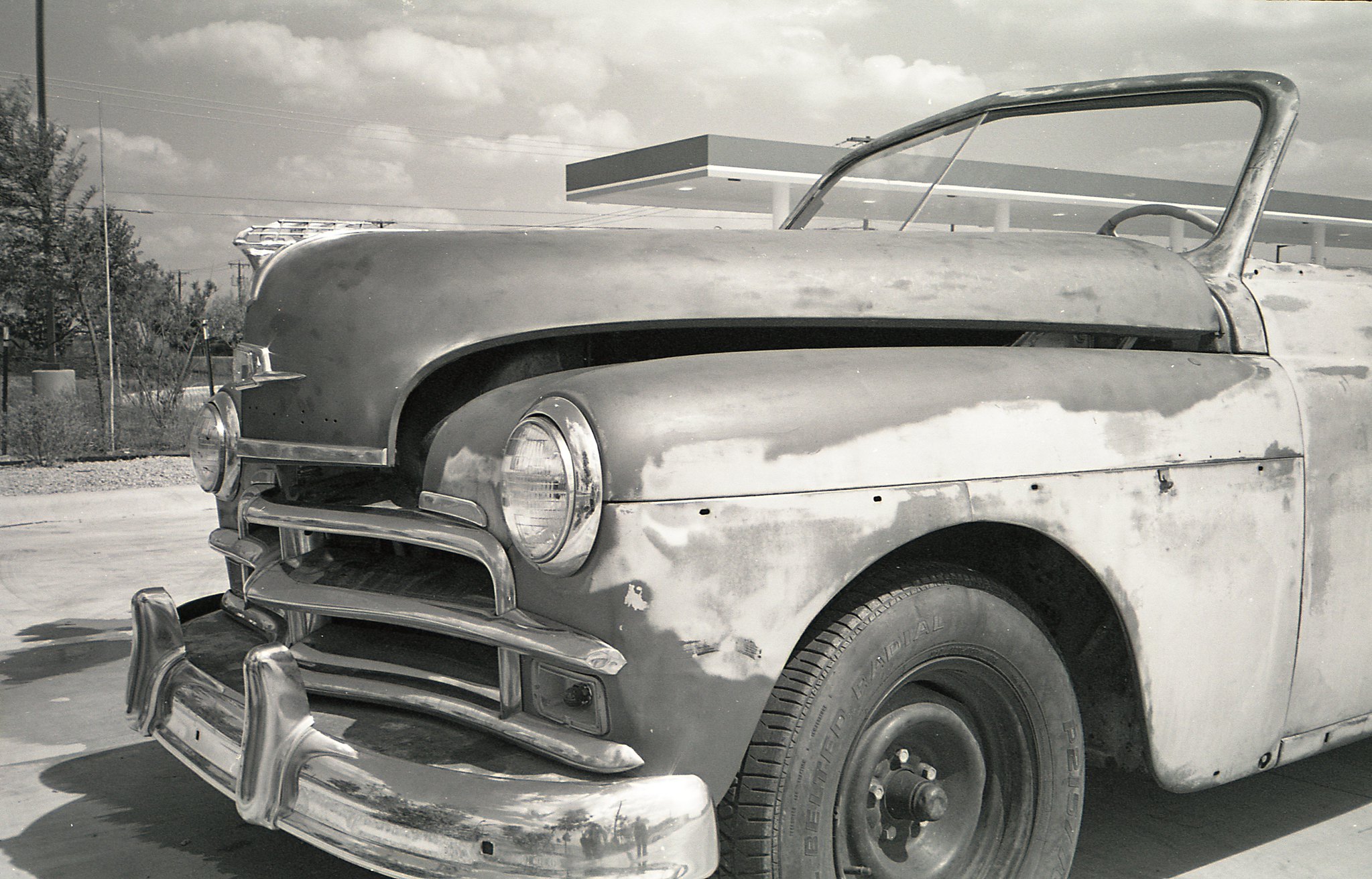
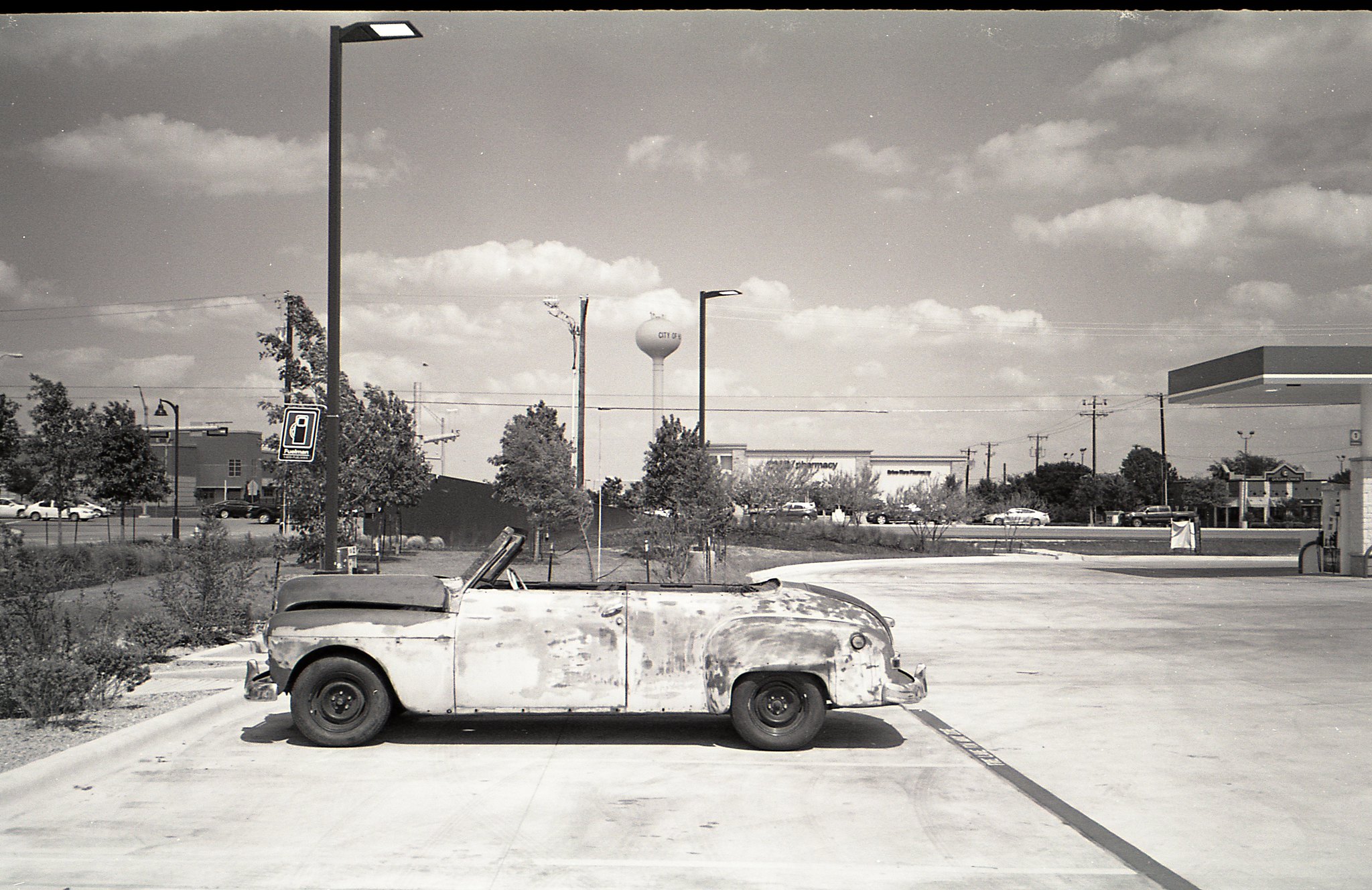
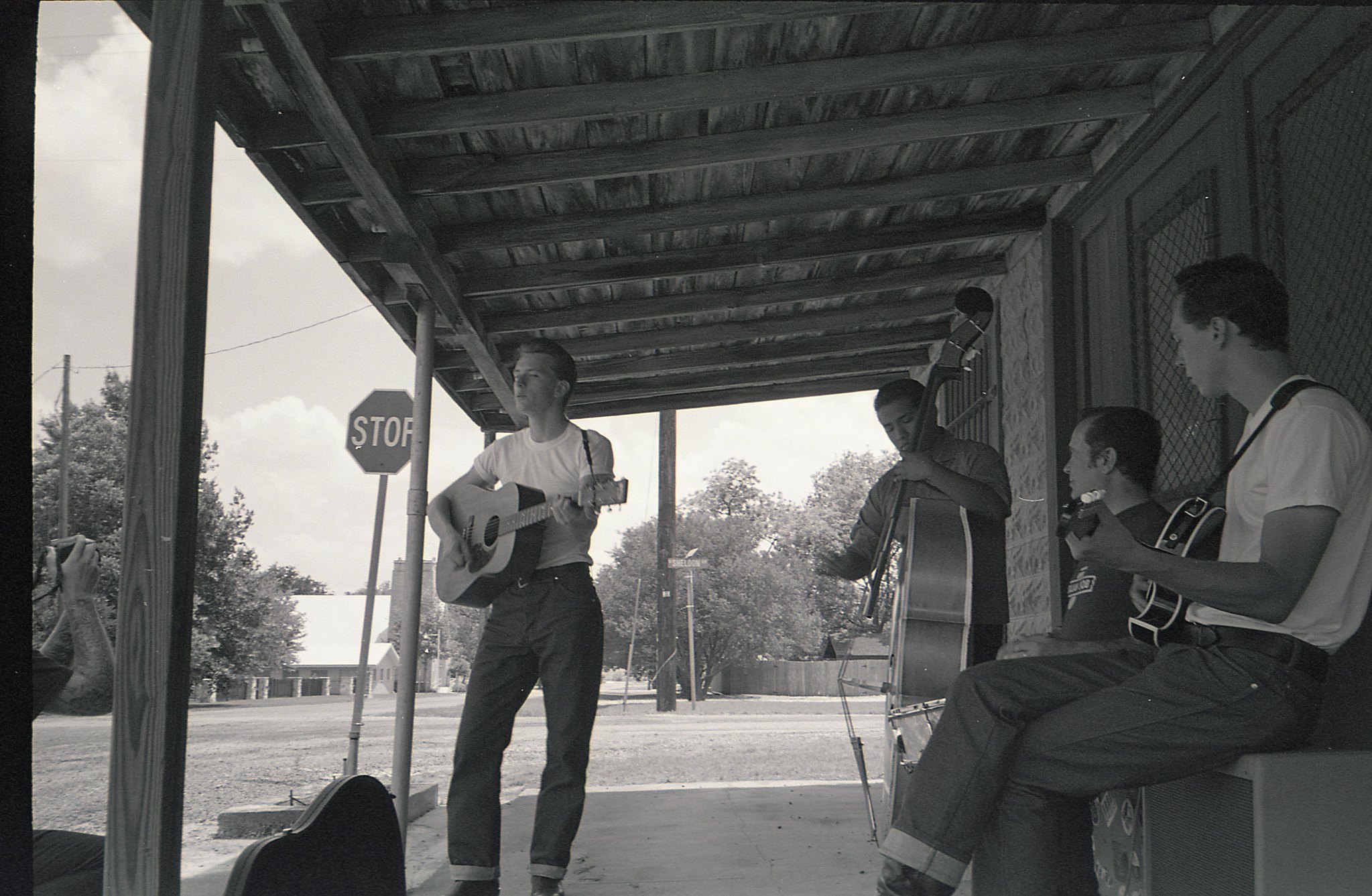
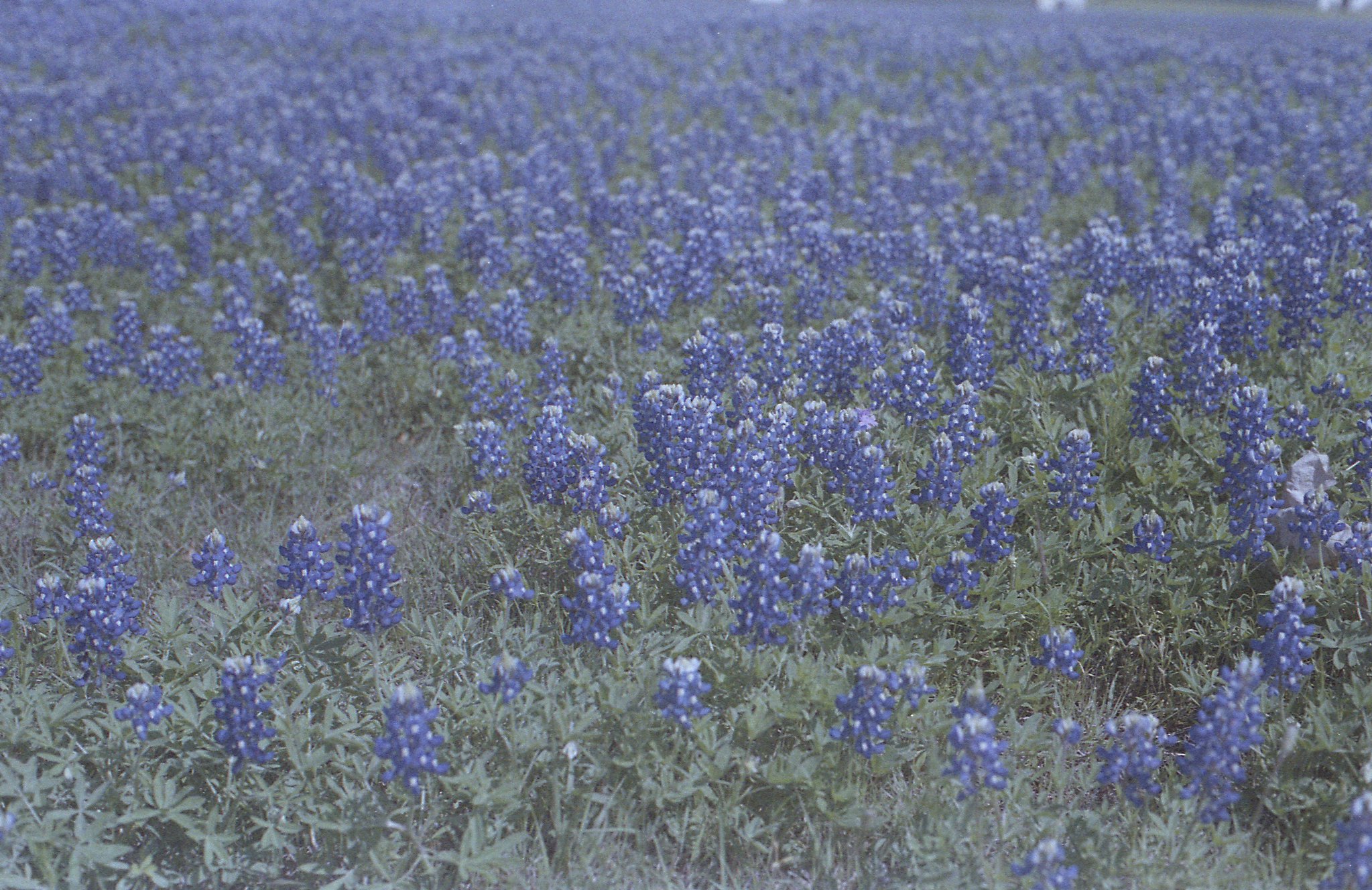
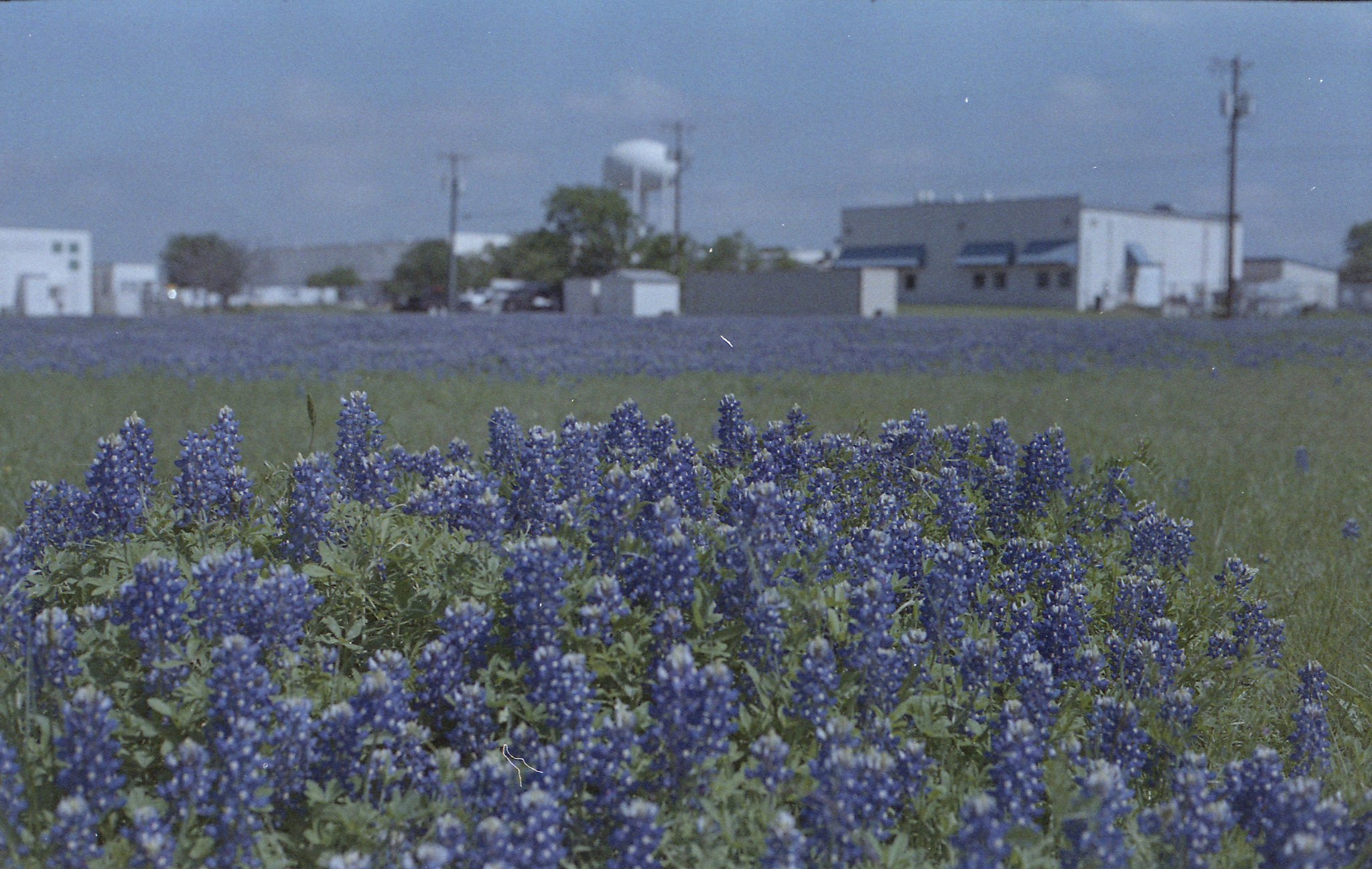
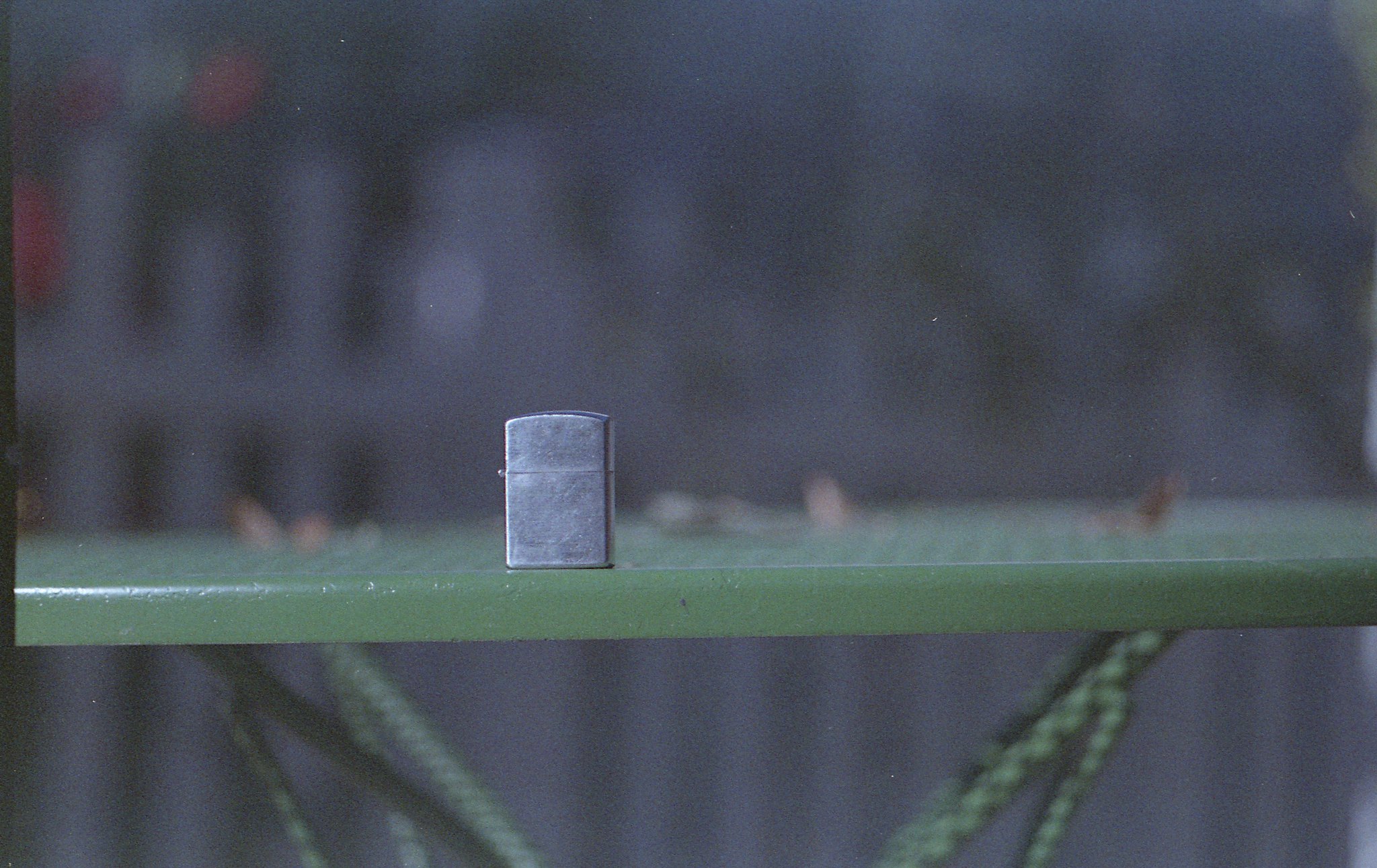
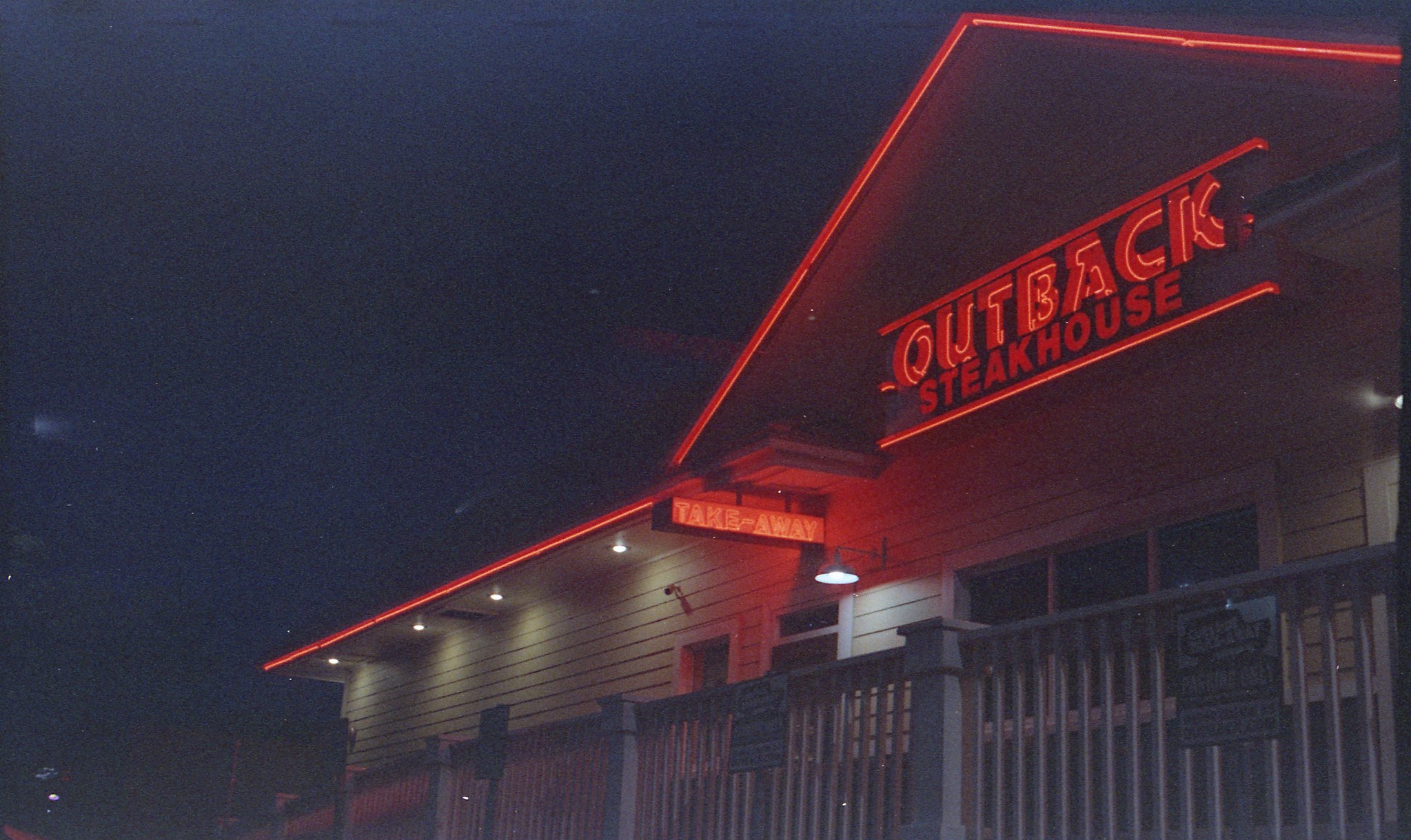
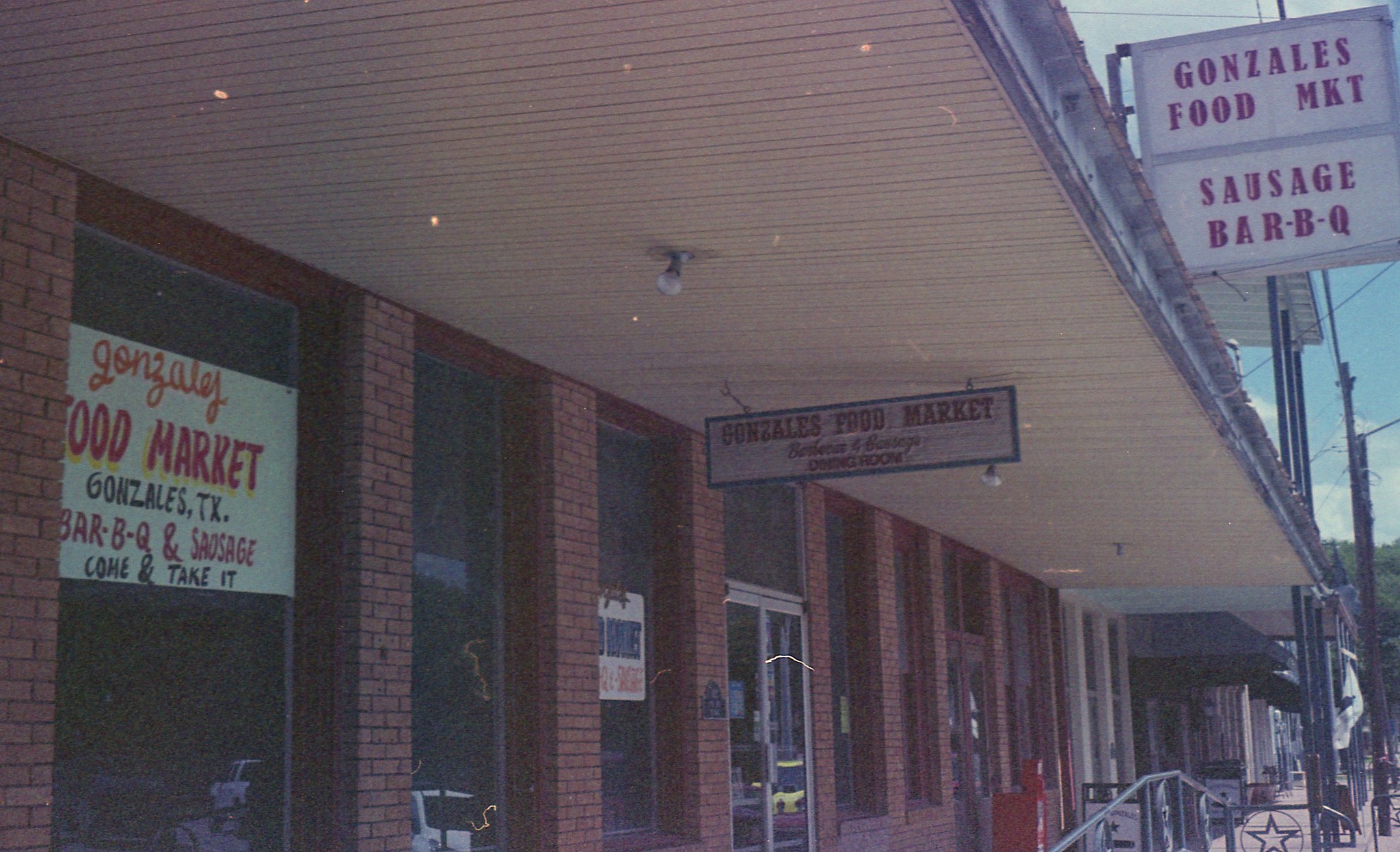
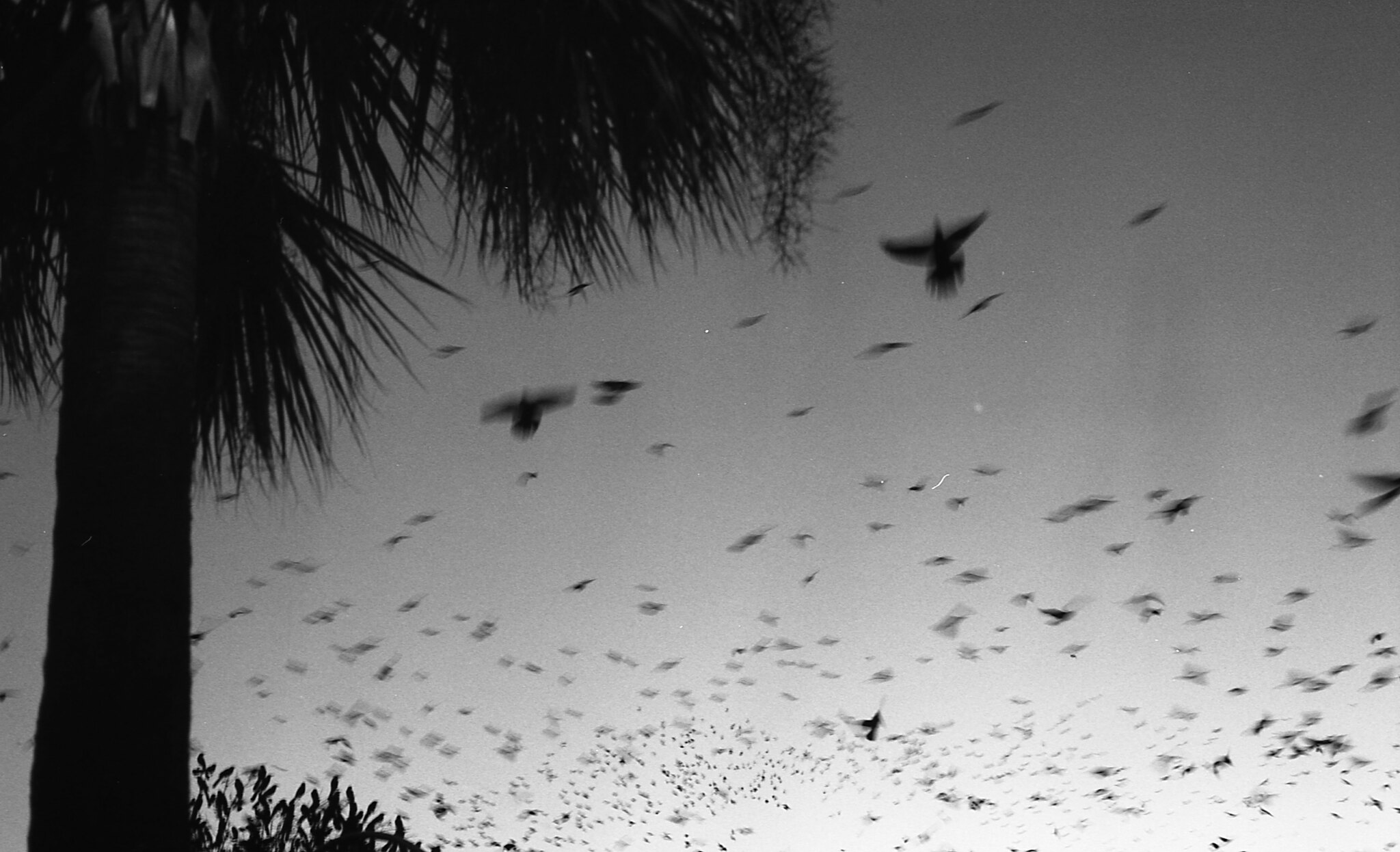
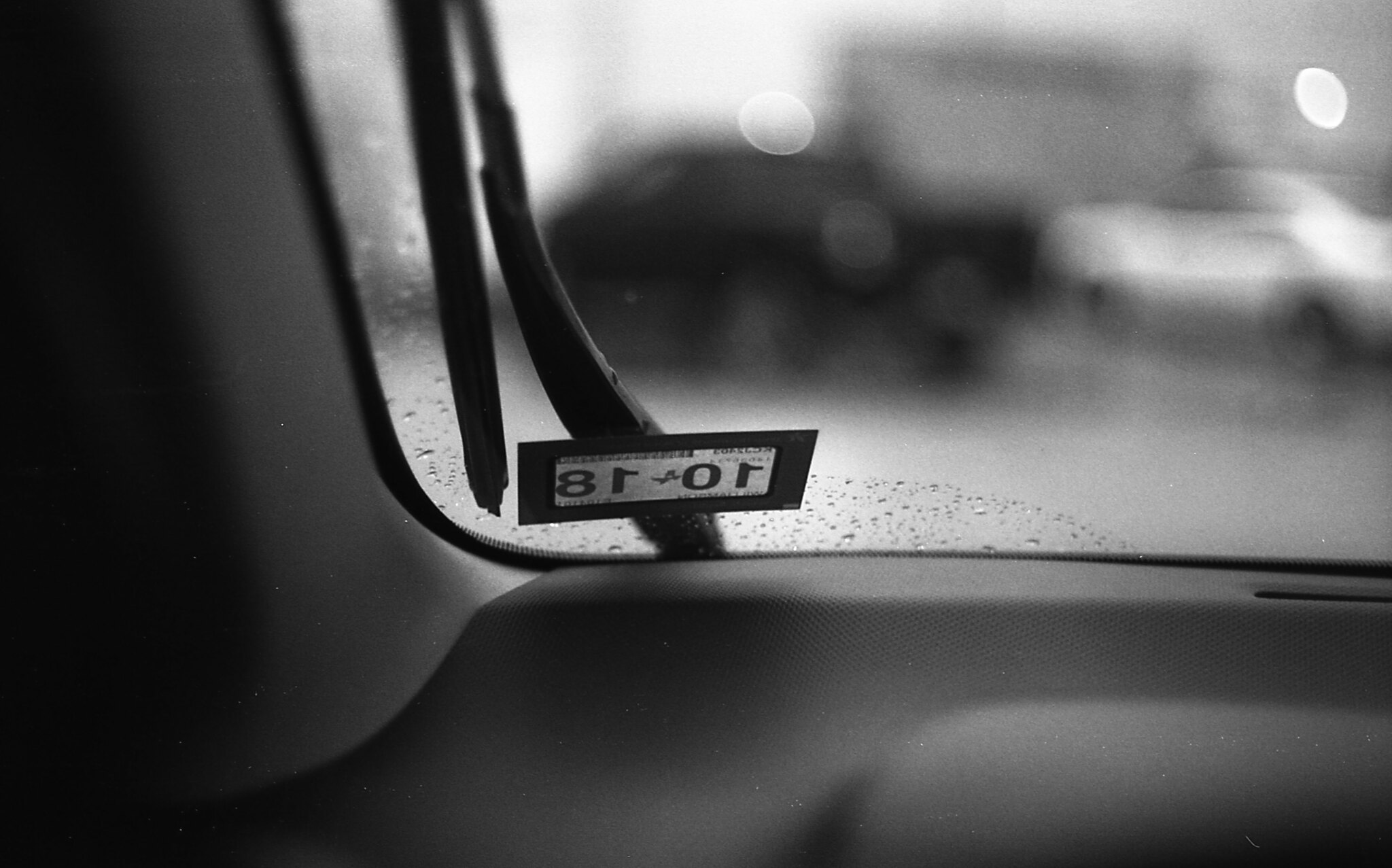
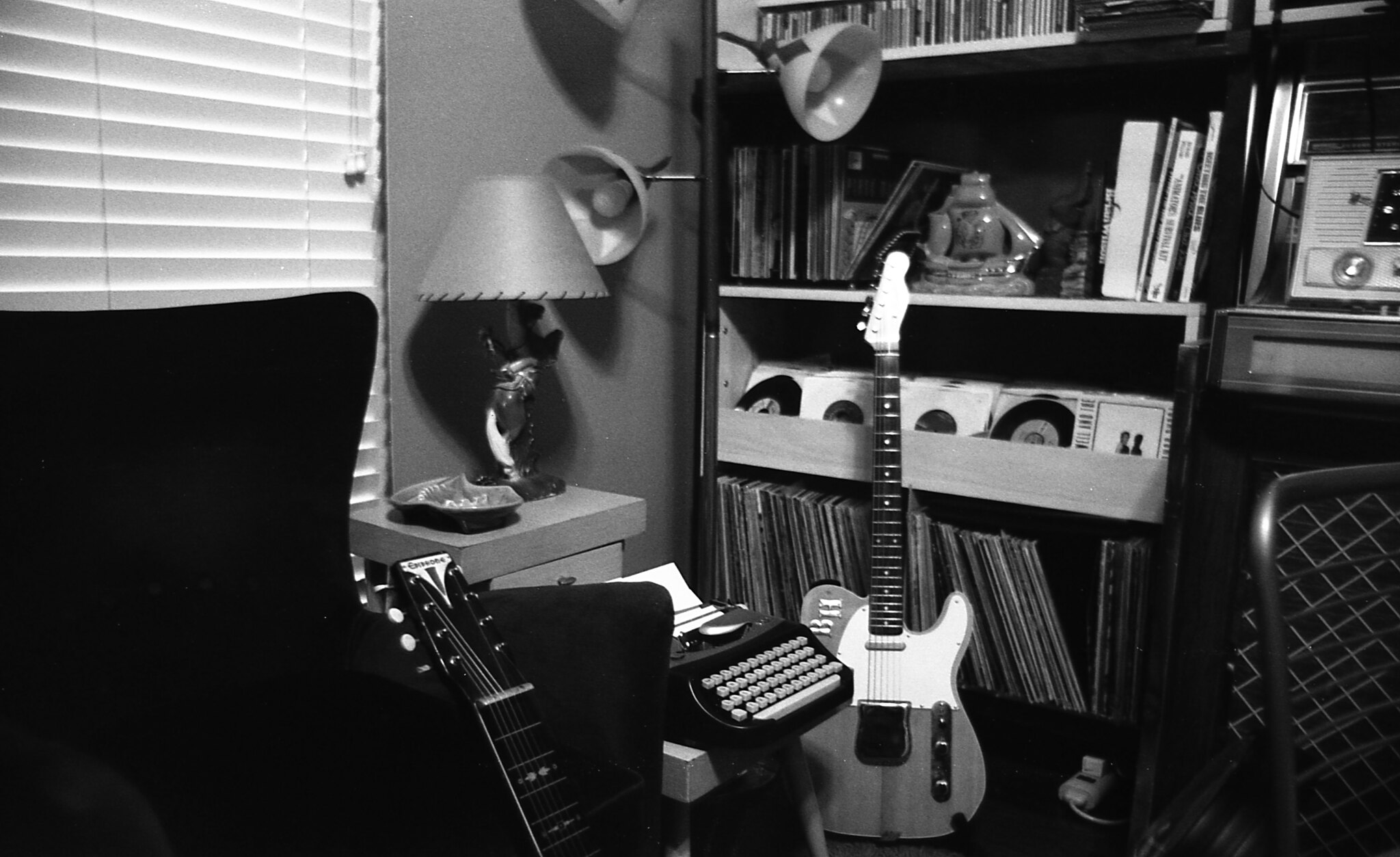
I wish I had more pics to share but most were unusable.


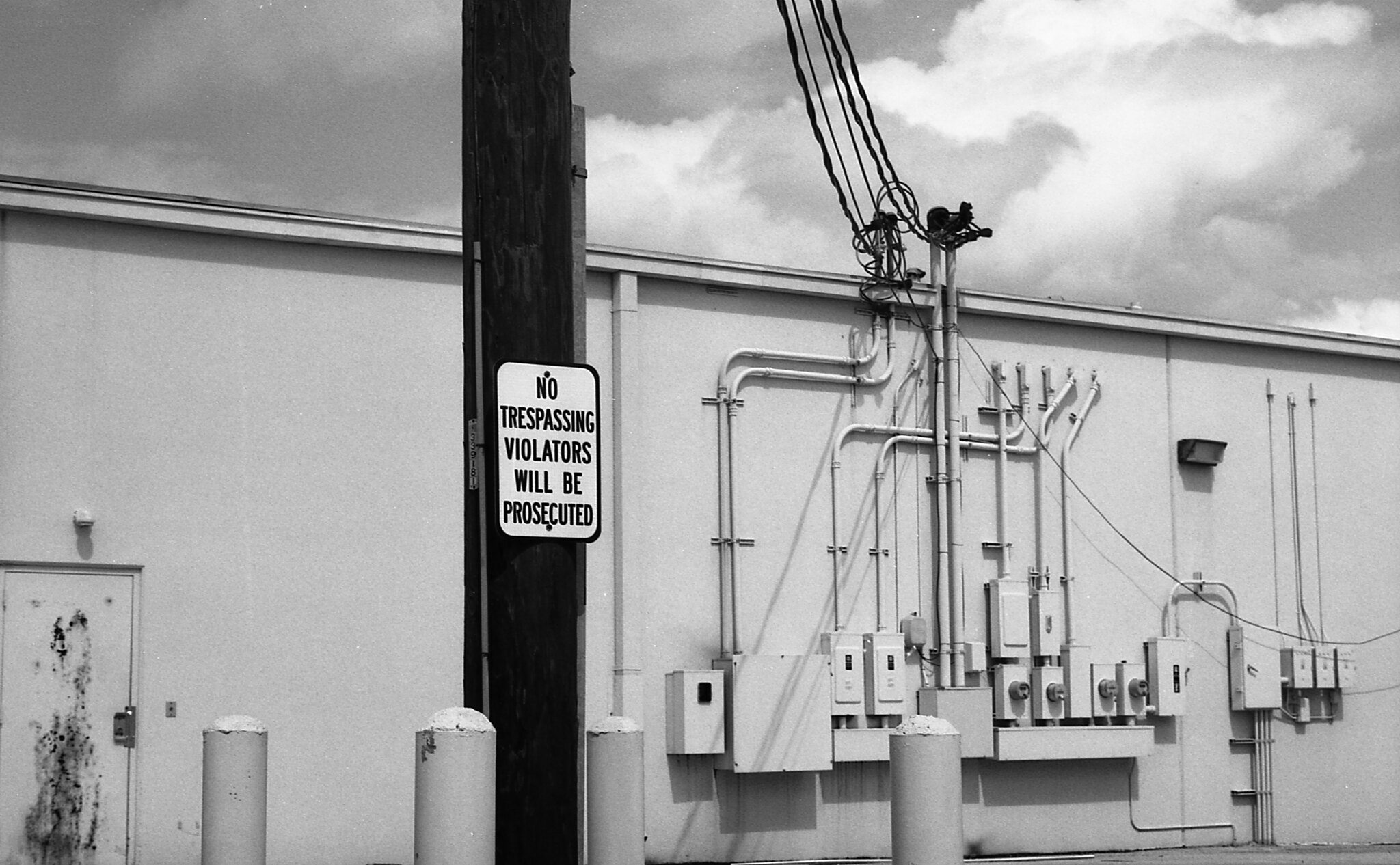
Here's the one that turned out okay.

Petri 1948 Folding Camera

Here's an example of the focus not doing anything. I had this focused on the lawn flamingo at 3'.

Petri 1948 Folding Camera

After this month's bust of a camera, I'm looking forward to using the Ricoh 500G in July.

Film: Fresh Kodak Tri-X 400
Developer: R5 Monobath
Scanner: Epson V550

Next month's camera: Ricoh 500G

Saturday, June 2, 2018

The Olympus XA!

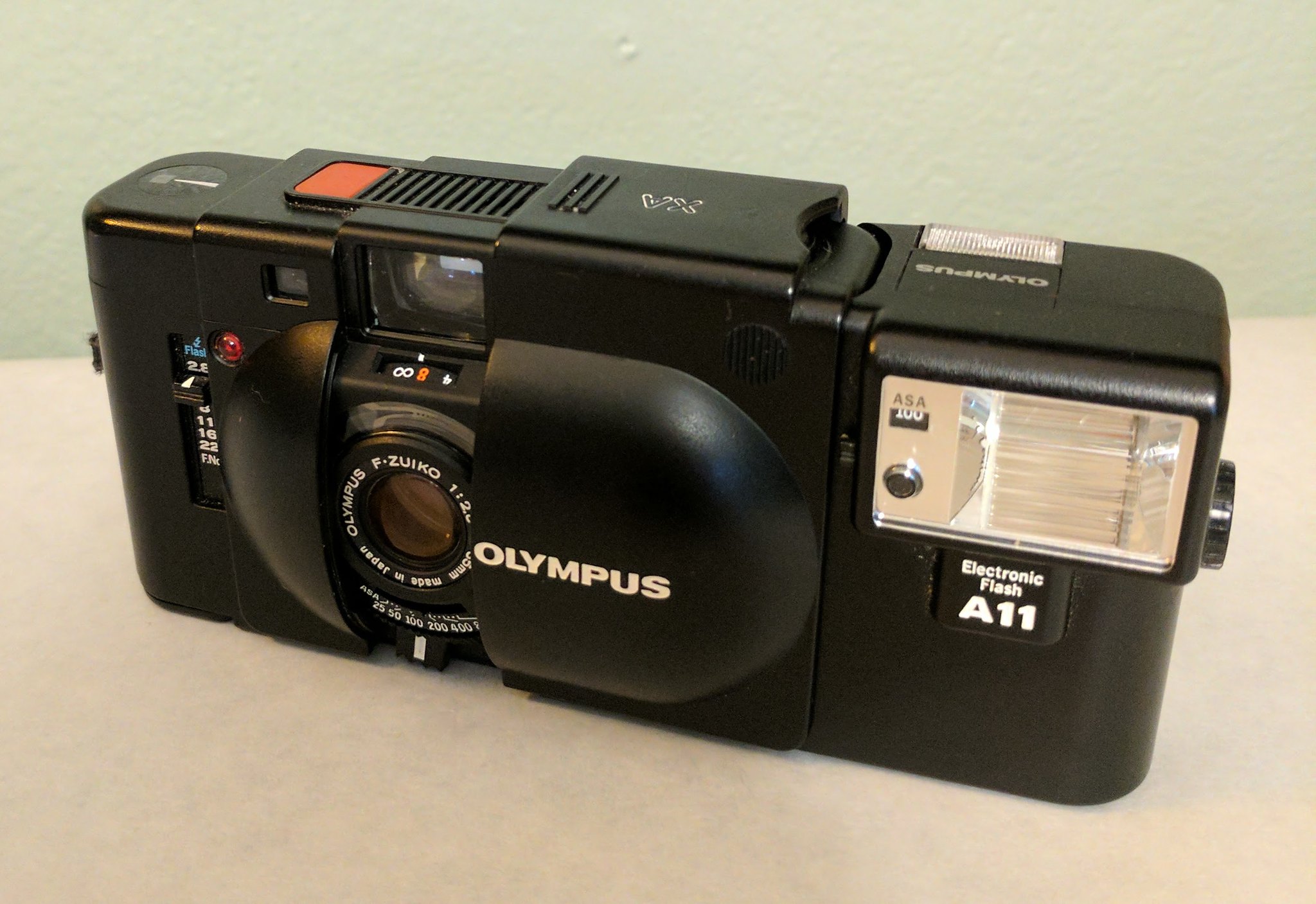
Olympus XA w/A11 Flash

Before I stumbled upon this camera at Goodwill two and a half years ago, I had never heard of it. It wasn't on my radar so I had to do a quick Google search to learn more about it. It is a very compact rangefinder with a clever clam shell cover system. This is one of the few cameras that will fit in your pocket with no issues. For $3.99 (with the attached A11 flash) I couldn't pass it up.

This camera is an aperture priority camera which is a rarity. You select the aperture and the camera will determine the correct shutter speed. There's a shutter speed display in the viewfinder but I didn't know that until recently. (Besides, I'm not sure the reading is accurate in the viewfinder.) The shutter speeds run from 1/500 to about 10 seconds in low light. This is truly an amazing camera that is capable of handling just about any situation you can throw at it.

As with a lot of old cameras, the rangefinder patch is pretty faint on my example. But it's still usable without being frustrating. The focus lever has a very short throw so it's quick and easy to get your focus dialed in.

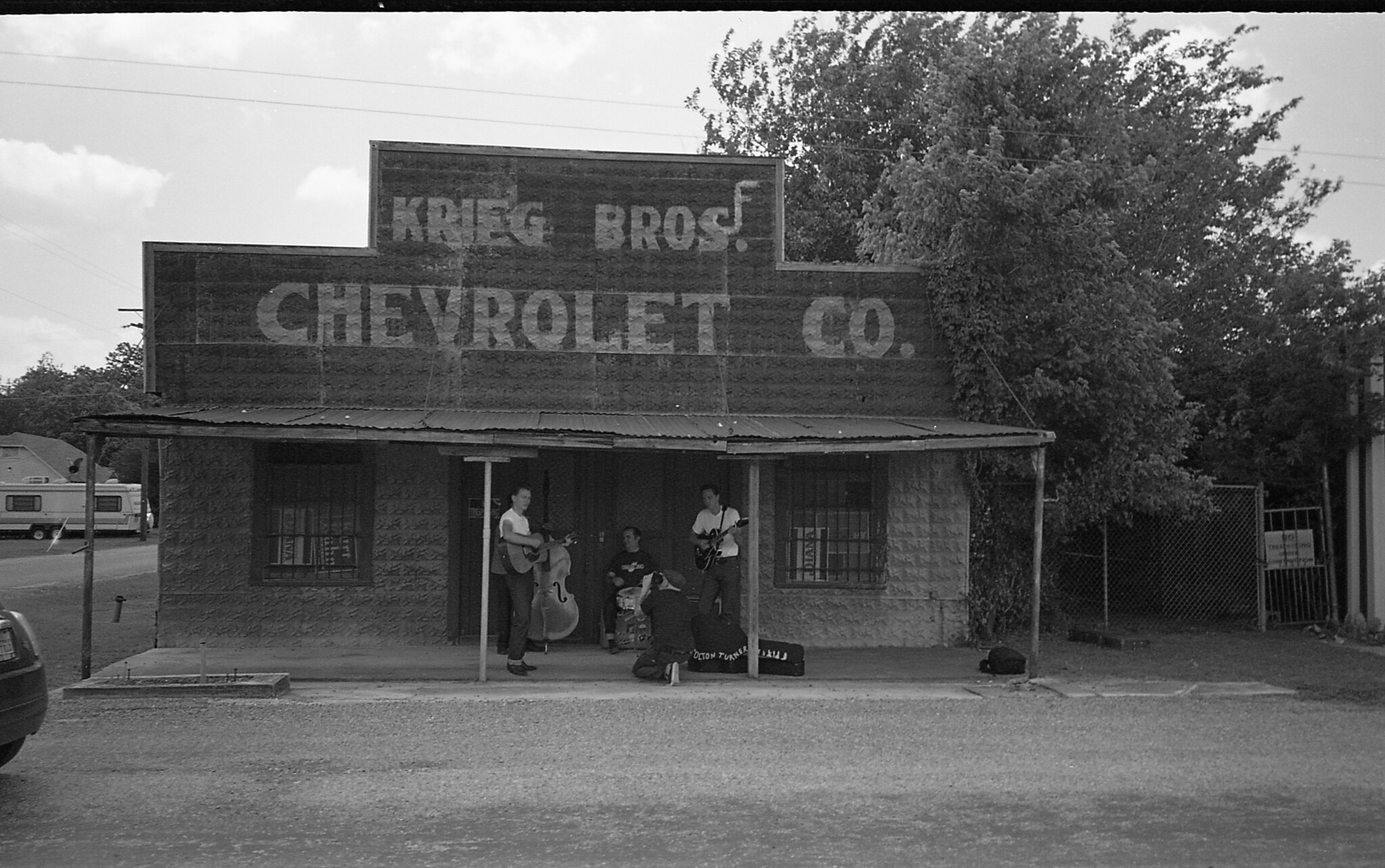
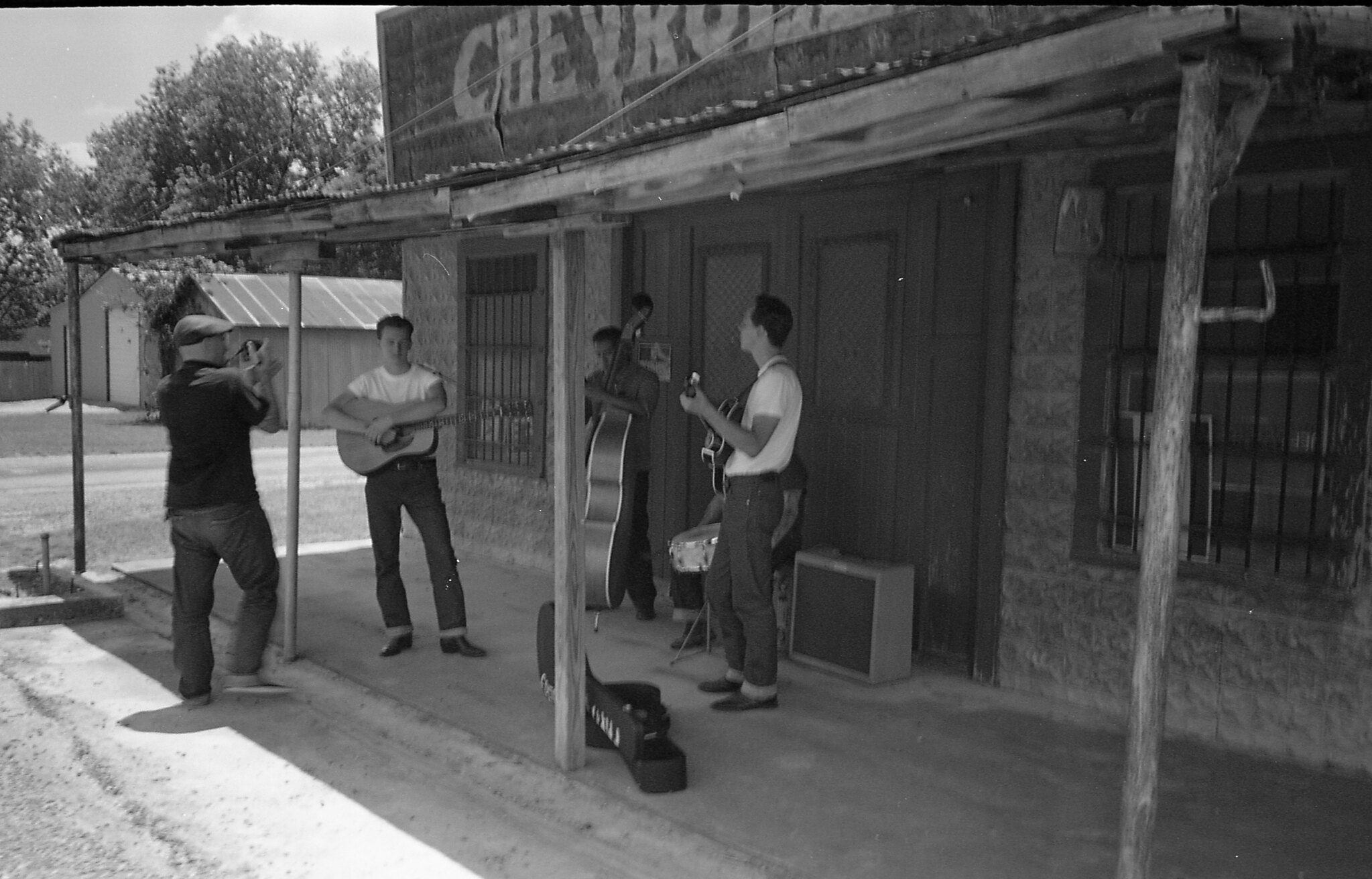
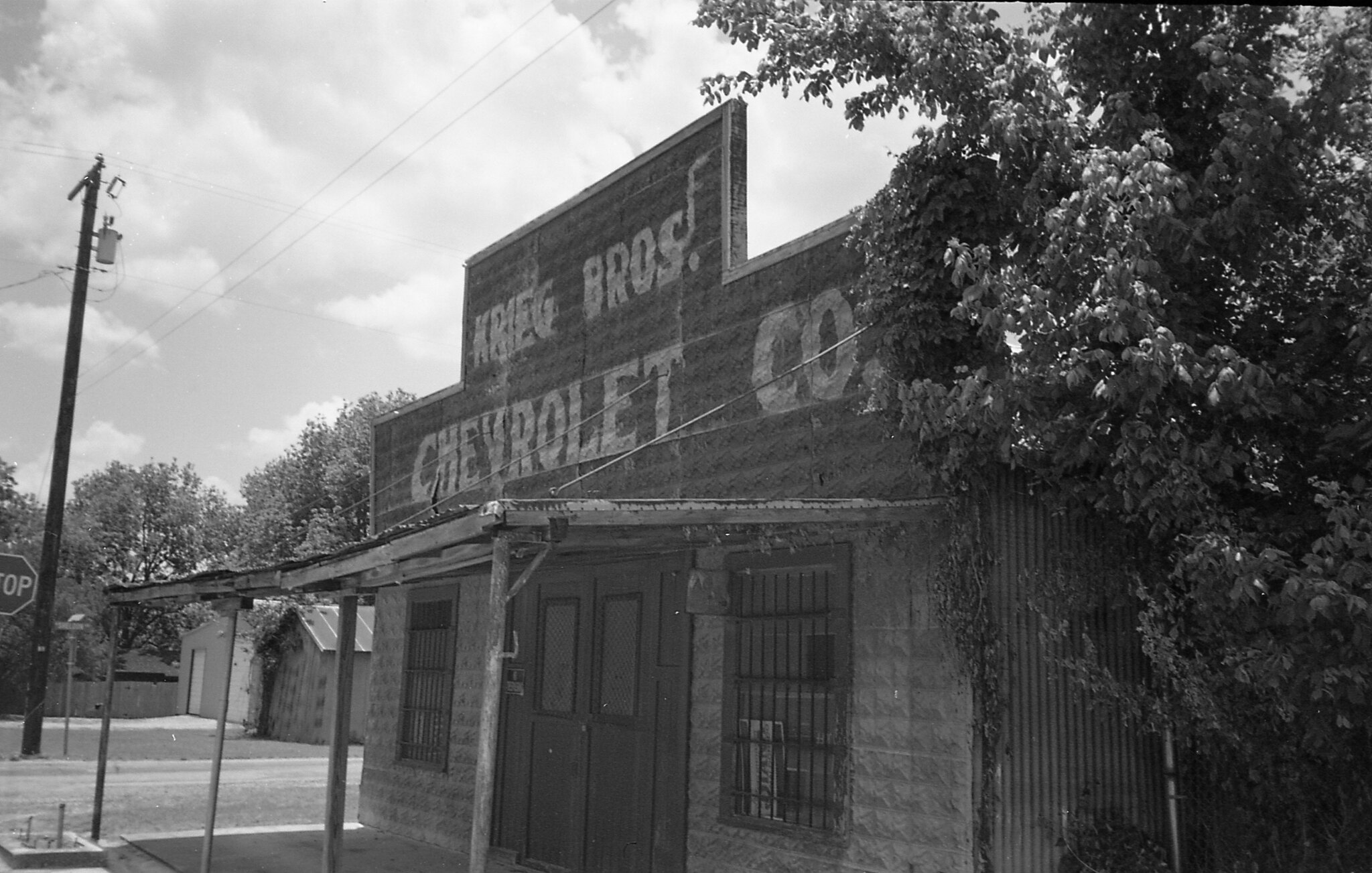
I have used this camera quite a bit over the past few years because of its size, convenience, and performance. If you have the opportunity to pick one up, you definitely should.

Film: Expired Kodak BW400 (C41 processed black and white film)
Developer: Unicolor C41 Kit
Scanner: Epson V550


Next month's camera: Petri 1948 Folding Camera (120 Film)


Olympus XA Rangefinder

Wednesday, May 2, 2018

Konica Autorex SLR Camera

Konica Autorex Half & Full Frame SLR

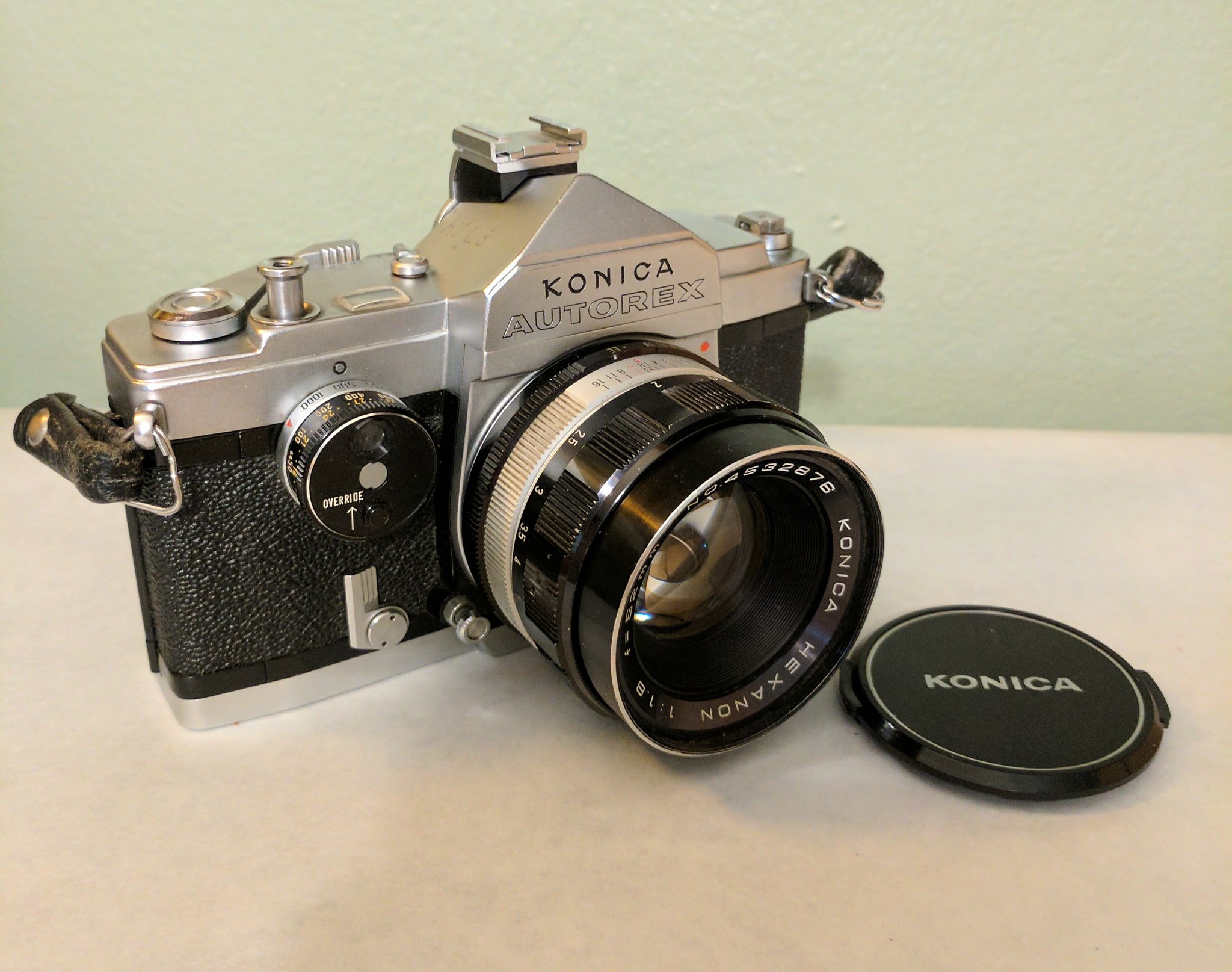
The Konica Autorex is an interesting SLR camera that shoots both full and half frame picutres. I bought two of these--each one had various issues. I sent this one off to be repaired along with a couple of lenses I picked up. The repairs fixed the film advance issue, the light meter connectivity, and the repair guy added in the resistor so I can use modern batteries for the metering.

The Autorex is a well-built SLR and I really like the half or full frame option. There's also a nifty "aperture preview" button near the bottom of the lens. One of the drawbacks of this camera is that the light meter is housed inside the shutter speed dial on the front of the camera so there is no TTL (through the lens) metering. This will only really be an issue if you're using filters.

There are instructions printed on the bottom of the ever ready case for switching between half and full frame. For full to half frame, wind the film them flip the lever. For half to full frame, flip the lever then wind the film. It's nice to have the instructions on the camera so you don't have to remember that.

I used several lenses this month. Unfortunately, I didn't write down which lens I used for which pictures. I used a Konica Hexanon 52mm/1.8, a Konica Hexanon AR 40mm/1.8, a Rexagon Auto MC 28mm/2.8, and a Super Takumar 135mm/3.5 (M42 mount used with a lens adapter).

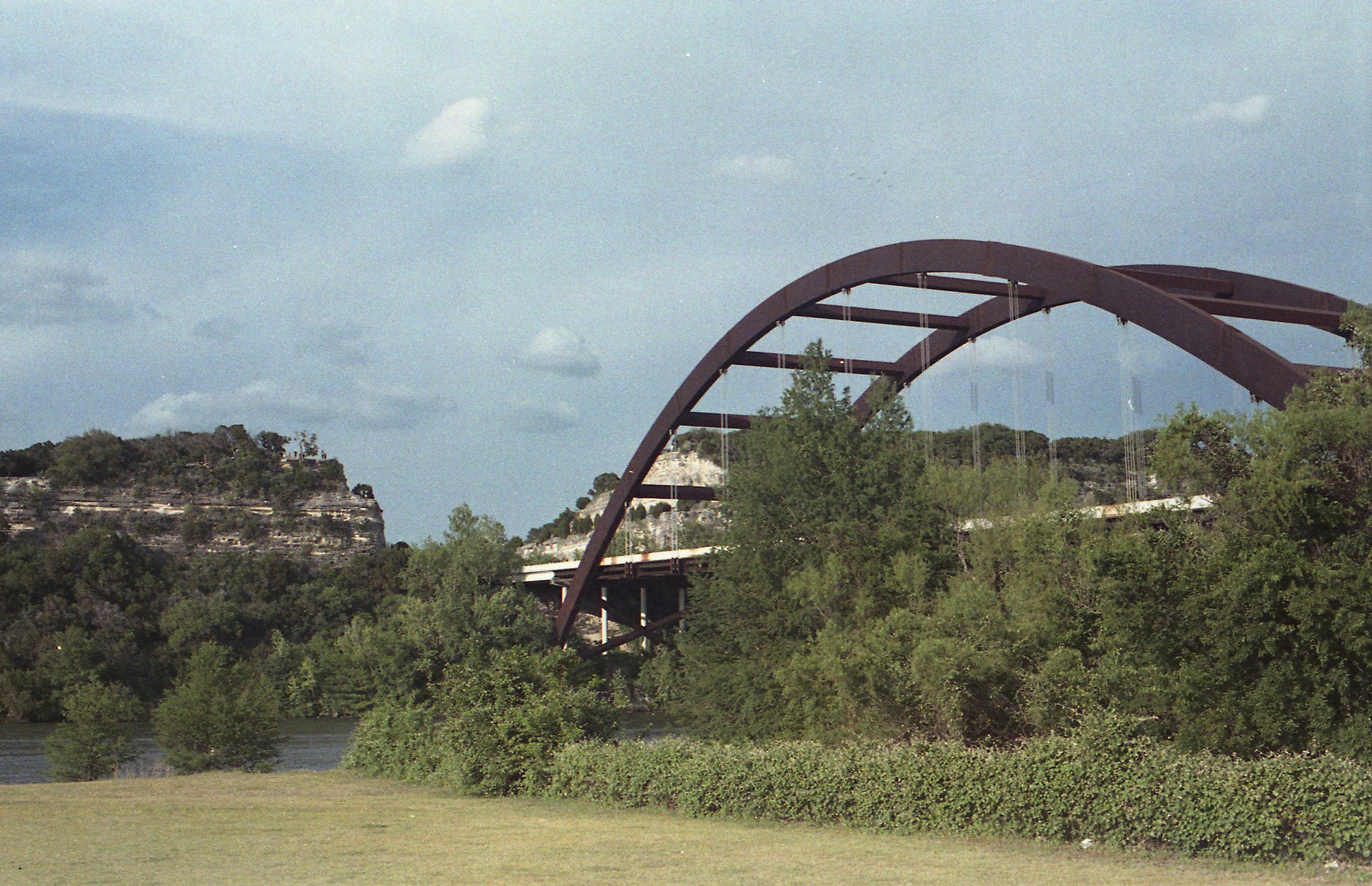
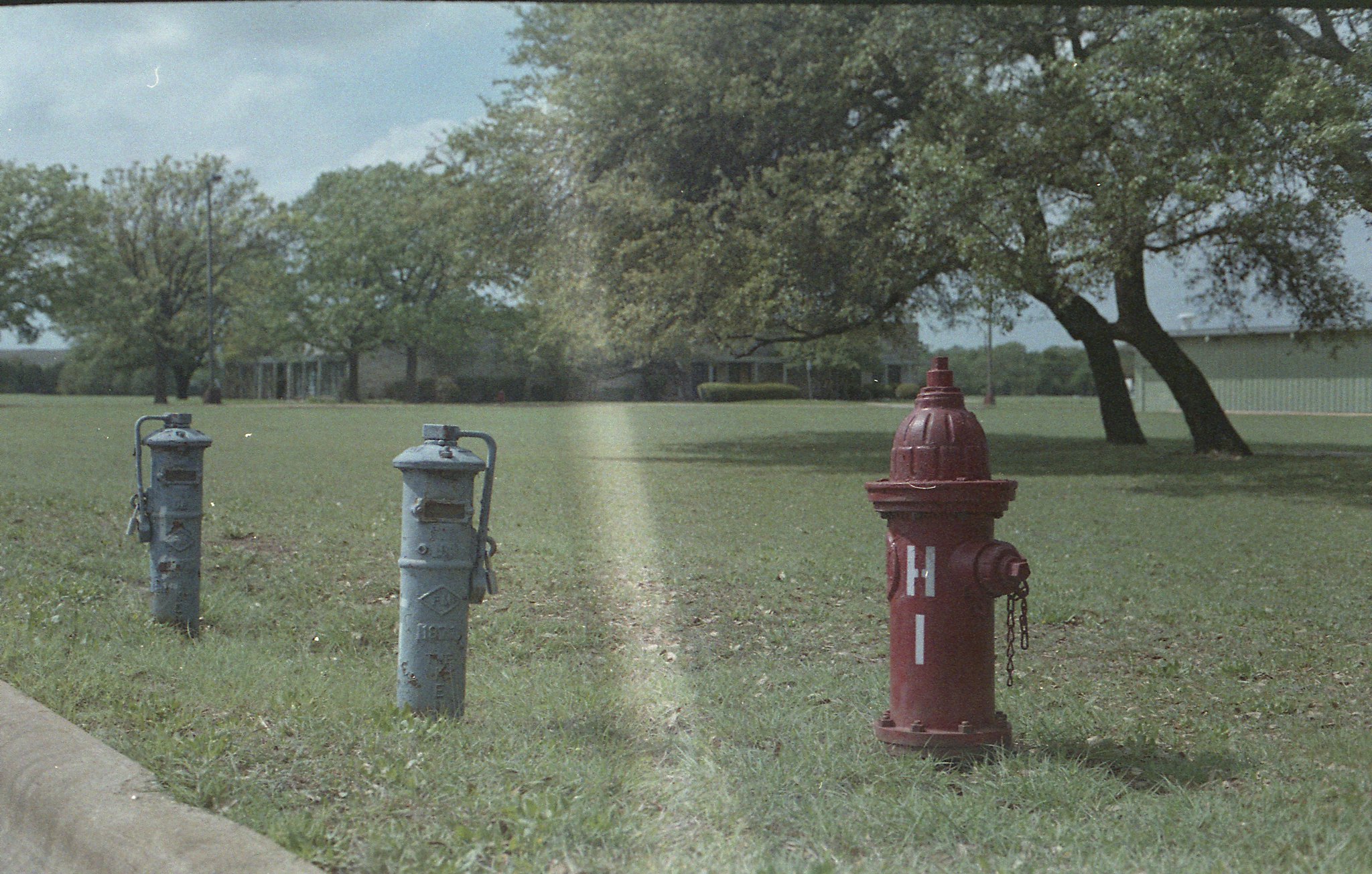
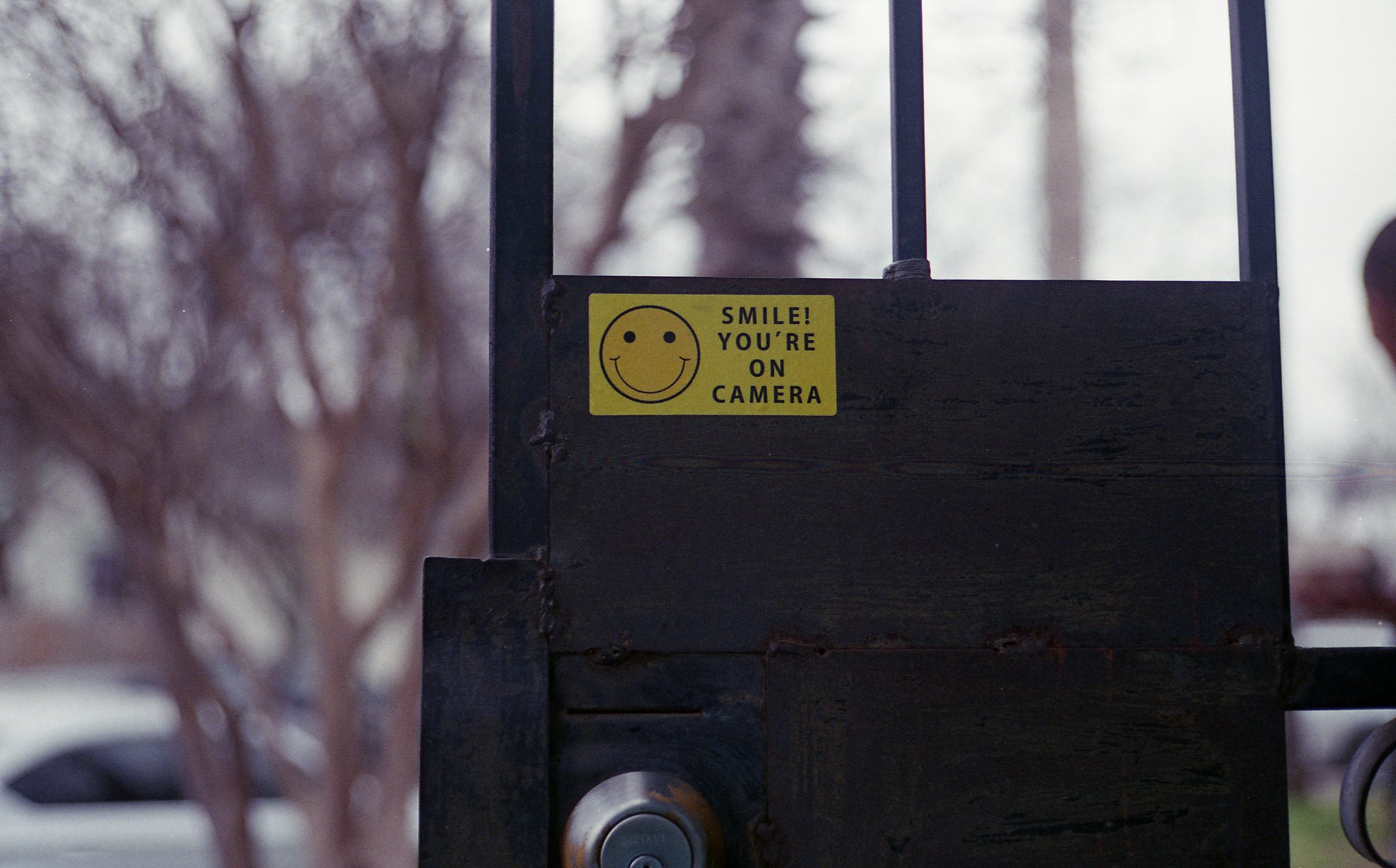
As you can see, the expired film I used (Fujicolor 200 Super HGII) suffered from color shift. In spite of that, some of the shots turned out okay.

Film: Fujicolor 200 Super HGii (expired)
Developer: Unicolor C41 Kit
Scanner: Epson V550

Konica Autorex SLR

Konica Autorex SLR

Konica Autorex SLR

Konica Autorex SLR

Konica Autorex SLR

Konica Autorex SLR

Konica Autorex SLR

Konica Autorex SLR

Konica Autorex SLR

Konica Autorex SLR

Next month's camera: Olympus XA


Monday, April 2, 2018

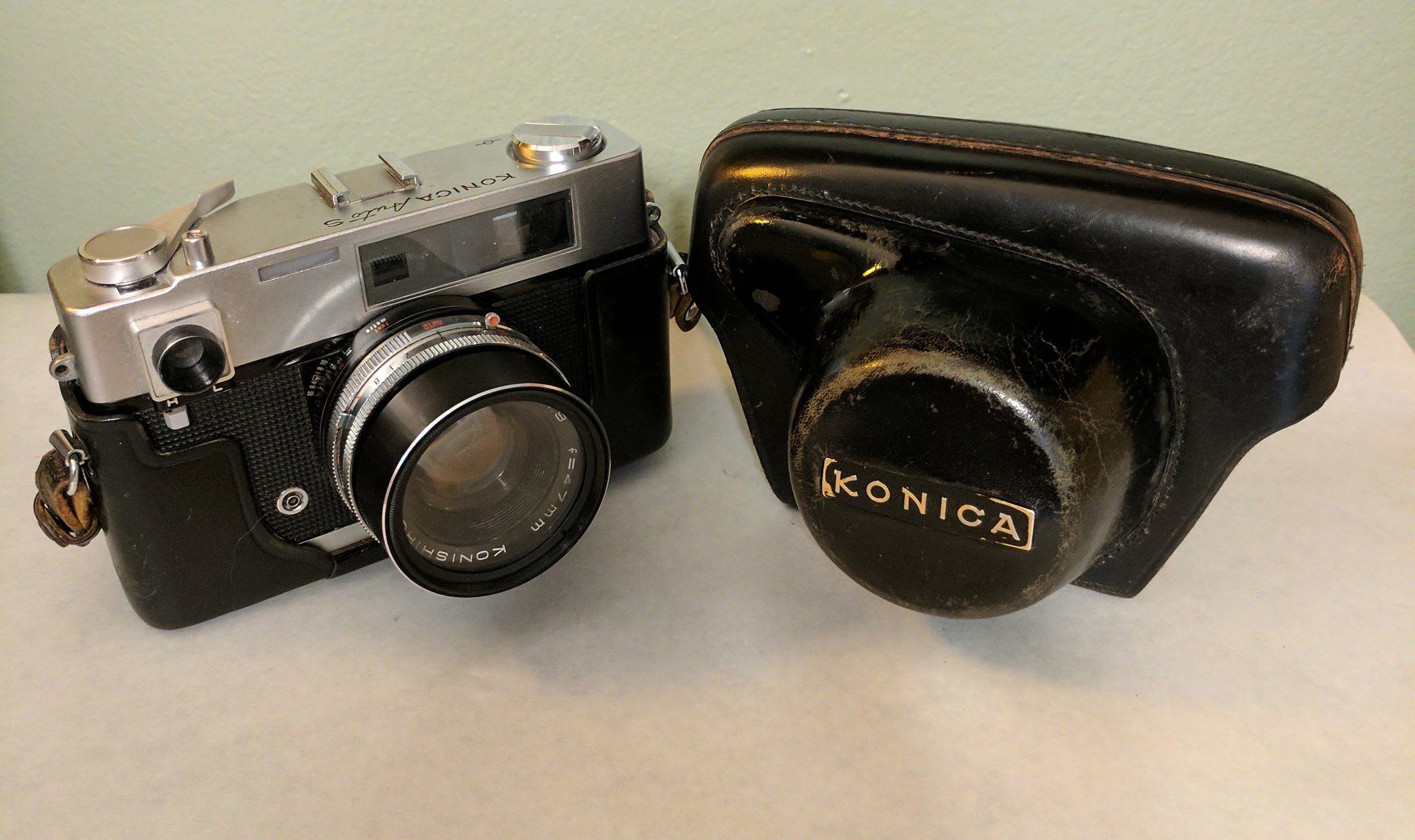
Konica Auto S Rangefinder

Konica Auto S

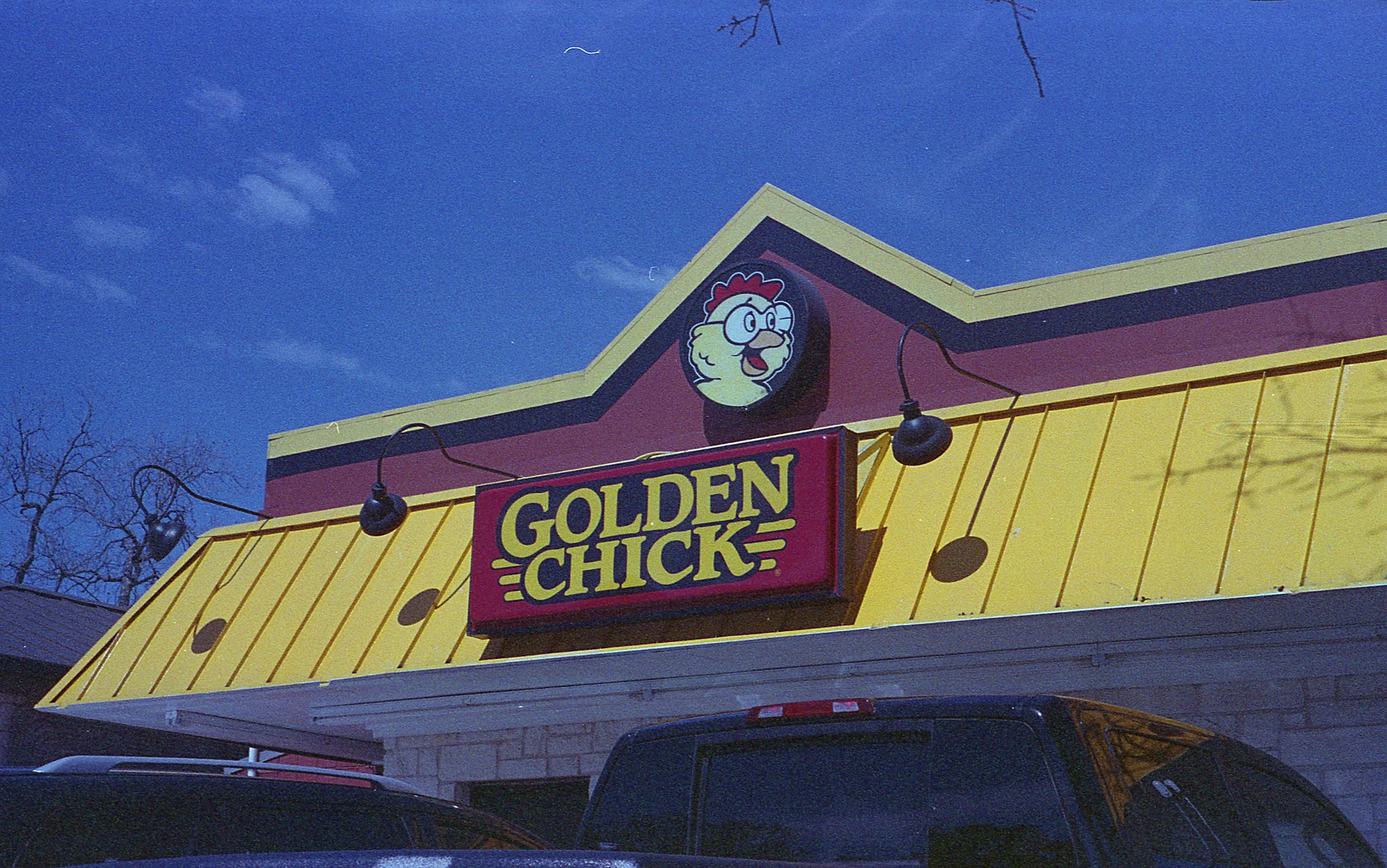
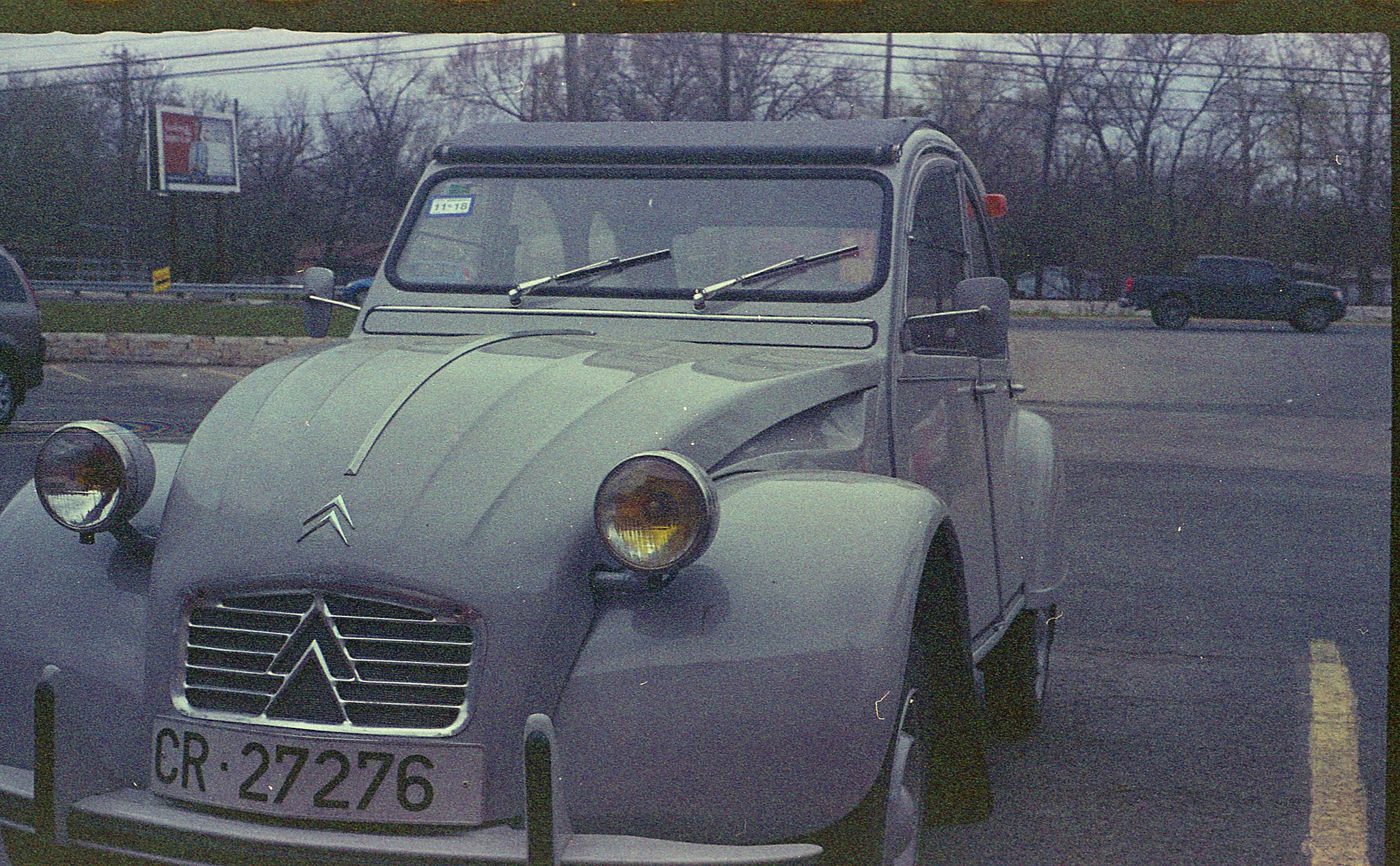
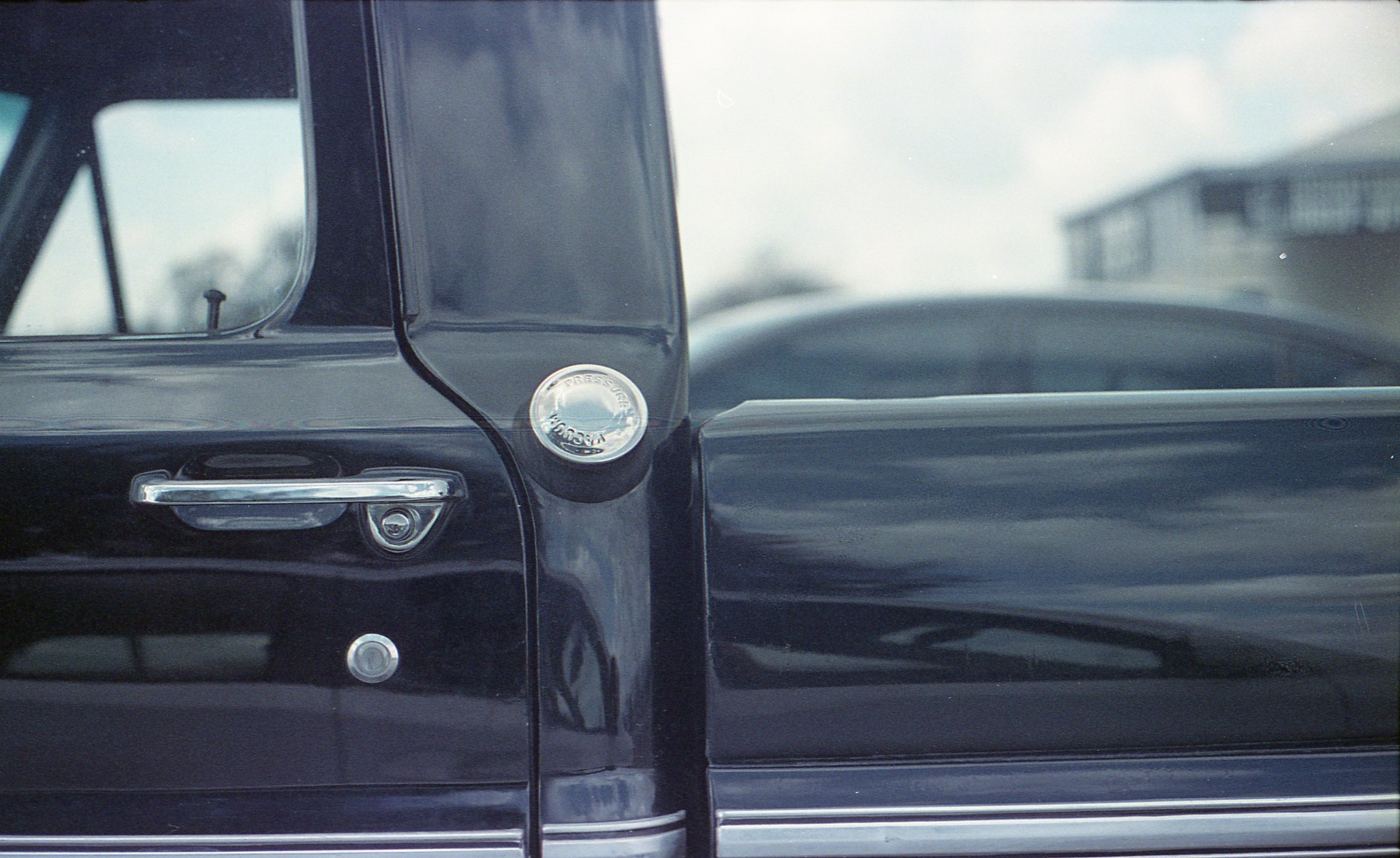
The Konica Auto S was the second camera I bought when getting back into film photography. I settled on this camera because of the examples I found online. The lens is very impressive. I do have to say that the camera and this film roll fought me from start to finish so this month's examples aren't the best but that's the name of the game with old cameras.

The top shutter speed on this camera is 1/500. The Hexanon lens is very capable with a max aperture of 1.8. The battery is only required to operate the meter and auto mode. It can be used as a fully manual camera if desired. I decided to let the camera make the decisions this month--so I used the camera in shutter priority mode.

Overall, I really like this camera when it's working properly. It's easy to focus and the aperture selection is clearly visible in the viewfinder.

Camera: Konica Auto S
Film: Kodak 400 (expired 2009)
Developer: Unicolor C41 Kit
Scanner: Epson V550

Konica Auto S

Konica Auto S

Konica Auto S


Konica Auto S


Konica Auto S


Konica Auto S


Konica Auto S


Konica Auto S

Konica Auto S


Konica Auto S


Next month's camera: Konica Autorex

Thursday, March 1, 2018

GAF L-17 SLR Camera

GAF L-17 SLR

The GAF L-17 is an SLR camera made in Japan by Chinon. This is the first SLR used for this blog!

I picked this camera up for $7 on eBay (without a lens). It's an M42 screw mount so lenses are aplenty. I paid twice as much for the Chinon lens after winning the camera. I bought the 55mm/f1.7 lens because that's what's mounted on the camera in the original manual. I also have a 28mm/f2.8 lens. I like that focal length but it's hard for me to judge the focus on that lens. It's just not as obvious as the focus on the 55mm. I'm sure it has something to do with the fact that I wear glasses. I swapped lenses back and forth throughout the month just for fun.

It wasn't until the end of the month that I went back and read the manual for this camera. There were a couple of features that I wasn't too sure about so I wanted to read up on them. One feature is a slide/switch near the winding lever. This switch disengages the film transport and allows you to use the winder to cock the shutter without advancing the film so you can do a double exposure. There's another button on the other side of the top deck but I figured that one out pretty easily--it's a battery check button. Push it down and look for the green light in the viewfinder.

One thing I read in the manual that I didn't realize is that you can run this camera in manual or auto mode. I used it in manual mode all month but it's nice to know that auto mode is there if you want it. In auto mode, the camera works as a shutter priority camera. The top shutter speed on this camera is 1/1000 of a second.

The light meter is switched on by pressing down on the switch next to the lens. It falls under your right index finger when holding the camera. What I like about this camera is that it disengages the light meter after each picture taken. This is a nice feature that definitely extends the life of the battery as the circuit is disengaged after each shutter release.

As you can see in the picture, my example is missing its self-timer arm. I rarely use the self-timer so this isn't a big deal but maybe I'll hunt one down just to make the camera look nice.

Film: Kodak T-Max 100
Developer: R5 Monobath Developer
Scanner: Epson V550

GAF L-17 SLR
GAF L-17 SLR
GAF L-17 SLR
GAF L-17 SLR
GAF L-17 SLR
GAF L-17 SLR
GAF L-17 SLR
GAF L-17 SLR

Next month's camera: Konica Auto S Rangefinder

Saturday, February 3, 2018

Fujica 35 EE

Fujica 35 EE Rangefinder

I've been interested in the Fujica 35 EE rangefinder for awhile. I was impressed with the quality of the pictures I was seeing online and intrigued by the funky quirks of the camera. But I was never tempted enough to drop the $40 or $50 they are usually listed for on eBay. So I admired them from afar but wasn't tripping over myself to get one.

Then something that never happens to me happened. I was at an antique store one weekend and they had a stash of old cameras. The Fujica caught my eye and I thought "surely that isn't a Fujica 35 EE"--but it was! The camera looked pretty clean but shutter was sticky. But for $12.50 I was willing to give it a shot.

This camera is super easy to work on. I believe there were only a couple of things to remove to get to the shutter. I used a generous amount of naphtha to get it moving. After letting it dry out, I applied graphite to the shutter blades and worked the shutter for a bit. Once I was satisfied that they were up and running, I blew out the excess with a can of compressed air and reassembled the lens.

I've picked this camera up from time to time since I got it to make sure everything was moving as it was supposed to. The shutter showed no signs of sluggishness so I feel good about using this camera.

The camera came in its original, tattered case. I'm always encouraged when I see this because it means that the selenium meter may have been protected over the years and might still work. The needle didn't even hesitate when exposed to light. It started jumping around ready for action. I compared it to the light meter app on my phone and it seems pretty darn accurate.

 Let's talk about the weight of this camera for a minute. Yes, it has quite a bit of heft to it. You could definitely clobber a guy with it if you felt threatened. But there's something reassuring about a nice, solid camera in your hand(s) so don't let the idea of a 2 lbs. camera deter you from picking one up. Unless you're weak. Then maybe you should steer clear of this one and buy a plastic point and shoot.

I like the thumb wheel for adjusting the focus. You can hold the camera steady with two hands while you set your focus. As some users have pointed out, the adjustment moves the bigger image to align with the smaller patch. I didn't really notice it until I read that online. The small patch is stagnant and the full frame moves when focusing. Quirky--but it didn't bother me at all.

The highest ISO supported by this camera is 200. The camera has a full compliment of shutter speeds plus bulb setting with a top speed of 1/1000 of a second! So you're able to use a wider aperture during bright light situations if that's what you're going for.

The camera can be operated in auto mode or full manual. The light meter read out is located on top of the camera. The viewfinder only shows the framing lines, rangefinder patch, and has a dot that will turn red if the exposure isn't correct given the conditions you're shooting under. When you select the auto mode, the shutter release button pops up to let you know you're in auto mode. I don't care for the extra long travel of the shutter release button in auto mode but it was only mildly annoying.

There's a release lever on the front of the camera that must be slid to the side when you want to access slower shutter speeds.

Overall, I think this is a great camera that should serve you well.

Film: Fujicolor 200
Developer: Unicolor C-41 Kit
Scanner: Epson V550
Fujica 35EE

Fujica 35EE

Fujica 35EE

Fujica 35EE

Fujica 35EE

Fujica 35EE

Next month's camera: GAF L-17 SLR Camera
Zeiss Ikon Ikoflex 1b TLR